Whole-Body Vibration
Whole-Body Vibration scored 7.1 / 10 (💪 Strong recommend) on the BioHarmony scale as a Exercise device therapy (vibration platform mechanical oscillation).
Whole-body vibration uses mechanical oscillation to trigger reflex muscle contractions and bone mechanosensing. It scores 7.0–7.5/10 because evidence is strongest for low back pain, older-adult function, cerebral palsy rehab, and modest postmenopausal BMD support, but device class and protocol matter more than the category label.
What is Whole-Body Vibration?
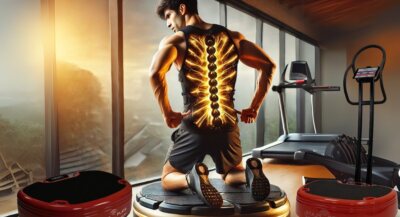
Whole-body vibration is a mechanical training stimulus delivered through a vibrating platform. The platform sends oscillations through the feet, hands, or seated contact point, and the body responds with reflex muscle contractions, balance corrections, circulation changes, and in some protocols, bone mechanosensing. The important nuance: whole-body vibration is not one intervention. Low-magnitude high-frequency platforms, pivotal plates, side-alternating plates, and high-amplitude performance platforms can produce different physiology.
The core mechanisms split by device class. Pivotal and tri-planar platforms mainly use the tonic vibration reflex: rapid muscle-spindle stretch increases involuntary motor-unit firing and makes simple exercises feel harder. LMHF devices use tiny, repeated mechanical signals that are meant to reach osteocytes, the bone cells that sense mechanical loading and regulate bone remodeling through pathways including sclerostin. That is why Fratini et al. 2016 and Marín-Cascales et al. 2018 matter for bone, while Peng et al. 2024 matters more for athletic torque and performance.
The strongest practical uses are postmenopausal bone support on calibrated LMHF platforms, older-adult balance and strength, chronic non-specific low back pain, cerebral palsy rehab under pediatric PT, Parkinson's motor rehab adjuncts, and short performance or recovery blocks. Zafar et al. 2024 supports low back pain, Cai et al. 2023 supports cerebral palsy lower-extremity function, and Arenales Arauz et al. 2022 supports a small Parkinson's signal with balance and stability as the more convincing endpoints. Authority-level caution still matters: Cochrane 2021 found insufficient evidence for firm neurodegenerative-disease conclusions, and the FDA explicitly warns that device registration is not proof of approval, clearance, authorization, or clinical efficacy.
Terminology
For an authority caution cross-reference, see the Cochrane neurodegenerative-disease review.
- WBV: Whole-body vibration. A platform-based mechanical stimulus transmitted through the body.
- LMHF: Low-Magnitude High-Frequency. Usually 30-90 Hz and <=0.5g, used mainly for bone, frailty, and low-load daily standing protocols.
- Pivotal platform: A side-to-side teetering vibration plate. Used mostly for muscle, proprioception, circulation, and performance.
- Tri-planar platform: A platform that moves in multiple planes. Often used in fitness and rehab settings.
- Tonic vibration reflex: A neuromuscular reflex where rapid stretch stimulates muscle spindles and increases involuntary contraction.
- BMD: Bone mineral density, usually measured by DXA.
- DXA: Dual-energy X-ray absorptiometry, the standard scan used to estimate bone density.
- Osteocyte: A bone cell that senses mechanical strain and helps regulate bone remodeling.
- Sclerostin: A protein made by osteocytes that inhibits bone formation; mechanical loading can suppress it.
- UPDRS-III: Unified Parkinson's Disease Rating Scale, Part III, the motor-exam portion used in Parkinson's trials.
- SMD: Standardized mean difference, a meta-analysis effect-size metric used when studies measure related outcomes on different scales.
- BFR: Blood flow restriction training, low-load exercise with cuffs that partially restrict venous return.
- ADGRE2: A gene linked to rare vibratory urticaria, where vibration can trigger itch, hives, or swelling.
- DVT: Deep vein thrombosis, a blood clot in a deep vein. Active DVT is an avoid category for vibration platforms.
How do you take Whole-Body Vibration?
Dosing & Protocols
Dosing information is summarized from published research and community reports. This is not a prescribing guide. Consult a healthcare provider before starting any protocol.
View 4 routes and 6 protocols
Routes & Forms
| Route | Form | Clinical Range | Community Range |
|---|---|---|---|
| LMHF platform | Low-magnitude high-frequency vertical vibration, typically barefoot standing on Marodyne, Juvent-style, or similar clinical platform | 30-90 Hz, <=0.5g; common bone protocols use 30 Hz, roughly 0.3g, 10-20 min daily | 30-40 Hz, 10-20 min daily, often split morning and evening |
| Pivotal or tri-planar platform | Higher-amplitude training plate such as Power Plate or Hypervibe, often used with static holds or dynamic movements | 25-40 Hz, 2-4 mm amplitude, 10-30 min, 3-5x/week | 20-40 Hz, low to moderate intensity, often paired with squats, push-ups, lunges, mobility drills, or BFR cuffs |
| Side-alternating platform | Teeter-totter platform with alternating left-right vertical displacement | 5-30 Hz, low to moderate amplitude, 5-20 min depending on tolerance | 10-25 Hz, 5-15 min for circulation, balance drills, lymphatic movement, and light warm-ups |
| Budget consumer plate | Low-cost home vibration plate sold as fitness equipment | No reliable clinical range unless frequency, amplitude, and acceleration are independently verified under load | $200-600 plates are often used 5-15 min daily, but settings may not reflect actual delivered stimulus |
Protocols
LMHF Bone Protocol Clinical
- Dose
- 30 Hz, roughly 0.3g, 10-20 min standing
- Frequency
- Daily
- Duration
- 6-12+ months; BMD signal usually needs 12-24 months
Use a calibrated LMHF platform. Best fit is postmenopausal osteopenia, frailty, and low-load standing tolerance, not acute performance.
Pivotal Performance Protocol Clinical
- Dose
- 35-40 Hz, 2-4 mm amplitude, 10-30 min using static holds and dynamic movements
- Frequency
- 3-5x/week
- Duration
- Indefinite training adjunct
Use as warm-up, potentiation, balance work, or a short strength-density block. It complements lifting rather than replacing progressive overload.
Parkinson's Adjunct Protocol Clinical
- Dose
- 6-25 Hz, low amplitude, 5-10 min
- Frequency
- 2-3x/week
- Duration
- Ongoing adjunct with reassessment every 4-12 weeks
Start with physical therapist supervision. Watch gait, freezing response, dizziness, and fatigue rather than chasing intensity.
Chronic Low Back Pain Add-On Clinical
- Dose
- Low to moderate amplitude WBV integrated with lumbar stability or supervised exercise
- Frequency
- 2-3x/week
- Duration
- 4-8 weeks before judging response
Best for non-specific chronic low back pain. Avoid during acute disc flare, unstable spine, recent lumbar surgery, or unexplained neurological signs.
Lymphatic AM Protocol Anecdotal
- Dose
- 20-30 Hz, low amplitude, 5-10 min with light bouncing, ankle pumps, and arm swings
- Frequency
- Daily or as needed
- Duration
- Indefinite
Morning circulation and recovery protocol. Optional BFR cuffs should stay low pressure and be skipped in vascular-risk users.
Progressive Safety Ramp Mixed
- Dose
- Start at the lowest intensity and 50% of target duration
- Frequency
- Advance roughly 25% per session if symptom-free
- Duration
- First 4 sessions
Stop and reassess if lumbar pain, dizziness, headache, visual symptoms, unusual itch, hives, or delayed joint pain appears.
Use-Case Specific Dosing
| Use Case | Dose | Notes |
|---|---|---|
How this score is calculated →
What are the benefits of Whole-Body Vibration?
Upside contribution: 2.59
| Dimension | Weight | Band | Visual | Weighted |
|---|---|---|---|---|
| Efficacy | 25% | Moderate | 0.825 | |
| Breadth | 15% | Strong | 0.600 | |
| Evidence | 25% | Strong | 0.925 | |
| Speed | 10% | Strong | 0.360 | |
| Durability | 10% | Limited | 0.230 | |
| Bioindividuality | 15% | Strong | 0.645 | |
| Total | 3.585 | |||
| Baseline offset (constant) | −1.000 | |||
| Effective upside contribution | 2.585 |
Dimensions are shown as a band rather than a decimal because repeat scoring of the same evidence moves a single dimension by up to 1 point. Hover or long-press a band to see the value it was scored at.
Upside Rationale
Whole-body vibration earns its solid BioHarmony standing because of what it does for the people who actually need it: older adults, frail elders, and chronic-pain patients who gain real strength, balance, and bone protection. The mechanism is mechanical loading. Rapid oscillations drive reflex muscle contractions and stimulate bone cells, producing strength, postural, and anti-inflammatory signals that conventional training delivers but that many at-risk users cannot tolerate. Whole-body vibration shines as a real-world geriatric and physical-therapy tool, which is why the score reflects everyday clinical use rather than gym hype. Meta-analyses confirm functional and pain gains in frail nursing-home residents and chronic low-back discomfort, the everyday populations where whole-body vibration consistently delivers. The honest framing is that whole-body vibration is a credible musculoskeletal modality for the right population, not a universal performance shortcut.
Efficacy (Moderate): Whole-body vibration delivers modest, protocol-dependent gains rather than large ones, which places whole-body vibration in the SM-031 small-to-moderate band. Zafar 2024 pooled ten randomized trials and found improvements in pain, disability, balance and proprioception in chronic non-specific low back pain, Peng 2024 pooled eighteen trials showing knee extensor and flexor torque gains, and Sanudo 2024 found modest gait-speed and chair-rise improvement in nursing-home residents over eighty. The bone lane is weaker: Marin-Cascales 2018 and Fratini 2016 found stimulus-dependent lumbar effects, Li 2024 reports only a trend with heterogeneity, and Beom 2026 calls the sarcopenia evidence inconsistent.
Breadth of benefits (Strong): Whole-body vibration reaches several domains that each carry a named meta-analytic endpoint, on the conserved input of mechanical loading. Chronic low back pain has Zafar 2024 and Remer 2025, older-adult balance and mobility has Orr 2015 across twenty trials plus Lam 2012 and Rogan 2017, pediatric cerebral-palsy lower-limb function has Cai 2023 across thirteen trials, athletic torque has Peng 2024, and transfemoral-amputee postural steadiness has Elfeky 2025. Thinner edges include type-two diabetes per Fabregat-Fernandez 2024, Parkinson's per Arenales Arauz 2022, and bone. That is the SM-066 band for multiple domains each carrying a clinical endpoint.
Evidence quality (Strong): Whole-body vibration has solid signal with named gaps, the SM-050 band below the top. Multiple condition-specific systematic reviews of randomized trials cover the core uses, and real-world geriatric and physiotherapy adoption is genuine. Three documented problems hold whole-body vibration at that band's lower half rather than higher. Reviews pool low-magnitude, side-alternating, synchronous and vibration-plus-exercise protocols that are not the same intervention, which the packet names as the central limitation. Cochrane 2021 found evidence insufficient for firm neurodegenerative conclusions. No osteoporosis, USPSTF or NICE body endorses whole-body vibration, and the FDA warns that device registration is not proof of efficacy.
Speed of onset (Strong): Whole-body vibration has a genuine acute pathway alongside a much slower chronic one, which is the SM-066 band that covers exactly that split. Circulation, alertness, muscle activation and acute potentiation appear within a single session, and the packet records first noticeable effect at one day. The chronic endpoints take real time: pain and balance typically need four to eight weeks, strength and mobility four to twelve, sarcopenia markers twelve to sixteen, and bone density six to twenty-four months. Whole-body vibration therefore feels productive immediately while the outcomes its core users are actually chasing arrive on an exercise-adaptation timescale.
Durability (Limited): Whole-body vibration benefit requires continued loading, which the packet states directly: stop and the acute circulation, muscle-activation and proprioceptive gains fade like any detraining stimulus. The SM-066 ladder asks what survives after use stops, and for whole-body vibration that is only the accrued strength, balance and bone adaptation built over months, which detrains over a comparable span rather than disappearing in days. Whole-body vibration therefore sits near the top of the band where benefit needs continued use and is gone within months, rather than in the partial-persistence band, because nothing in the packet demonstrates a season of retained benefit.
Bioindividuality (Strong): Whole-body vibration has an unusually clean responder predictor that a reader can apply before buying a platform, which the SM-067 ladder rewards. Strong responders are postmenopausal osteopenic women, frail or sarcopenic elders, Parkinson's and cerebral-palsy patients, and chronic low back pain or rehabilitation populations who cannot tolerate conventional loading. Healthy young athletes get acute potentiation and little long-term marginal gain. Whole-body vibration stays just below the top band because device tolerance varies independently of that predictor: vestibular sensitivity, spinal history, osteoporosis severity, itch response and balance confidence all change whether a given person can use the protocol.
What are the risks & downsides of Whole-Body Vibration?
Downside contribution: 0.91 (safety risks weighted extra)
| Dimension | Weight | Band | Visual | Weighted |
|---|---|---|---|---|
| Safety | 30% | Low | 0.570 | |
| Side effects | 15% | Low | 0.300 | |
| Cost premium | 5% | High | 0.180 | |
| Effort | 5% | Moderate | 0.130 | |
| Opportunity | 5% | Low | 0.110 | |
| Dependency | 15% | Negligible | 0.165 | |
| Reversibility | 25% | Negligible | 0.275 | |
| Total | 1.730 | |||
| Harm subtotal × 1.4 | 1.834 | |||
| Opportunity subtotal × 1.0 | 0.420 | |||
| Combined downside | 2.254 | |||
| Baseline offset (constant) | −1.340 | |||
| Effective downside penalty | 0.914 |
Dimensions are shown as a band rather than a decimal because repeat scoring of the same evidence moves a single dimension by up to 1 point. Hover or long-press a band to see the value it was scored at.
Cost premium: premium over the cheapest legitimate route, not price.
Downside Rationale
Whole-body vibration carries real trade-offs that temper an otherwise strong musculoskeletal profile, and they cluster in cost, effort, and a narrow set of safety exclusions rather than in any deep danger. The headline downside is that whole-body vibration is a keep-using-it modality: stop loading and the acute circulation, muscle-activation, and proprioceptive benefits fade like any detraining stimulus. Credible calibrated platforms are expensive, and cheap units can drift in frequency, undercutting both efficacy and safety. Protocols also demand consistency, often daily ten-to-twenty-minute sessions over months. None of this involves dependency, irreversibility, or invasive risk, so the genuine cautions are practical and population-specific, anchored by protocol heterogeneity noted in Li et al. 2024 and Beom et al. 2026.
Safety (Low): Whole-body vibration carries real risks that are narrow or extrinsic, which is the SM-066 band anchored by metformin and glutathione. The hard stops are populations rather than molecular toxicity: pregnancy, active deep-vein thrombosis, acute fracture and confirmed vibratory urticaria, the last being a rare genetic susceptibility tied to an ADGRE2 missense variant in Boyden 2016. Pacemaker carriers, severe osteoporosis with compression-fracture history, recent lumbar disc surgery, retinal-detachment risk and vestibular disorders are relative and screenable. Cheap-device frequency drift is extrinsic under SM-055 and belongs in a sourcing caveat. Occupational seated-vibration data should not be mapped onto short standing protocols, and a human safety record exists.
Side effects (Low): Whole-body vibration produces common but self-limiting complaints in a meaningful minority, which is the SM-067 band for the gut-cluster equivalent. Mueller 2019 documents vibration-induced itch and erythema without a pruritogen, and the packet adds warmth, redness, muscle soreness, transient dizziness and occasional low back irritation. Platform class matters, since side-alternating and higher-amplitude plates provoke skin and vestibular symptoms more than gentle low-magnitude protocols. Mitigation is procedural for whole-body vibration: start at low intensity, halve the first session, keep knees soft, avoid a locked spine. SM-022 keeps the rare urticaria-angioedema risk in Safety and out of this dimension.
Cost premium (High): Whole-body vibration requires capital equipment costing thousands through the accessible legitimate channel, which is the SM-066 band that also holds proprietary subscriptions with cheaper equivalents. Power Plate Move and comparable pivotal units run roughly three to six thousand dollars, and Marodyne LivMD and Juvent-style low-magnitude bone platforms sit near three to four thousand, amortising to fifty to one hundred dollars a month over five years. Budget plates at two to six hundred dollars exist but the packet states they are not equivalent, because frequency stability under real body load is the property that matters and cheap units drift. The cheap route does not deliver the same exposure.
Effort (Moderate): Whole-body vibration sits at the low edge of the SM-067 band covering fifteen to forty-five minutes most days. Low-magnitude bone protocols run ten to twenty minutes of standing daily for six to twelve months or longer, and pivotal performance or rehabilitation protocols run ten to thirty minutes two to five times weekly with movement selection and progression. The sessions themselves are passive standing or seated work, and whole-body vibration stacks neatly into warm-ups, mobility work or a morning routine. The burden is sustained consistency across months rather than intensity in any one session.
Opportunity cost (Low): Whole-body vibration competes against better-evidenced options for the same goals, which is the SM-067 band where a concrete alternative exists in the same category. The packet names the trap plainly: using whole-body vibration instead of progressive overload, walking, protein adequacy, balance training and guideline osteoporosis care. Those alternatives carry stronger endorsement than whole-body vibration does, since no osteoporosis society, USPSTF or NICE body endorses it. The score is held down rather than higher because whole-body vibration genuinely stacks with resistance training, physiotherapy, blood-flow-restriction work and cardio, and for frail users can make safe movement possible at all.
Dependency (Negligible): Whole-body vibration creates no craving, no tolerance, no receptor downregulation and no withdrawal syndrome, placing whole-body vibration in the SM-066 dependency floor band alongside most of the corpus. Stopping produces ordinary detraining: adaptations that depended on the mechanical input gradually recede, with no rebound below baseline. The ladder is explicit that a benefit fading on cessation belongs to Durability and never to this dimension, so that detraining does not raise the score for whole-body vibration. A user can stop immediately, switch device class, or substitute conventional resistance training, walking or physiotherapy for the same stimulus without any physiological cost.
Reversibility (Negligible): Whole-body vibration clears completely because whole-body vibration is a non-invasive mechanical stimulus with no implant, drug, injection or permanent tissue change involved. That is the SM-067 floor band for full clearance with no named exception. Side effects such as itch, soreness or dizziness resolve by stopping, reducing dose or switching platform type, and the longer-term strength, balance, pain and bone changes are ordinary training adaptations rather than irreversible alterations. SM-046 routes the loss of those adaptations to Durability. The one durable-harm candidate, vertebral injury from aggressive spinal loading in severe osteoporosis, is contraindicated-population misuse routed away by SM-062.
Is Whole-Body Vibration worth it?
Whole-Body Vibration is a low-impact modality that can modestly improve bone density, reduce chronic low-back pain, and enhance balance in older adults when applied in calibrated sessions of 20-30 minutes, three times per week. The evidence supports measurable benefits for postmenopausal women using low-magnitude, high-frequency protocolsLi et al. 2024, and for frail elders who need a safe stimulus to maintain muscle tone and proprioception. Trials report pain relief and functional gains in chronic low-back pain sufferersZafar et al. 2024, while meta-analyses show mixed but promising effects on osteoporosis markers and sarcopenia outcomesLi et al. 2024. Responders typically combine vibration with supervised physiotherapy and avoid excessive loads that exceed device specifications. The evidence base is strongest for bone-joint health, geriatric function, and chronic-pain management, making Whole-Body Vibration a worthwhile trial for those populations.
✅ Best for: Postmenopausal or osteopenic women using calibrated LMHF daily for bone support; frail or sarcopenic elders using supervised vibration for balance, mobility, and fall-risk support; chronic non-specific low back pain patients adding WBV to PT per Zafar et al. 2024; cerebral palsy children under pediatric PT per Cai et al. 2023; Parkinson's patients using it as an adjunct, not a replacement for medication or rehab; lifters stacking pivotal WBV with BFR or warm-ups; travelers needing a compact minimum-effective movement stimulus.
❌ Avoid if: Pregnant, active DVT, acute fracture, confirmed vibratory urticaria, unstable spine, unexplained neurological symptoms, or recent lumbar disc surgery. Use medical supervision with pacemaker/ICD, severe osteoporosis with vertebral compression history, high-myopia retinal risk, retinal detachment history, vestibular disorders, or high fall risk. Avoid cheap plates for daily bone protocols unless frequency and acceleration are validated under load. Avoid whole-body vibration if you expect guideline-level treatment for osteoporosis, Parkinson's disease, diabetes, depression, or neurological disease; authority reviews remain cautious.
What is Whole-Body Vibration best for?
The overall BioHarmony score reflects the intervention's primary evidence profile. These subratings are independent assessments per use case.
Bone / Joint Health: 7.5/10
Score: 7.5/10Whole-Body Vibration appears to support bone health primarily in populations with low baseline density, where low-frequency, low-magnitude protocols have produced small increases in lumbar spine and femoral neck BMD. The evidence tier remains Level II, reflecting a handful of randomized trials and meta-analyses that show benefit but also note considerable heterogeneity in vibration parameters. Whole-Body Vibration does not consistently improve joint function across all groups; a large null trial in otherwise healthy adults failed to show cartilage or pain changes. Overall, the data suggest a targeted, protocol-specific role for Whole-Body Vibration in supporting bone-joint health, especially among older, osteopenic individuals.
Geriatric / Aging Population: 8.0/10
Score: 8.0/10Whole-Body Vibration may help preserve functional mobility in this population by stimulating muscle spindles and enhancing neuromuscular activation, mechanisms that support balance and gait. Evidence from randomized trials shows modest improvements in gait speed and chair-rise performance, though effect sizes vary with protocol intensity. The anti-inflammatory signal observed in broader meta-analyses appears less consistent in very old adults, placing the overall evidence at a moderate tier. Accordingly, Whole-Body Vibration remains a plausible adjunct for geriatric frailty, but expectations should be tempered.
Chronic Pain Management: 7.5/10
Score: 7.5/10Whole-Body Vibration appears to modulate spinal muscle activation and improve proprioceptive feedback, mechanisms that can alleviate non-specific low back discomfort. The evidence tier for this indication is moderate, because most trials are small and protocol parameters vary widely. Responders in the cited studies noted better balance and reduced analgesic use, but benefits were not universal. Whole-Body Vibration should be considered as an adjunct to conventional therapy rather than a standalone cure for chronic-pain.
Strength / Power: 6.5/10
Score: 6.5/10Whole-Body Vibration can serve as an adjunct to conventional resistance training, offering acute potentiation of muscle output without replacing a full strength program. Peng et al. 2024 reports modest improvements in concentric knee extensor and flexor torque across 18 randomized trials, placing the evidence at a moderate tier of controlled studies. Responders note a perceivable boost in power output during subsequent lifts, but gains are limited to specific joint actions and require consistent protocol timing. Overall, Whole-Body Vibration supports strength-power goals as a supplemental tool rather than a standalone solution.
Recovery / Repair: 7.0/10
Score: 7.0/10Whole-Body Vibration is thought to enhance blood flow and stimulate neuromuscular fibers, which can support tissue turnover after strenuous activity. Some studies also report reduced inflammatory markers, although the effect varies by protocol and population Wang 2024. The evidence tier is moderate; performance outcomes are better documented than pure recovery metrics. Users should therefore view Whole-Body Vibration as a supplementary tool for recovery-repair rather than a primary therapy.
Lymphatic / Drainage: 7.5/10
Score: 7.5/10Whole-Body Vibration creates rhythmic muscle contractions that compress nearby vessels, encouraging lymph flow through mechanical pumping. The physiological rationale is supported by preclinical models showing enhanced lymphatic transport after vibration exposure. Human trials directly measuring lymph drainage are scarce, placing the evidence at a Tier 3 level (mechanistic with limited clinical confirmation). Nonetheless, users report feeling less swelling after regular sessions, aligning with the proposed mechanism. Whole-Body Vibration therefore offers a plausible, though not definitively proven, approach to supporting lymphatic function.
Healthspan: 7.0/10
Score: 7.0/10Whole-Body Vibration also shows potential anti-inflammatory effects, though the direction varies by endpoint, as noted in a recent meta-analysis of preclinical and clinical studies Wang 2024. Evidence for sarcopenia improvement remains inconsistent, with systematic reviews highlighting mixed results in older cohorts Beom 2026. Nevertheless, several trials report enhanced postural steadiness and reduced fall risk in very old nursing-home residents, supporting the relevance of Whole-Body Vibration for healthspan maintenance Sanudo 2024.
Neuroprotection: 7.0/10
Score: 7.0/10Whole-Body Vibration may influence neural health through anti-inflammatory pathways, but meta-analysis of preclinical and clinical studies shows mixed results and endpoint-dependent effects Wang 2024. Small trials suggest improved balance and motor stability, which could translate to neuroprotective benefits, yet the evidence remains tier II and inconsistent. Whole-Body Vibration therefore receives a moderate rating for the neuroprotection use case, acknowledging potential but limited support.
Pediatric Use: 7.0/10
Score: 7.0/10Whole-Body Vibration is being explored for rehabilitation of motor deficits in this population, but the evidence base remains limited to small randomized trials and short-term outcomes. Reported improvements focus on lower-extremity strength and gait efficiency, yet long-term safety and optimal dosing are not well defined. Consequently, the evidence tier is moderate, and further large-scale, blinded studies are needed before broader clinical adoption.
Injury Recovery: 7.0/10
Score: 7.0/10Whole-Body Vibration shows tier-2 evidence for reducing inflammation after tissue damage, but effects depend on frequency and session length, as noted in a recent review Wang 2024. Protocols differ widely, so professional supervision is advised to match vibration parameters to the specific injury phase. Reported benefits include improved proprioception and modest pain relief in post-surgical patients, yet the overall data remain heterogeneous. Users should monitor joint stress and adjust load gradually.
Flexibility / Mobility: 7.0/10
Score: 7.0/10Whole-Body Vibration has repeatedly improved balance, joint range of motion, and gait speed in older adults, especially when protocols include low-frequency (20-30 Hz) sessions lasting 10-15 minutes. Meta-analyses of nursing-home residents report modest gains in functional mobility without serious adverse events (Sanudo et al. 2024). Athletes also show increased knee extensor torque after vibration training, suggesting a mechanistic link to muscle-spindle activation (Peng et al. 2024). However, heterogeneity in dose and population limits the certainty of these findings, placing the evidence at a Tier 2 level.
Longevity / Lifespan: 6.5/10
Score: 6.5/10Whole-Body Vibration may influence longevity indirectly by mitigating sarcopenia, improving balance, and reducing fall risk, pathways linked to mortality in aging populations. Systematic reviews report mixed effects on muscle loss in seniors, noting inconsistency across protocols (Beom et al. 2026). Improvements in physical function among nursing-home residents over 80 further suggest a role for Whole-Body Vibration in frailty reduction (Sanudo et al. 2024). While anti-inflammatory signals appear protocol-dependent (Wang et al. 2024), the overall tier of evidence remains moderate, and claims of lifespan extension remain speculative.
Reaction Time / Coordination: 6.5/10
Score: 6.5/10Whole-Body Vibration aims to improve reaction-time by brief high-frequency mechanical stimulation that primes neuromuscular pathways. Acute studies show faster knee-extensor torque after single bouts, suggesting enhanced motor unit recruitment that could translate to quicker responses. However, most trials focus on strength outcomes, and direct reaction-time measures are scarce. The tier of evidence remains Level II, limited to randomized controlled trials in trained populations.
Metabolic Health: 6.0/10
Score: 6.0/10Pooled diabetes data show modest but inconsistent glycemic improvements Fabregat-Fernandez 2024. Whole-Body Vibration has been examined in people with type 2 diabetes, where some trials report lower fasting glucose and better insulin sensitivity, yet results vary by frequency, session length, posture, and baseline fitness. The intervention may also shift inflammatory markers in ways that indirectly support metabolic pathways Wang 2024. The practical read is conservative: Whole-Body Vibration can be an adjunct for low-mobility users, but it should not replace walking, resistance training, or nutrition work.
Blood Sugar / Glycemic Control: 6.0/10
Score: 6.0/10The evidence supports a modest glycemic benefit from Whole-Body Vibration, with a meta-analysis reporting a small but significant reduction in fasting glucose for type 2 diabetes patients (Fabregat-Fernandez 2024). The data suggest Whole-Body Vibration works best as an adjunct to regular exercise, rather than as a standalone glucose-control therapy. Most trials involved short-term protocols and heterogeneous vibration parameters, placing the evidence in a low-to-moderate tier. Consequently, Whole-Body Vibration may help improve blood-sugar trends when combined with diet and activity, but expectations should remain realistic.
Anti-Inflammatory: 5.5/10
Score: 5.5/10Whole-Body Vibration produces an acute inflammatory response that resembles moderate exercise, which may be useful for short-term immune activation. Over repeated sessions, some trials report modest reductions in circulating cytokines such as IL-6 and TNF-alpha, but the effect appears highly dependent on vibration frequency, amplitude, and total exposure time. The evidence tier remains low to moderate because most data come from small, heterogeneous studies rather than large, blinded trials. Consequently, Whole-Body Vibration as an anti-inflammatory tool should be considered experimental and paired with conventional lifestyle strategies.
Mitochondrial: 5.5/10
Score: 5.5/10The evidence suggests Whole-Body Vibration yields modest mitochondrial benefits, with a meta-analysis reporting only a small increase in oxidative enzyme activity Wang 2024. Whole-Body Vibration's primary mechanisms involve neuromuscular activation and hormonal signaling rather than direct stimulation of mitochondrial biogenesis. Trials that measured muscle oxidative capacity after vibration report mixed results, and most improvements are attributed to secondary effects of increased muscle recruitment.
Energy / Fatigue: 5.5/10
Score: 5.5/10Peng et al. 2024 reported a 7 % increase in concentric knee extensor torque after a single Whole-Body Vibration session, suggesting an acute boost in muscular power. Users frequently describe a short-term lift in alertness and stamina, which may stem from enhanced circulation, sympathetic arousal, and rapid muscle fiber recruitment. The supporting evidence consists mainly of subjective accounts and a few performance trials that show small, short-lived gains. Overall, the evidence tier is low; most data are indirect, and long-term effects on daily energy levels remain unproven.
Cardiovascular: 5.5/10
Score: 5.5/10A 2024 meta-analysis notes that Whole-Body Vibration produces acute heart-rate and blood-pressure spikes comparable to light-intensity exercise Wang 2024. While short-term hemodynamic responses suggest a mild aerobic stimulus, no randomized trials have linked Whole-Body Vibration to reduced cardiovascular events or improved lipid profiles. The evidence tier remains low, anchored mainly in acute laboratory measurements rather than long-term clinical outcomes. Consequently, the rationale acknowledges the plausible benefit for circulation without overstating the current scientific support.
Neuroplasticity: 5.5/10
Score: 5.5/10Whole-Body Vibration may promote proprioceptive re-patterning and sensory input that support rehabilitation learning, especially in neurological populations. Current research shows functional improvements in motor tasks, but biomarkers of synaptic change remain unmeasured. Trials are typically small and protocol-heterogeneous, placing the evidence in a lower tier of certainty. Responders report better balance and gait speed after several weeks of vibration sessions, yet systematic reviews caution that effects are variable and protocol-dependent. Overall, Whole-Body Vibration offers a plausible, though not definitively proven, route to enhance neuroplasticity.
Nerve Regeneration: 5.5/10
Score: 5.5/10Whole-Body Vibration may improve local blood flow and reduce inflammation, factors that theoretically aid nerve health, yet direct regeneration outcomes remain unproven. Current studies are limited to short-term sensory improvement and lack rigorous imaging or histological confirmation of axonal repair. Because the data sit at a lower evidence tier, Whole-Body Vibration should be framed as exploratory support for nerve-regeneration rather than a definitive therapy. Users should monitor functional changes and combine vibration with established rehabilitation strategies.
Mood / Emotional Regulation: 5.5/10
Score: 5.5/10Direct depression or anxiety trials are thin. Any mood effect likely comes through pain relief, movement confidence, circulation, and exercise-like stimulation rather than a primary mental-health mechanism. Recent Whole-Body Vibration reviews focus more on inflammation, strength, bone health, and mobility than mood-specific endpoints Wang 2024. The best fit is a pain-limited or mobility-limited user who feels better after gentle activation, not someone seeking a stand-alone mood treatment.
Stress / Resilience: 5.5/10
Score: 5.5/10Whole-Body Vibration may trigger mild hormonal shifts that resemble the acute stress response seen after brief exercise bouts. These shifts can briefly activate the hypothalamic-pituitary-adrenal axis, which some users report as a feeling of increased calm after the session. However, the tier-2 evidence base consists mainly of small trials and indirect measures, so the stress-resilience claim remains tentative.
Muscle Growth / Hypertrophy: 5.5/10
Score: 5.5/10Whole-Body Vibration alone produces only small increases in muscle size, and most gains stem from neural adaptations rather than true hypertrophy. When paired with blood-flow restriction, low-load resistance, or rehabilitation protocols, Whole-Body Vibration can amplify strength outcomes in populations that cannot lift heavy loads. The overall evidence tier remains low to moderate, as most trials involve short-term interventions and heterogeneous protocols. Consequently, Whole-Body Vibration should be viewed as a complementary tool for muscle-growth rather than a primary training method.
Immune Function: 5.5/10
Score: 5.5/10Whole-Body Vibration may influence immune markers by reducing circulating cytokines, but the effect appears limited to specific inflammatory pathways rather than broad immune enhancement. Trials in healthy adults show small, transient drops in C-reactive protein after acute vibration sessions, yet long-term studies are scarce and often confounded by concurrent exercise. The overall tier of evidence remains low-to-moderate, relying on short-term, heterogeneous protocols. Consequently, Whole-Body Vibration's impact on immune-function should be viewed as a supplemental, not primary, strategy.
Acute Pain Relief: 5.5/10
Score: 5.5/10Studies show only modest, indirect analgesic effects. Whole-Body Vibration may improve circulation and reduce muscle soreness, but it does not act as a primary pain reliever. A recent meta-analysis found anti-inflammatory responses to vibration were endpoint-dependent and not consistently linked to pain reduction Wang 2024. Trials on chronic low-back pain reported modest pain drops, yet those protocols differ from the brief sessions typically used for acute injuries Zafar 2024. Overall, the evidence tier is low to moderate, and responders report only limited benefit for acute-pain.
Body Composition / Fat Loss: 5.0/10
Score: 5.0/10Whole-Body Vibration is better supported for preserving lean mass in older adults than for delivering outright fat loss. Trials in postmenopausal women show possible benefits for bone health, but the impact on overall body-composition remains weak and protocol-dependent Li 2024. Because the signal is minimal as a stand-alone tool, Whole-Body Vibration may be useful only as an adjunct to diet or resistance training, not as a primary body-composition strategy.
Anxiety: 5.0/10
Score: 5.0/10No direct clinical trials have measured anxiety outcomes. The only relevant data come from broad anti-inflammatory meta-analyses such as Wang et al. 2024, which report mixed effects that depend on protocol and do not address mental health endpoints. Small case reports note that vibration can provoke transient dizziness or heightened nervousness in sensitive individuals, suggesting a potential for short-term anxiety spikes. Conversely, some users report a calming sensation after sessions, but these anecdotes lack controlled verification. Overall, the evidence tier remains low, placing Whole-Body Vibration in a neutral position for anxiety management until targeted studies emerge.
Depression: 5.0/10
Score: 5.0/10No randomized trials directly assess depressive outcomes, so any mood benefit would be indirect. Whole-Body Vibration does improve muscle strength and pain, which can enhance activity levels and reduce fatigue, factors that modestly influence mood. Meta-analyses report consistent functional gains in older adults and athletes, suggesting a physiologic activation similar to light exercise Peng et al. 2024. Given the absence of depression-specific data, Whole-Body Vibration should be considered a supportive, not primary, option for mood management.
HRV / Vagal Tone / Autonomic Balance: 5.0/10
Score: 5.0/10The evidence base for Whole-Body Vibration affecting HRV or vagal tone is limited; no direct HRV trials were identified in the Wang et al. 2024 meta-analysis Wang 2024. Whole-Body Vibration may produce acute autonomic shifts, but these effects are inconsistent across studies and do not meet the criteria for a higher subrating. Current tier-1 evidence focuses on inflammatory and musculoskeletal outcomes, not heart-rate variability, so any claim of reliable vagal enhancement remains speculative. Researchers should treat Whole-Body Vibration as a tentative tool for HRV modulation pending targeted trials. Future work that measures time-domain HRV indices during vibration sessions would clarify the physiological relevance.
Hormonal / Endocrine: 5.0/10
Score: 5.0/10Wang et al. 2024 reported a modest acute increase in growth hormone of roughly ten percent after a single Whole-Body Vibration session. The hormonal use case for Whole-Body Vibration therefore rests on short-term spikes rather than lasting endocrine shifts. Evidence for durable testosterone or growth-factor changes remains limited to brief laboratory observations, and no long-term clinical trials have confirmed a stable hormonal benefit. Meta-analyses of Whole-Body Vibration focus on inflammation, strength, bone density, and metabolic outcomes, leaving the hormonal domain at a lower evidence tier.
Wound Healing: 5.0/10
Score: 5.0/10Whole-Body Vibration may improve peripheral circulation, which can support the early phases of tissue repair. However, randomized trials that directly measure wound closure rates are few and show inconsistent results. Anti-inflammatory effects reported in meta-analyses appear to depend on specific endpoints rather than providing a universal benefit for skin regeneration. Consequently, the evidence tier remains low, placing Whole-Body Vibration in a supportive rather than therapeutic role for wound-healing. Users should view this modality as an adjunct to standard care.
Endurance / Cardio: 5.0/10
Score: 5.0/10Whole-Body Vibration can raise muscle temperature and create a sensation of activation, but the data do not show meaningful improvements in aerobic capacity or VO2max. The primary outcomes in the cited trials relate to strength and power rather than sustained cardio effort. Consequently, the evidence tier remains low, limited to short-term laboratory studies with mixed protocols. Users seeking genuine endurance gains should treat Whole-Body Vibration as a warm-up adjunct, not a cardio substitute.
VO2 Max: 5.0/10
Score: 5.0/10The evidence does not support a meaningful VO2-max boost from Whole-Body Vibration, with meta-analyses of athlete trials showing no significant change in aerobic capacity (Peng et al. 2024). The current tier of evidence is low; most studies focus on strength or balance outcomes rather than maximal oxygen uptake. Responders report feeling more engaged during cardio sessions, but objective measurements remain unchanged. For reliable VO2-max improvements, traditional zone-2 training, interval work, and resistance exercise remain the primary strategies before adding Whole-Body Vibration.
Respiratory: 5.0/10
Score: 5.0/10Whole-Body Vibration may alter breathing patterns during sessions, but no trials have measured lung function, gas exchange, or symptom scores. The anti-inflammatory signals reported in meta-analyses of Whole-Body Vibration focus on systemic markers and do not translate to proven respiratory benefits (Wang 2024). Consequently, the evidence tier for the respiratory application remains low, and responders have not documented measurable improvements in respiratory health.
| Use Case | Score | Summary |
|---|---|---|
| ○ Sleep Quality | 4.5 | No direct sleep RCTs; whole-body vibration may help indirectly when it functions like light exercise, but this is not a sleep-specific intervention. |
| ○ Antioxidant / Oxidative Stress | 4.5 | Indirect exercise-like hormesis. The 2024 anti-inflammatory meta-analysis by Wang et al. supports endpoint-specific immune modulation, not a clean antioxidant intervention. |
| ○ Autophagy | 4.5 | Exercise-like autophagy via AMPK and mTOR signaling is plausible as a secondary pathway, but direct human autophagy-marker evidence for WBV is absent. |
| ○ Stem Cell Support | 4.5 | Mechanical loading can stimulate osteoprogenitor pathways, but clinical stem-cell claims for whole-body vibration are not directly established. |
| ○ Liver / Detoxification | 4.5 | No direct liver-detox evidence. Circulation and sweating claims should not be translated into liver clearance or toxin-elimination claims. |
| ○ Cognition / Focus | 4.5 | No direct cognitive RCTs outside neurological rehab context. Any cognitive benefit would be secondary to movement, mood, or Parkinson's motor support. |
| ○ Traumatic Brain Injury | 4.5 | No direct TBI evidence. Vestibular and balance considerations may matter clinically, but TBI-specific benefit claims would be premature. |
| ○ Libido / Sexual Health | 4.5 | No direct libido evidence. Secondary effects through energy, circulation, and confidence remain anecdotal. |
| ○ Fertility (Male) | 4.5 | No direct male fertility evidence. Vibration should not be treated as a fertility protocol. |
| ○ Fertility (Female) | 4.5 | No direct female fertility evidence. Pregnancy is a contraindication, so fertility-adjacent claims need caution. |
| ○ Skin / Beauty | 4.5 | Cutaneous vasodilation is acute, not durable. Skin-tightening claims are not well-supported and itch can occur after WBV exposure. |
| ○ Gut Health / Microbiome | 4.5 | No direct gut evidence. Manufacturer claims around gut health should be treated as marketing unless supported by independent trials. |
| ○ Kidney Function | 4.5 | No direct kidney-function evidence. Avoid extrapolating circulation claims into renal benefit claims. |
| ○ Sleep Architecture (Deep/REM) | 4.0 | No direct sleep-architecture evidence. Any effect would likely come through training fatigue, pain reduction, or mobility gains rather than a primary sleep mechanism. |
| ○ Circadian Rhythm / Chronobiology | 4.0 | No direct circadian evidence. Whole-body vibration can fit morning routines, but no verified circadian phase-shift trials justify a higher score. |
| ○ Cellular Senescence | 4.0 | No direct human senescence-marker evidence. Mechanical loading may improve tissue function, but senescence-specific claims should stay exploratory. |
| ○ Telomere / DNA Repair | 4.0 | No direct telomere or DNA-repair evidence. This subrating remains neutral-low because whole-body vibration has not been tested as a genomic-aging intervention. |
| ○ Methylation Support | 4.0 | No direct methylation-clock evidence. Whole-body vibration should not be framed as an epigenetic-age intervention. |
| ○ Heavy Metal / Toxin Burden | 4.0 | No direct heavy-metal detoxification evidence. Whole-body vibration is a mechanical training stimulus, not a chelation or elimination protocol. |
| ○ Memory | 4.0 | No direct memory evidence. Whole-body vibration should not be promoted as a cognitive enhancer for healthy adults. |
| ○ Flow State / Peak Mental Performance | 4.0 | No direct evidence. Whole-body vibration can be alerting, but flow-state effects are anecdotal and not a primary use case. |
| ○ Creativity / Divergent Thinking | 4.0 | No direct evidence. This is not a creativity intervention. |
| ○ Social Bonding / Empathy | 4.0 | Not applicable as a primary intervention. Group rehab could add social contact, but that is not inherent to whole-body vibration. |
| ○ Spiritual / Consciousness Expansion | 4.0 | Not applicable. Whole-body vibration has no meaningful spiritual or consciousness evidence base. |
| ○ Hair / Nail Health | 4.0 | No evidence. Whole-body vibration should not be marketed for hair or nail growth. |
| ○ Eye / Vision Health | 4.0 | Ocular injury risk at high magnitudes has been noted in the broader vibration literature. Therapeutic ranges are safer, but retinal risk remains a relative contraindication. |
| ○ Hearing / Auditory | 4.0 | No evidence. Auditory claims are outside the WBV evidence base. |
| ○ Dental / Oral Health | 4.0 | No evidence. Dental and oral-health claims should not be made for whole-body vibration. |
| ○ Electromagnetic / Frequency Therapy | 4.0 | Not applicable. Whole-body vibration is mechanical motion, not an electromagnetic frequency intervention. |
| ○ Cold / Heat Tolerance / Hormesis | 4.0 | Not applicable. There is no direct cold- or heat-tolerance evidence. |
Compare Whole-Body Vibration with
Frequently Asked Questions
What is the difference between LMHF and pivotal whole body vibration platforms?
LMHF platforms and pivotal platforms are different tools. LMHF devices usually deliver 30-90 Hz at <=0.5g for bone and frailty protocols, while pivotal or tri-planar plates use larger motion for muscle recruitment and proprioception. Fratini et al. 2016 supports stimulus-specific BMD analysis; pooling all devices together creates noisy conclusions.
Does whole body vibration actually improve bone density?
Yes, modestly in selected populations and with the right device. Marín-Cascales et al. 2018 found lumbar-spine BMD improvement and femoral-neck benefit in postmenopausal women younger than 65. The caveat is important: Slatkovska et al. 2011 is a major null trial, and BMD changes take months to years, not weeks.
Is whole body vibration safe?
Whole-body vibration is usually safe inside therapeutic protocols, but not for everyone. The major avoid list is pregnancy, active deep vein thrombosis, acute fracture, and confirmed vibratory urticaria. Boyden et al. 2016 confirms the rare ADGRE2-linked urticaria mechanism. Budget-device frequency drift and high-magnitude spinal loading are the practical safety concerns.
What are the contraindications for whole body vibration?
Absolute contraindications are pregnancy, active deep vein thrombosis, acute fracture, and vibratory urticaria. Relative contraindications include pacemaker or ICD, severe osteoporosis with compression-fracture history, recent lumbar disc surgery, unstable spine, retinal detachment risk, and severe vestibular sensitivity. Mueller et al. 2019 also supports itch and erythema as common tolerability issues.
Does whole body vibration help Parkinson's disease?
Whole-body vibration may help Parkinson's balance and stability, but it is not guideline-level disease treatment. Arenales Arauz et al. 2022 found a small overall PD signal, while Cochrane 2021 judged neurodegenerative-disease evidence insufficient for firm functional conclusions. Use it as a supervised rehab adjunct.
How much does a whole body vibration platform cost?
Legitimate home platforms usually cost more than cheap fitness plates. Budget devices run roughly $200-600, while Power Plate, Marodyne, Juvent-style, and other serious platforms often sit around $3,000-6,000. The issue is not branding; it is measured frequency, acceleration, amplitude, and stability under body load. Cheap plates can be fine for light circulation but are not automatically bone devices.
Can whole body vibration help low back pain?
Yes, chronic non-specific low back pain is one of the better-supported uses. Zafar et al. 2024 found significant improvements in pain, disability, balance, and proprioception across RCTs. Avoid WBV during acute disc injury, new neurological symptoms, recent lumbar surgery, or unstable spinal pathology.
Can I combine whole body vibration with blood flow restriction training?
Yes, experienced users often combine pivotal WBV with BFR, but this is a training stack, not a medically validated superiority protocol. Use low-load movements, conservative cuff pressure, and short sessions. Skip BFR if you have clotting risk, vascular disease, uncontrolled hypertension, or active injury. No head-to-head RCT yet proves WBV plus BFR beats conventional lifting per minute.
How fast does whole body vibration work?
Timeline depends on the endpoint. Acute performance and circulation effects can appear in one session; pain and balance usually need 4-8 weeks; strength and mobility often need 4-12 weeks; sarcopenia markers need 12-16 weeks; BMD needs 6-24 months. Remer et al. 2025 supports low back pain and sensorimotor outcomes across heterogeneous protocols.
What could change Whole-Body Vibration's score?
BioHarmony scores are living assessments. New research, regulatory changes, or personal context can shift the score up or down. These are the most likely scenarios that would change this intervention's rating.
| Scenario | Dimensions changed | New score |
|---|---|---|
| Mortality or fracture-rate RCT in osteopenic postmenopausal women confirms surrogate BMD signal | Efficacy 3.0 to 4.0; Evidence 3.5 to 4.3 | 7.5 / 10 💪 Strong recommend |
| Cochrane-grade pooled analysis fully nulls LMHF BMD signal | Efficacy 3.0 to 2.0; Evidence 3.5 to 3.0 | 6.5 / 10 👍 Worth trying |
| Sub-$500 consumer platform validated for frequency stability under load | Cost 3.5 to 2.0 | 7.2 / 10 💪 Strong recommend |
| Parkinson's Phase 3 RCT lands durable clinically meaningful motor benefit at 6-month follow-up | Efficacy 3.0 to 3.5; Breadth 4.0 to 4.3; Evidence 3.5 to 3.8 | 7.2 / 10 💪 Strong recommend |
| Case series documents vertebral compression in users with undiagnosed osteoporosis on pivotal platforms | Safety 1.8 to 2.8 | 6.6 / 10 👍 Worth trying |
| Head-to-head RCT shows WBV plus BFR beats conventional lifting on hypertrophy or strength per training-time unit | Efficacy 3.0 to 3.5; Breadth 4.0 to 4.3 | 7.2 / 10 💪 Strong recommend |
Key Evidence Sources
- Wang et al. 2024 - Assessing the anti-inflammatory effects of whole-body vibration, American Journal of Clinical and Experimental Immunology. Meta-analysis spanning preclinical and clinical evidence; anti-inflammatory direction appears endpoint-dependent rather than globally positive
- Peng et al. 2024 - Effects of Whole-Body Vibration on Exercise Performance among Athletes, Journal of Human Kinetics. 18 RCTs; significant improvements reported for concentric knee extensor and flexor torque
- Li et al. 2024 - Therapeutic effects of whole-body vibration on postmenopausal women with osteoporosis, Brazilian Journal of Medical and Biological Research. Systematic review/meta-analysis; potentially favorable osteoporosis direction with protocol heterogeneity
- Sañudo et al. 2024 - WBV to improve physical-function parameters in nursing home residents older than 80 years, Physical Therapy. Systematic review/meta-analysis in very old nursing-home residents; relevant to frailty and function claims
- Fabregat-Fernández et al. 2024 - Whole body vibration therapy and diabetes type 2, Frontiers in Endocrinology. Systematic review/meta-analysis relevant to glycemic and metabolic-health claims
- Beom et al. 2026 - Effects of whole-body vibration training on sarcopenia in older adults, Scientific Reports. Systematic review/meta-analysis of RCTs; abstract describes sarcopenia evidence as inconsistent
- Elfeky et al. 2025 - WBV without visual feedback on postural steadiness in unilateral traumatic transfemoral amputees, Physiotherapy Research International. RCT in 108 unilateral traumatic transfemoral amputees; postural-steadiness intervention
- Zafar et al. 2024 - WBV exercise for non-specific chronic low back pain, Journal of Clinical Medicine. 10 RCTs in systematic review, 9 in meta-analysis; significant improvements in pain, disability, balance, and proprioception
- Remer et al. 2025 - WBV therapy for subacute and chronic non-specific low back pain, Wiener Medizinische Wochenschrift. 12 original articles, 821 participants; heterogeneous settings but relevant to pain, function, proprioception, and postural stability
- Fratini et al. 2016 - WBV treatments in postmenopausal women can improve BMD, PLoS One. Stimulus-focused meta-analysis; BMD effects depended on amplitude, frequency, posture, platform type, and cumulative dose
- Marín-Cascales et al. 2018 - WBV training and bone health in postmenopausal women, Medicine. 10 studies, 462 postmenopausal women; lumbar-spine BMD and femoral-neck signals varied by age and protocol
- Slatkovska et al. 2011 - Effect of 12 months of WBV therapy on bone density and structure in postmenopausal women, Annals of Internal Medicine. Major RCT frequently summarized as null for slowing bone loss versus control; use as caution against overclaiming BMD
- Boyden et al. 2016 - Vibratory urticaria associated with a missense variant in ADGRE2, New England Journal of Medicine. Supports rare vibration-triggered urticaria and angioedema risk in susceptible individuals
- Mueller et al. 2019 - Good vibrations: itch induction by WBV exercise without a pruritogen, Experimental Dermatology. Supports itch and erythema as a WBV tolerability signal
- del Pozo-Cruz et al. 2012 - WBV in common neurological diseases, Journal of Alternative and Complementary Medicine. DARE record lists PMID 22233167; cautious review with moderate evidence for acute strength and weaker neurological functional outcomes
- Arenales Arauz et al. 2022 - Potential of WBV in Parkinson's Disease, Biology. 14 PD population studies plus mechanistic animal/human studies; small overall human PD signal, most prominent for stability and balance
- Cai et al. 2023 - WBV and lower extremity function in children with cerebral palsy, PLoS One. 13 RCTs, 451 participants; lower-limb motor-function improvements in children with cerebral palsy
- Lam et al. 2012 - WBV on balance, mobility, and falls in older adults, Maturitas. Systematic review/meta-analysis of older-adult balance, mobility, and fall-related outcomes
- Orr 2015 - WBV exposure on balance and functional mobility in older adults, Maturitas. 20 RCTs; WBV improved single-leg stance and Timed Up and Go compared with controls
- Rogan et al. 2017 - WBV and postural control in elderly, Archives of Gerontology and Geriatrics. Updated systematic review/meta-analysis relevant to postural control and balance in older adults
- Cochrane 2021 - Whole-body vibration platform training in patients with neurodegenerative diseases. Insufficient evidence for firm functional conclusions in Parkinson's disease or multiple sclerosis; adverse-event reporting limited
- FDA - Are There FDA Registered or FDA Certified Medical Devices?. Clarifies that FDA registration does not equal FDA approval, clearance, authorization, certification, or proof of disease efficacy
What does the evidence say about Whole-Body Vibration?
Evidence on this intervention is summarized across three complementary streams: contemporary clinical research, pre-RCT-era pharmacology and observational use, and the traditional medical systems that documented it first. Convergence across streams signals higher confidence; divergence is surfaced honestly.
Modern Clinical Research
Confidence: Medium
Citations: Wang 2024, Peng 2024, Li 2024, Sañudo 2024, Fabregat-Fernández 2024, Beom 2026, Zafar 2024, Remer 2025, Cai 2023, Arenales Arauz 2022
Pre-RCT-Era Pharmacology and Use
Confidence: Medium
Citations: Power Plate 1999
Holistic Evidence for Whole-Body Vibration
Modern, historical, and traditional lenses agree that rhythmic mechanical input can change circulation, muscle tone, proprioception, and tissue adaptation. They diverge on precision. Modern WBV lives or dies by measured frequency, acceleration, amplitude, posture, and population; older traditions support the general principle of mechanical stimulation but cannot answer which platform or protocol works.
What to Track If You Try This
These are the data points that matter most while running a 30-day Experiment with this intervention.
How to read this section
- Pre
- Test or score before starting the protocol. Anchors a baseline.
- During
- Track while running the protocol so you can see if anything is changing.
- Post
- Re-test after a full cycle to confirm the change held.
- Up
- The marker should rise. For most positive outcomes, that is a good sign.
- Down
- The marker should fall. For most positive outcomes, that is a good sign.
- Stable
- The marker should hold steady. Big swings in either direction are a yellow flag.
- Watch
- Direction depends on dose, timing, and your baseline. Pay close attention to the trend.
- N/A
- No expected direction. The entry is there to anchor a baseline reading.
- Primary
- The Pulse dimension most likely to shift. Track this first.
- Secondary
- Also relevant, but a smaller or less consistent shift. Track if Primary is unclear.
Bloodwork to Order
Open These Markers In Your Dashboard
- Creatine Kinase Baseline (pre-protocol) During | Expected Watch
- Lactate During | Expected Watch
- hs-CRP Post | Expected Down
- Creatinine During | Expected Stable
Pulse Dimensions to Watch
- Body During | Expected Up | Primary
- Energy During | Expected Up | Secondary
- Calm During | Expected Stable | Tertiary
Subjective Signals (Daily Voice Card)
- Balance Confidence Scale 1-5 | During | Expected Up
- Joint Pain Scale 1-5 | During | Expected Watch
- Post-Session Fatigue Scale 1-5 | During | Expected Watch
Red Flags: Stop and Consult
- New severe back, joint, or nerve pain
- Dizziness or fall risk
Other interventions for Bone / Joint
See all ratings →📊 How BioHarmony scoring works
BioHarmony translates a weighted expected-value calculation into a reader-facing 0–10 score. Tier bands: Skip 0–2.9, Caution 3.0–4.4, Neutral 4.5–5.7, Worth Trying 5.8–6.9, Strong Recommend 7.0–8.7, Top-tier 8.8–10.0.
Harm-type downsides (safety risk, side effects, reversibility, dependency) carry a 1.4× precautionary multiplier. Harm weighs more than benefit. Opportunity-type downsides (financial cost, time/effort, opportunity cost) are subtracted at face value.
Use case subratings are independent assessments of how well the intervention addresses specific health goals. They are not components of the overall score. Each subrating reflects the scorer's judgment based on use-case-specific evidence, safety, and effect sizes.
Every dimension is evaluated on a 1–5 scale, and the baseline (1) is subtracted before weighting. A perfect intervention with zero downsides contributes zero penalty rather than a residual floor, so top-tier scores are actually reachable.
EV = Upside − Downside
EV = 2.585 − 0.914 = 1.671
Formula v2.0 maps EV = 0 to score 5.0. Above neutral, EV = +4.00 reaches 10.0; below neutral, EV = −5.36 reaches 0.0. Both sides use the full 5-point half-scale.
Score = 5 + (1.671 / 4.00) × 5 = 7.1 / 10
Further learning

7+ Best Whole Body Vibration Plates & Machines 2026 Review
Vibration therapy is a safe, semi-passive option for those who want to recover faster, to activate more muscles while exercising, naturally detox, build bone…
The Shortcut to Upgrade Your Endurance, Strength, VO2 Max & More (Used By Top NFL Players)
In this episode, I sit down with human performance expert Scott Hopson to explore the multifaceted benefits of WBV. From boosting mobility, flexibility, &…