

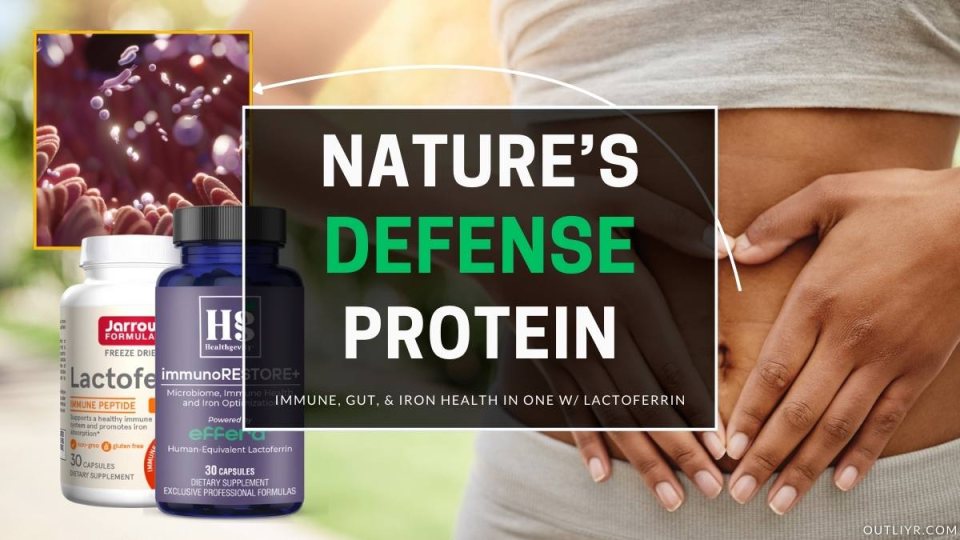
Lactoferrin is having a supplement moment. The iron-binding protein is naturally concentrated in colostrum and also appears in tears, saliva, and other secretions.
Its biology is genuinely interesting. The marketing often runs far ahead of the human evidence.
The strongest clinical case is narrower than the long list of mechanistic possibilities. Research is most developed around iron status and select immune or infection outcomes, while many gut, metabolic, and longevity claims still rely on early or indirect evidence.
A 2026 randomized trial in 103 healthy adults age 50 and older is a useful reality check. After four weeks, neither 200 mg nor 600 mg beat placebo on the primary interferon-gamma outcome, although several immune-cell and inflammatory markers changed. Lactoferrin looks biologically active, but it is not a proven cure-all.
Here are the six products that best represent the current range of formulas, doses, sources, and price points.
Overall: Healthgevity immunoRESTORE+
Gut Health: VEEP Nutrition Young Gut Ultra
Value: Double Wood Lactoferrin
I have not personally taken any of these six products. I evaluated their labels, ingredient forms, current prices, testing evidence, and the quality of the research behind their claims.
Lactoferrin is an iron-binding glycoprotein found in colostrum, milk, and several body secretions. It participates in antimicrobial defense, immune signaling, and iron regulation
Most supplements use bovine lactoferrin. Precision fermentation also produces recombinant human lactoferrin, but current evidence does not prove that every recombinant product outperforms bovine formulas
Healthgevity immunoRESTORE+ is the broadest formula here. Double Wood is the better value if you want a simpler bovine lactoferrin capsule with a public batch certificate
Clinical studies use varied doses and populations. Meta-analyses support possible iron-status benefits, while the latest healthy-adult trial missed its primary immune endpoint
Bovine lactoferrin has specific FDA GRAS notices for defined food uses. That is not the same as FDA approval of every supplement or health claim
Treat “miracle molecule” and “the next NAD+” as marketing frames, not clinical conclusions. Product-specific trials are sparse
What is Lactoferrin
Lactoferrin is a special helper protein found in breast milk and other body fluids that binds onto iron, starving pathogens from a nutrient they need to grow.
Technically, it’s a glycoprotein best known for its antimicrobial and immune-modulating effects. It is a member of the transferrin family, which acts as the body’s iron managers.
Proteins in the transferrin family share the ability to bind iron, but each has different specialties.
Transferrin mainly transports iron in the blood, while lactoferrin specifically bolsters the body’s defenses. It works by locking iron away from harmful microbes and directly supporting immune function.
Experts classify lactoferrin 3 ways:
- Source (whole colostrum vs isolated protein)
- Species (cow vs human)
- Iron-binding form (apo vs holo).
These distinctions matter because each version works differently in the body.
Here’s how.
Lactoferrin vs colostrum
Colostrum is the milk-like substance produced by mammals right after giving birth, while lactoferrin is one specific protein found in high concentrations in colostrum (and milk).
Colostrum provides newborns with immune protection and nutrients for growth and gut development. That’s why it’s rich in:
- Proteins
- Antibodies (especially IgG)
- Growth factors
- Vitamins
- Minerals
- Bioactive compounds
Meanwhile, lactoferrin is a single bioactive protein naturally present in colostrum, often isolated and concentrated for supplements. It functions as an antimicrobial, immunomodulator, and gut protector.
Other human secretions like tears, saliva, nasal fluids, and neutrophils (a type of immune cell) also contain lactoferrin.
Learn more in my guide to the best colostrum supplements for adults.
Bovine lactoferrin vs human lactoferrin
As the names imply, bovine lactoferrin is isolated from cow’s milk, while human lactoferrin is from human milk.
Human and bovine lactoferrin differ structurally, but the practical question is whether a finished supplement has credible human evidence. A human-identical source alone does not establish superior outcomes.
So most supplements use bovine lactoferrin.
Recent advances in biotechnology make it possible to make bacteria produce human-equivalent lactoferrin (recombinant). Effera™ is a branded version of this.
The recombinant approach allows scientists to insert the human lactoferrin gene into a safe organism like yeast, plants, or microbes, which then manufactures a bioidentical protein at scale.
Both bovine and human forms share comparable biological activity, making either a viable supplement option (Front Nutr, BioMetals).
Apo-lactoferrin vs holo-lactoferrin
Apo-lactoferrin is the relatively iron-depleted form, while holo-lactoferrin is more iron-saturated. Their chemistry differs, but labels and finished-product evidence matter more than assuming one form is universally superior.
In laboratory models, apo-lactoferrin can bind available iron and limit a resource some microbes need to grow. Translating that mechanism into a predictable supplement outcome still requires human trials.
It’s also more active in regulating iron absorption in the gut since it can grab iron and control how it’s delivered.
Holo-lactoferrin carries more iron and may behave differently in iron-transport contexts.
That distinction is biologically plausible, but it does not make holo-lactoferrin a substitute for diagnosing and treating iron deficiency.
Lactoferrin naturally exists in these two states. Together, they act as a “smart” iron regulator (J Nutr). Holo-LF helps during iron deficiency and apo-LF prevents overload.
Most supplements contain mostly apo-LF since it’s more bioactive and can reversibly bind iron. When your body needs iron, apo-LF releases iron that’s bound to it, converting into holo-LF.
Then, when iron-saturated holo-LF gives away iron, it then changes to iron-free apo-LF.
This flexibility lets apo-LF pick up or release iron as needed, constantly shifting between apo and holo states.
On my podcast, longevity researcher Dr. Sandra Kaufmann described exogenous lactoferrin as a regulatory signal that may help shut down inflammation after an immune response. That is expert context about the ingredient, not evidence that any product below has been clinically tested.
Some supplements combine lactoferrin with prebiotics or postbiotics. A broader ingredient list does not automatically mean a better finished formula.
The useful differences are source, dose, formula complexity, testing transparency, and price.
The Best Lactoferrin Supplements
Today’s top lactoferrin supplements differ in source, dose, form, and added ingredients, making some better fits than others.
Here’s a side-by-side comparison to help you quickly evaluate and choose the lactoferrin supplement for you.
| Product | Best For | Source | Dose | Servings | Current Price | Testing Note |
|---|---|---|---|---|---|---|
| Healthgevity immunoRESTORE+ | Broadest formula | Effera recombinant human lactoferrin | 340 mg | 15 | $74.99 | No finished-formula trial found |
| Double Wood Lactoferrin | Value and transparency | Bioferrin 2000 bovine lactoferrin | 250 mg | 30 | $26.95 | Public batch certificate |
| VEEP Young Gut Ultra | Gut-focused blend | Effera recombinant human lactoferrin | 200 mg | About 15 | $52.95 | No finished-formula trial found |
| Life Extension Lactoferrin Caps | Simple 300 mg formula | Bovine whey lactoferrin | 300 mg | 60 | $45.00 | No batch certificate linked |
| Jarrow Freeze-Dried Lactoferrin | Apo-lactoferrin | Freeze-dried bovine apolactoferrin | 250 mg | 30 | $32.99 | No batch certificate linked |
| HUMANX Lactoferrin | Highest dose per capsule | Bovine lactoferrin | 500 mg | 30 | $34.95 | Third-party testing stated |
Here is how the products differ. The “best” labels reflect formula and value comparisons, not my personal use.
Healthgevity immunoRESTORE+: Best Overall Lactoferrin Supplement

Is Healthgevity immunoRESTORE+ worth it?
I have not personally taken Healthgevity immunoRESTORE+. This assessment compares its official formula with current human lactoferrin research and my podcast discussion with Dr. Sandra Kaufmann.
- Form
- Capsules
- Lactoferrin
- 340 mg
- Serving Size
- 2 capsules
- Servings
- 15
- Source
- Effera recombinant human lactoferrin
- Formula
- Lactoferrin, postbiotic, and prebiotic
- Testing
- No finished-formula trial found
- Contains Milk
- No
Best For
- People who want recombinant human lactoferrin with additional gut and immune ingredients.
Skip If
- Skip it if you want a simpler single-ingredient formula or a lower-cost bovine option.
Pros
- Uses 340 mg of Effera recombinant human lactoferrin per serving
- Adds Immuse postbiotic and 2'-FL prebiotic
- Covers a distinct human-lactoferrin option in the lineup
Cons
- Costs more per serving than the bovine options
- The multi-ingredient formula makes lactoferrin's individual effect difficult to isolate
- No published human trial evaluates the finished immunoRESTORE+ formula
Your rating helps others choose
Tap to rate
URBAN for 10% offimmunoRESTORE+ is the most complex formula in this lineup. Two capsules provide 340 mg of Effera recombinant human lactoferrin plus an Immuse postbiotic and 2′-fucosyllactose.
The individual branded ingredients have research behind them, but I did not find a published human trial on this exact finished formula.
At $74.99 for 15 servings, it is also the most expensive option here.
Choose it if you specifically want a recombinant human lactoferrin blend. Skip it if you prefer a simple formula, a longer supply, or finished-product clinical evidence.
The labeled active ingredients are:
- Effera™ (340 mg) – recombinant human lactoferrin produced through precision fermentation
- Immuse Postbiotic (100 billion) – heat-killed Lactococcus lactis strain Plasma
- 2′-fucosyllactose (1,000 mg) – a human milk oligosaccharide supplied as GlyCare
The formula targets immune and gut-health use cases, but the finished product needs direct outcome data.
The main tradeoff is easy to see. You are paying for three branded ingredients in one product rather than lactoferrin alone. That can simplify a stack, but it also makes it harder to know which ingredient is responsible for any change.
Effera is produced through precision fermentation and is not milk-derived. That makes this the clearest option here for someone who wants to avoid bovine lactoferrin, although anyone with a serious allergy should still confirm the full manufacturing and allergen details with the company.
The current label uses two capsules per serving and provides 15 servings per bottle. The $74.99 price works out to about $5 per serving before any discount.
I would want to see a randomized trial on this exact combination before treating its multi-system positioning as established. Until then, the strongest reason to choose it is formula design, not superior clinical proof.
Double Wood Lactoferrin: Best Value

Is Double Wood Lactoferrin worth it?
I have not personally taken Double Wood Lactoferrin. This assessment compares its official label and batch-testing disclosures with current human lactoferrin research and my podcast discussion with Dr. Sandra Kaufmann.
- Form
- Capsules
- Lactoferrin
- 250 mg
- Serving Size
- 2 capsules
- Servings
- 30
- Source
- Bioferrin 2000 bovine lactoferrin
- Formula
- Single ingredient
- Testing
- Batch certificate available
- Contains Milk
- Yes
Best For
- Value-focused buyers who want batch-tested bovine lactoferrin.
Skip If
- Skip it if you have a milk allergy, follow a vegan diet, or specifically want recombinant human lactoferrin.
Pros
- Uses 250 mg of Bioferrin 2000 per serving
- Official batch certificate covers identity, potency, and contaminants
- Lowest current cost per serving in this six-product lineup
Cons
- Requires two capsules per serving
- Milk-derived and unsuitable for a milk allergy or vegan diet
Your rating helps others choose
Tap to rate
Double Wood Supplements was founded in 2013 by twin brothers with a mission to provide transparent, practitioner-grade supplements.
The company publishes a batch certificate covering identity, potency, and contaminants. That is stronger transparency than a generic testing claim.
Two capsules provide 250 mg of Bioferrin 2000 derived from bovine milk whey.
At $26.95 for 30 servings, it has the lowest current price per serving in this lineup.
I did not find a finished-product outcome trial. Choose it for a simple bovine formula and public testing documentation, not because Bioferrin is proven superior to every other form.
Bioferrin 2000 is partially iron-saturated bovine lactoferrin. That distinguishes it from the explicitly apo-lactoferrin Jarrow product, but the comparison does not establish that Double Wood will produce better iron or immune outcomes.
The serving is two capsules, so anyone comparing labels should avoid mistaking the 250 mg serving for a per-capsule dose. The bottle supplies 30 servings.
This is also milk-derived. Avoid it with a milk-protein allergy unless your clinician and the manufacturer confirm it is appropriate for you.
Among these six, Double Wood makes the strongest value case because it combines the lowest current cost per serving with unusually accessible batch documentation. That is a purchasing advantage, not proof of a stronger health effect.
VEEP Young Gut Ultra: Best Lactoferrin Gut Blend

Is VEEP Nutrition Young Gut Ultra worth it?
I have not personally taken VEEP Nutrition Young Gut Ultra. This assessment compares its official formula with current human lactoferrin research and my podcast discussion with Dr. Sandra Kaufmann.
- Form
- Powder
- Lactoferrin
- 200 mg
- Serving Size
- 1 scoop
- Servings
- About 15
- Source
- Effera recombinant human lactoferrin
- Formula
- Lactoferrin, HMO, and resistant starch
- Testing
- No finished-formula trial found
- Contains Milk
- Not stated
Best For
- People who want recombinant human lactoferrin inside a broader gut-focused powder.
Skip If
- Skip it if you want a simple, single-ingredient lactoferrin capsule.
Pros
- Provides 200 mg of Effera human lactoferrin per serving
- Combines lactoferrin with HMO and Solnul resistant starch
- Powder format supports adjustable serving routines
Cons
- The multi-ingredient formula makes lactoferrin's individual effect difficult to isolate
- No published human trial evaluates the finished Young Gut Ultra formula
Your rating helps others choose
Tap to rate
Young Gut Ultra is a powder built around three ingredients:
- Effera™ (200 mg) – recombinant human lactoferrin
- Solnul (3.5 g) – potato-derived resistant starch
- GlyCare (2 g) – a blend of human milk oligosaccharides
Those ingredients make it the most gut-focused option here, but I did not find a published trial on the finished formula.
The label uses a loading period followed by one or two weekly maintenance servings. At $52.95 for about 15 servings, it is a specialized and relatively expensive choice.
VEEP is the outlier in both form and use pattern. It is a flavored powder rather than a capsule, and the formula is designed as a multi-ingredient gut protocol rather than a straightforward lactoferrin supplement.
Solnul is a resistant starch intended to feed gut microbes. The GlyCare blend supplies human milk oligosaccharides. Those ingredients give the product a coherent category position, but evidence on each ingredient does not automatically validate the combination.
The product page makes ambitious claims about microbiome remodeling, gut barrier repair, and long-lasting effects after the loading phase. I could not verify those outcomes in a published randomized trial on Young Gut Ultra itself.
The maintenance schedule changes the cost calculation. Fifteen servings would last only about two weeks during daily loading, but much longer at one or two servings per week. That makes cost per bottle less informative than cost across the full protocol.
Effera is recombinant human lactoferrin, so the lactoferrin source is different from the four bovine products. The product page does not clearly answer every allergen question for the complete blend, so confirm directly if that matters to you.
Choose VEEP if you specifically want lactoferrin packaged with resistant starch and human milk oligosaccharides. Skip it if you want to isolate lactoferrin, compare a clean dose-response, or start with the least expensive option.
Because I have not taken the product, I cannot judge its taste, texture, mixability, or how the loading protocol feels in practice. Those are meaningful unknowns for a powder used repeatedly.
Life Extension Lactoferrin Caps: Best Simple High-Dose Formula

Is Life Extension Lactoferrin Caps worth it?
I have not personally taken Life Extension Lactoferrin Caps. This assessment compares its official label with current human lactoferrin research and my podcast discussion with Dr. Sandra Kaufmann.
- Form
- Vegetarian capsules
- Lactoferrin
- 300 mg
- Serving Size
- 1 capsule
- Servings
- 60
- Source
- Bovine whey lactoferrin
- Formula
- Single ingredient
- Testing
- No batch certificate linked
- Contains Milk
- Yes
Best For
- People who want a convenient one-capsule bovine lactoferrin formula.
Skip If
- Skip it if you have a milk allergy, follow a vegan diet, or specifically want recombinant human lactoferrin.
Pros
- Provides 300 mg of bovine-whey lactoferrin per capsule
- One-capsule serving with 60 servings per bottle
- Official label clearly identifies the lactoferrin source and dose
Cons
- Contains milk
- The product page does not link a batch-specific certificate
Your rating helps others choose
Tap to rate
Life Extension provides 300 mg of bovine whey lactoferrin in one vegetarian capsule.
The 60-capsule bottle is the longest supply in this lineup and costs $45 at the time of review.
The simple formula makes the dose easy to compare with clinical research, although the finished product itself does not appear to have direct outcome data.
Choose it if you want one capsule per day and a two-month supply. Skip it if you have a milk allergy or require a linked batch certificate.
At $0.75 per serving, Life Extension sits between Double Wood and the more specialized formulas. Its one-capsule serving is simpler than Double Wood’s two-capsule dose.
The label also promotes immune and eye-health support. Those are ingredient-level claims. I did not find a randomized trial showing that this specific bottle improves eye outcomes.
The main appeal is practical: a recognizable brand, a transparent 300 mg dose, a single active ingredient, and 60 servings. The main limitation is that the product page does not link the same kind of batch certificate Double Wood provides.
Jarrow Formulas Freeze-Dried Lactoferrin: Best Apo-Lactoferrin

Is Jarrow Formulas Freeze-Dried Lactoferrin worth it?
I have not personally taken Jarrow Formulas Freeze-Dried Lactoferrin. This assessment compares its official label with current human lactoferrin research and my podcast discussion with Dr. Sandra Kaufmann.
- Form
- Capsules
- Lactoferrin
- 250 mg
- Serving Size
- 1 capsule
- Servings
- 30
- Source
- Freeze-dried bovine apolactoferrin
- Formula
- Single ingredient
- Testing
- No batch certificate linked
- Contains Milk
- Yes
Best For
- People who want a one-capsule apolactoferrin formula from an established supplement brand.
Skip If
- Skip it if you have a milk allergy, follow a vegan diet, or specifically want recombinant human lactoferrin.
Pros
- Provides 250 mg of freeze-dried apolactoferrin per capsule
- One-capsule serving
- Official label clearly identifies the form, source, and dose
Cons
- Contains milk and uses a bovine-gelatin capsule
- The product page does not link a batch-specific certificate
Your rating helps others choose
Tap to rate
Each capsule provides 250 mg of freeze-dried bovine apolactoferrin.
Apo-lactoferrin is the iron-depleted form and is often selected for its iron-binding properties. That mechanism does not establish a guaranteed immune or gut outcome.
The bottle contains 30 servings and costs $32.99. I did not find a batch-specific certificate linked from the product page.
Choose it if the apo form is your priority. Skip it if you want the lowest price per serving or a public batch certificate.
Freeze-drying is intended to protect a protein’s structure during processing and storage. That is a reasonable manufacturing feature, but it does not by itself demonstrate better absorption or better outcomes than another properly made capsule.
Apolactoferrin has relatively little bound iron, leaving more capacity to bind iron under laboratory conditions. Research also examines lactoferricin, a peptide produced when lactoferrin is digested. These mechanisms help explain the product’s positioning, but the capsule still needs clinical outcome data.
Jarrow is a single-ingredient formula with one capsule per serving. It contains milk, and the 30-capsule bottle lasts one month at the labeled serving.
At roughly $1.10 per serving, it costs more than Double Wood and Life Extension while providing a similar labeled dose. The reason to pay the difference is a specific preference for freeze-dried apo-lactoferrin, not a proven general advantage.
The brand has a long history in supplements, but brand history cannot replace product-specific evidence or current batch documentation. I did not use customer reviews as proof of immune or gut benefits.
I also have not taken this capsule, so I cannot verify swallowing comfort, taste, or personal tolerance. The recommendation is based on the label, source form, price, and available documentation.
HUMANX Lactoferrin: Highest Dose Per Capsule

Is HUMANX Lactoferrin worth it?
I have not personally taken HUMANX Lactoferrin. This assessment compares its official label with current human lactoferrin research and my podcast discussion with Dr. Sandra Kaufmann.
- Form
- Capsules
- Lactoferrin
- 500 mg
- Serving Size
- 1 capsule
- Servings
- 30
- Source
- Bovine lactoferrin
- Formula
- Single ingredient
- Testing
- Third-party testing stated
- Contains Milk
- Yes
Best For
- People who want the highest lactoferrin dose per capsule in this lineup.
Skip If
- Skip it if you have a milk allergy, follow a vegan diet, or prefer a lower daily dose.
Pros
- Provides 500 mg of bovine lactoferrin per capsule
- One-capsule serving
- Brand states that the formula receives third-party testing
Cons
- Contains milk
- The product page does not link a batch-specific certificate
Your rating helps others choose
Tap to rate
HUMANX provides 500 mg of bovine lactoferrin per capsule, the highest labeled dose per capsule in this lineup.
A higher dose does not automatically produce a stronger clinical effect. The 2026 healthy-adult trial found no advantage on its primary immune endpoint at either 200 mg or 600 mg.
The bottle contains 30 capsules and costs $34.95. The brand states that it uses third-party testing, but I did not find a batch certificate linked from the product page.
Choose it if you want a one-capsule 500 mg dose. Skip it if you want a lower starting dose, a recombinant source, or public batch documentation.
The one-capsule format is convenient, but a high dose leaves less room to titrate than a lower-dose product. More is not automatically better for an ingredient with no universal target dose.
HUMANX is milk-derived and should be avoided by anyone with a milk-protein allergy unless medically cleared. I have not taken it, so the recommendation does not include a first-hand assessment of tolerance or capsule experience.
How to Choose a Quality Lactoferrin Supplement
No label can guarantee safety or effectiveness. Use these factors to compare what a company actually discloses.
Here’s what to look for:
- Source: Most supplements use bovine lactoferrin. Recombinant human lactoferrin is another option, but source alone does not prove a finished product works better
- Dosage & labeling: Look for transparent dosing, ideally at least 100–200mg per serving, which aligns with clinical studies
- Processing methods: Low-heat extraction preserves protein structure
- Independent testing: Prefer a current certificate that verifies identity, potency, and contaminants over an unsupported testing claim
- Packaging: Choose opaque, moisture-protected bottles to prevent degradation
- Delivery: Enteric or encapsulated formats may change digestion and delivery, but a premium format needs outcome data before it deserves a premium price
- Form: Standalone lactoferrin usually offers more predictable potency than blends. Apo-rich products are better suited for antimicrobial and immune purposes
Choose the simplest product that matches your reason for using it, and check whether the evidence applies to that source, dose, population, and finished formula.
How Lactoferrin Works
Lactoferrin protects your body through multiple mechanisms, from starving pathogens of iron to calming inflammation.
It works primarily through 3 ways:
- Guarding against infection
- Modulating immunity
- Managing iron balance
These mechanisms explain why lactoferrin is being studied. They do not guarantee that an oral supplement will produce each downstream effect in every person.
Antimicrobial defense
Lactoferrin improves antimicrobial defense through a multi-layered mechanism using iron sequestration and interfering with pathogens, making it one of the body’s most versatile natural protectors.
Bacteria need iron to multiply, but lactoferrin locks it away, starving them and reducing their virulence (Biochimie).
Lactoferrin also disrupts protective layers that bacteria build around themselves (called biofilms), weakening or breaking them apart. This exposes the bacteria inside so they’re easier for the immune system to clear (Emerg Microbes Infect, Virology).
Another defense is binding to bacterial toxins like lipopolysaccharides (LPS), which neutralizes their harmful effects and prevents excessive inflammatory signaling and tissue damage (Acta Pharm Sin).
Against viruses, lactoferrin blocks entry by occupying host cell receptors such as glycosaminoglycans (GAGs) and heparin sulfate proteoglycans (HSPGs). These are docking sites viruses use to start infection.
This “barrier and binding” effect makes it harder for invaders to latch onto and invade cells.
Interestingly, when partially digested, lactoferrin produces a smaller, highly bioactive peptide fragment called lactoferricin.
Lactoferricin’s small size and positive charge allow it to directly break bacterial cell membranes. In fact, this peptide fragment displays even greater antimicrobial potency than the intact protein (Int J Mol Sci).
Immunomodulation
Lactoferrin turns the defense system up when you need extra protection, and dials it down to prevent chronic inflammation or autoimmune flare-ups.
Lactoferrin does this by influencing cytokines. These are messenger molecules that tell immune cells when to attack or when to stand down.
Pro-inflammatory cytokines are like the gas pedal (ramping up inflammation to fight infection) and anti-inflammatory cytokines act as brakes (calming things down once the threat is under control).
Lactoferrin helps keep this system in balance, boosting defenses when the immune response is too weak, or calming them when inflammation spirals out of control (Nutrients, Foods).
Iron regulation
Lactoferrin balances iron, acting as either an iron donor or an iron scavenger, depending on the body’s needs.
It delivers iron safely to cells when levels are low and withholds it when overload poses a risk (Int J Mol Sci).
This mechanism prevents the harmful oxidative stress that excess free iron can trigger in tissues.
Unlike standard iron supplements, it helps keep iron levels balanced without causing many of the side effects that usually come with extra iron (BMC Nutr).
Side effects of excess iron include constipation, nausea, stomach upset, and elevated oxidative stress (very dangerous).
Benefits of Lactoferrin
Lactoferrin has several established biological actions, including iron binding and interactions with microbes and immune signaling (Acta Pharmacol Sin, Antioxid Redox Signal, Molecules, Front Nutr):
- Binds excess iron to reduce oxidation
- Modulates the immune system
- Directly damages bacterial membranes
- Fine tunes iron homeostasis
- Induces apoptosis selectively in unhealthy cells
The evidence for supplement outcomes is uneven. Mechanistic activity, animal findings, observational associations, and randomized human outcomes are different levels of proof.
The most defensible human evidence currently centers on iron and hemoglobin outcomes in specific populations. A 2024 systematic review and an earlier meta-analysis reported favorable iron-related outcomes, but the studies varied in population, formulation, and quality.
The list below is an evidence map, not a list of guaranteed benefits. The early items have more human support; later items are increasingly mechanistic, preclinical, or preliminary.
- Immunity enhancing and balancing to help the body fight infections effectively and regulate inflammation (Curr Pharm Des)
- Gut health support and promotes a balanced microbiome, enhancing digestion and protecting against harmful gut bacteria (Int J Mol Sci)
- Protects against pathogens, harmful bacteria, viruses, fungi, and others by directly inhibiting their growth (Front Parasitol, Molecules, Biomolecules, Antimicrob Agents Chemo)
- Balances iron levels in the body to ensure proper oxygen transport and energy production while preventing iron toxicity (Nutrients)
- May support iron deficiency treatment in specific populations, with some trials reporting better iron markers and tolerability than conventional iron supplements (Biomed, Biochem Cell Biol)
- Reduces inflammation and oxidative stress, protecting cells and tissues from damage (Int J Mol Sci)
- Protects newborns and infants from infections and sepsis, supporting early immune and gut development (Molecules)
- Promotes bone health and strength by stimulating bone growth and preventing bone loss (Front Endocrinol, Osteoporosis Int)
- Brain health support and protects nerve cells, potentially lowering the risk of neurodegenerative diseases (Front Aging Neurosci, J Func Foods)
- Cancer biology research explores antioxidant and immune pathways, but this is not evidence that a supplement treats or prevents cancer (Molecules, Int J Mol Cell Med)
- Tissue repair and wound healing support for faster recovery from injuries (Biochem Cell Biol)
- Cardiovascular health support by reducing inflammation and oxidative damage and through both direct cardiac effects and the gut–heart axis (J Dairy Sci, Biometals)
- Regulates metabolism and body weight by influencing fat storage and promoting healthy digestion (Brit J Nutr, Int J Med)
- Skin health support through its antimicrobial and anti-inflammatory properties (Int J Dermatol)
- Stem cell support which is essential for regeneration and repair of tissues (MCM)
- Muscle growth and recovery support indirectly by reducing inflammation and supporting iron balance (Mol Med Rep)
- Immune response regulation in autoimmune conditions, potentially reducing symptoms (Front Immunol)
- Healthy aging support by protecting cells from oxidative damage (Food Func)
- Cellular cleanup processes (mitophagy) and other metabolic benefits, though evidence is very early (J Agric Food Chem, Bioch Bioph Res Com)
- Oral health (teeth and gums) by reducing harmful oral bacteria (Ann Stomatol)
- Fertility and reproductive health, though more research is needed in this area (Mol Med Rep, Immunobiol)
Calling lactoferrin a “miracle molecule” collapses those evidence levels into one headline. “Pleiotropic protein” is the more accurate description: it participates in many pathways, while only some have convincing supplement-outcome data.
Lactoferrin Use Cases, Dosing, & Stacks
There is no universal evidence-based lactoferrin dose. Adult studies use varied doses, sources, delivery systems, populations, and outcomes.
It all depends on your health goals.
I’ve summarized the strongest use cases and corresponding evidence in the table below.
Lactoferrin also works synergistically with other nutrients, amplifying their effects in certain contexts.
For that reason, I’ve included several research-backed stacks shown to enhance results.
| Use Case 💡 | Dose* 💊 | Smart Stacks 📚 | Effect ⚡ | Key Evidence 🔍 |
|---|---|---|---|---|
| Immune resilience 🛡️ | 200mg/day for 12 weeks | LF + probiotics | Fewer respiratory & GI infections, stronger immune activity | Nutrients, Am J Gastroent |
| Skin health & acne 🌿 | 200mg/day in lactoferrin-enriched fermented milk for 12 weeks | LF + zinc + vitamin E (100mg lactoferrin + vitamin E + zinc capsule twice daily) | Reduced acne lesions, improved skin barrier & inflammation | Curr Med Res Opin, Int J Dermatol, |
| Gut health optimization 🌀 | 100-250mg/day | LF + probiotics; LF + lysozyme (an enzyme) (1.5g LF + 0.2g lysozyme) | Enhanced antimicrobial, gut-protective activity, more balanced microbiome | Int J Mol Sci, Am J Gastroent |
| H. pylori eradication 🦠 | 200-400mg/day for 7 days (taken with antibiotics) | LF + LF-derived peptides (emerging) | Higher eradication rates, fewer antibiotic side effects | Am J Gastroent, Pathogens, AlimentPharmacolTher |
| Iron balance & anemia 🩸 | 100-250mg/day | LF + vitamin C | Improved hemoglobin & ferritin, fewer GI side effects | Nutrients |
| Stress recovery after prolonged stress 💪 | No standard dosage-varies by situation, from 50-800mg/day | LF + colostrum | Reduced drug side effects of antibiotics, NSAIDs, & corticosteroids, especially during recovery, heat exposure, or other stress conditions | Biomedicines |
Remember: These doses and stacks reflect clinical trial designs, not one-size-fits-all recommendations.
Individual needs vary, so always consult your physician before starting a new regimen.
Lactoferrin Side Effects & Safety
Oral lactoferrin has generally been well tolerated in studied populations, but safety depends on the source, dose, formula, population, and duration.
The FDA has received GRAS notices for bovine lactoferrin in defined food uses. GRAS status is not blanket approval of every supplement, dose, or health claim.
Published trials mainly report mild adverse effects, but the evidence base is too limited to rule out uncommon reactions or product-specific issues.
Potential side effects of lactoferrin can include:
- Digestive discomfort
- Skin rash
- Constipation
- Loss of appetite
- Vomiting
One mouse study showed an allergic airway reaction in mice when lactoferrin was administered intranasally.
But none of the clinical trials showed lactoferrin is allergenic to humans.
Still, it may be possible to have an adverse reaction to lactoferrin, especially if you have a milk allergy. So, discontinue use and immediately see your doctor if you get an allergic reaction.
To ensure safety, always follow the directions and recommended dose on the supplement label.
Who needs medical clearance or should avoid use
Lactoferrin is safe and well tolerated, but not for everyone.
Anyone matching the following characteristics should get medical advice before supplementing:
- Allergic to dairy proteins since it is usually milk-derived
- Pregnant women should use lactoferrin only under medical guidance
- Immunocompromised or hospitalized patients must consult their doctor because risks and benefits differ
- Chronic health conditions should not use lactoferrin without professional advice
- Using medications, such as immunosuppressants and antibiotics, as these can interact with lactoferrin
If your physician approves lactoferrin supplementation, always follow the prescribed dosage carefully.
Common Questions & Answers Regarding Lactoferrin Supplements
Here’s what most people regularly ask about lactoferrin supplementation.
Can I take lactoferrin if I’m vegan or vegetarian
Not usually. Most supplements come from cow’s milk. Recombinant (precision-fermented) forms exist but are rare. The common supplements on the market will not be vegan unless clearly labeled as recombinant or plant-based, so always check sourcing.
Is lactoferrin approved as a food ingredient or recognized as safe
Yes, bovine lactoferrin is Generally Recognized as Safe (GRAS) by the US FDA for food and infant formula use.
What forms do lactoferrin supplements come in
Lactoferrin comes in capsules, powders, liquids, & combined with colostrum or whey.
Is lactoferrin naturally produced in the body or only obtained from supplements
Lactoferrin is naturally produced in the body and found in colostrum, milk, saliva, tears, urine, vaginal fluid, cerebrospinal fluid, gastrointestinal fluids, blood plasma and cells of the immune system like neutrophils.
What are some lactoferrin foods
Foods containing lactoferrin include: colostrum, human milk, cow’s milk, goat’s milk, cheese, yogurt, and dairy products.
Can lactoferrin help with weight loss
Lactoferrin may reduce body fat and weight by reducing fat accumulation, appetite, and increasing energy expenditure (Int J Food Sci Nutr, Brit J Nutr, Int J Med, Sci Rep)
Is it true that lactoferrin is antiviral
Yes, lactoferrin shows strong antiviral activity against many viruses by blocking virus entry and modulating immunity (Front Immunol).
Could lactoferrin help with taste or smell issues, such as from chemotherapy
Yes lactoferrin supplementation can improve taste and smell abnormalities in chemotherapy patients by reducing oral iron and inflammation (Supp Care Canc).
Is lactoferrin safe for cats
Lactoferrin is generally safe for cats and used in some veterinary supplements, but it’s still best to consult a vet before use.
Are Lactoferrin Supplements the Next NAD+?
Lactoferrin deserves a place among emerging health supplements, but “the next NAD+” is a trend comparison, not an evidence grade.
Current research supports a more measured summary:
- Gut health optimization
- Possible iron-status support in specific populations
- Iron regulation
- Inflammation modulation
- Antimicrobial, anti-inflammatory, & antioxidant actions
- Early research across gut, metabolic, brain, and cardiovascular pathways
- Many unresolved product, dose, and population questions
The next useful studies will test finished products against meaningful outcomes, not just isolated mechanisms.
Future applications of lactoferrin include (Acta Pharmacol Sin):
- Counteracting antibiotic-resistant microorganisms to help break the cycle of antibiotic resistance
- Prevent or reduce the severity of infections in newborns, with efficacy comparable to some vaccines in preventing flu episodes
- Reducing triglycerides, cholesterol, and visceral fat, with lactoferrin-derived peptides showing antihypertensive effects similar to drugs
My take: lactoferrin is worth watching, especially for iron-related applications, but the category still needs stronger finished-product trials. For the brands I trust across the rest of the supplement world, see my top supplement brands roundup.
If you are considering lactoferrin for diagnosed iron deficiency, recurrent infections, or a medical condition, use this guide as a research starting point and make the decision with a qualified clinician.
Thanks!

0 reader comments