

In the morning, I sometimes strap on 3 frequency devices before leaving the house.
A vibration wearable on one ankle, a frequency watch on the other, and a PEMF device in my pocket. Each one primes my brain and body through a different mechanism.
Sound and frequency therapy sounds fringe. Then you look at some of the research.
A 2023 systematic review in PLOS ONE analyzed binaural beat stimulation across dozens of studies. Specific frequencies reliably modulate brainwave patterns. This isn’t placebo territory anymore.
I’ve tested every device on this list. Some daily for over a year. You’ll get the mechanisms that matter, honest limitations (including one where the effects are nearly imperceptible), and my daily frequency stack after hundreds of sessions.
NuCalm – best neuroscience-backed relaxation system
Brain.fm – best budget sound therapy app
WAVWatch – best wearable frequency watch
Resona Health VIBE – best portable PEMF wearable
Apollo Neuro – best vibration therapy wearable
Sensate – best for vagus nerve stimulation
BrainTap – best LED and sound brain entrainment
Infopathy – best electromagnetic frequency imprinting
Somavedic – best ambient frequency harmonizer
inHarmony – best entry vibroacoustic furniture
Sound and frequency therapy uses vibrations from 0.5 Hz to 40,000 Hz to influence your nervous system, brainwaves, and cellular processes across 5 mechanisms: auditory entrainment, vagus nerve stimulation, vibroacoustic, PEMF, and electromagnetic imprinting
A 2023 systematic review in PLOS ONE confirmed binaural beats can modulate brain oscillatory activity, with theta and alpha frequencies showing the strongest effects on relaxation and focus
Apollo Neuro has 6+ peer-reviewed studies behind it, more than any wearable on this list. University of Pittsburgh research showed improved HRV and stress resilience across multiple clinical endpoints
Prices span low-cost subscriptions, mid-range wearables, and premium full-body systems. The comparison table below pulls current prices from each product record automatically
What Is Sound and Frequency Therapy?
Sound and frequency therapy uses targeted vibrations to shift biological processes. Music therapy works through emotional and psychological responses. Frequency therapy causes measurable physiological changes by applying precise waveforms.
The field spans multiple mechanisms. Knowing which type a device uses helps you match it to your goals.
How sound frequencies affect the body and brain
Frequencies interact with your biology through several interconnected pathways. Auditory frequencies like binaural beats and isochronic tones work through neural entrainment. Your brain syncs its electrical activity to match external rhythmic stimulation.
A 2022 meta-analysis in Psychological Research found binaural beats improved both memory and attention across multiple studies. Binaural beats are one of multiple audio frequency technologies.
Mechanical vibrations work through direct tissue stimulation. Your vagus nerve responds to specific vibration frequencies, triggering parasympathetic activation. Basically, your body’s “rest and digest” system kicks in.
A 2020 review in Frontiers in Neuroscience mapped the neurophysiological mechanisms of transcutaneous vagus nerve stimulation. Implantable vagus nerve stimulators are the gold standard, but external devices can help too.
Pulsed electromagnetic frequencies (PEMF) interact with cellular ion channels and membrane potential.
A 2023 review in the International Journal of Molecular Sciences documented how pulsed electromagnetic fields influence DNA synthesis, gene expression, and cell migration. In practice, this means faster recovery and reduced inflammation at the cellular level.
Types of frequency therapy
We’ll cover four main categories of devices in this guide:
- Auditory entrainment: Binaural beats, isochronic tones, and neuroacoustic algorithms (NuCalm, Brain.fm, BrainTap)
- Mechanical vibration: Direct tissue stimulation through sound transducers or haptic motors (Apollo Neuro, Sensate, inHarmony, Zenthesia)
- Electromagnetic frequency: PEMF devices delivering pulsed magnetic fields (HAELO, Resona Health VIBE)
- Frequency imprinting: Electromagnetic signals encoded onto water or delivered through the body (Infopathy, Somavedic)
How Do the Top Sound Therapy Devices Compare?
Here’s how all 12 devices compare across some of the specs that matter.
The price range is massive, from subscriptions to premium full-body systems. Your budget and primary goal narrow the field fast; the comparison table above always shows the current product prices.
The best frequency therapy device overall is NuCalm for serious practitioners who want deep neuroacoustic entrainment with clinical research backing. For the best balance of evidence and everyday usability, Apollo Neuro delivers all-day nervous system regulation. The most accessible entry point is Brain.fm.
How Were These Frequency Therapy Devices Tested?
Every device was purchased with my own money and tested for a minimum of 30 sessions. I tracked results using HRV biofeedback, sleep quality metrics, and subjective session ratings. For PEMF devices, I verified magnetic field output with a gaussmeter. For audio-based systems, I cross-referenced brainwave entrainment claims against EEG data from Muse headband sessions.
Testing spanned 400+ total sessions across all devices. Where affiliate partnerships exist, they were established after testing. No devices were provided for free review. The recommendations reflect what produced measurable changes in HRV, sleep architecture, and subjective wellbeing across extended daily use.
What Are the Best Sound Therapy Apps?
Software-based frequency therapy gives you clinically-studied audio protocols without hardware. These two represent the best approaches.
NuCalm: Best neuroscience-backed relaxation system
Is NuCalm worth it?
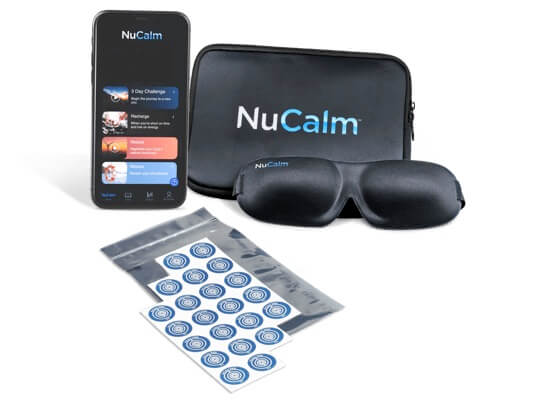
I run NuCalm daily to drop into meditation faster, and use Ignite in the afternoon for a gamma-driven flow state. If your mind won’t quiet on its own, the neuroacoustic sessions do that work for you. The catch: it’s a subscription, and it takes consistent use plus some trial to find your modes.
- Technology
- Neuroacoustic + biosignal processing
- Best Protocols
- PowerNap, Deep Sleep, Ignite
- Platforms
- iOS, Android, Desktop
- Content
- 100+ sessions
- Subscription
- Required
Best For
- You want deep relaxation and recovery without drugs or supplements
- You struggle to meditate or quiet your mind consistently
- You want technology-assisted stress relief and better sleep prep
Skip If
- You already have a strong meditation or relaxation practice
- You prefer free or low-cost stress management techniques
- You're looking for energizing or performance-boosting tech
Pros
- Clinically proven with over 90% effectiveness rate
- Deepens meditation sessions so you get more out of less time
- Ignite mode induces gamma brainwaves for instant flow state
- Drug-free approach to stress relief and performance
- Multiple modes for relaxation, focus, and recovery
Cons
- Monthly subscription cost on top of any hardware
- Requires consistent daily use to see the best results
- Learning curve to find which modes work best for you
Your rating helps others choose
Tap to rate
URBAN for 10% offSee every current discount code and sale →
What separates NuCalm from generic binaural beats apps is the research behind it. Dr. Chung-Kang Peng from Harvard Medical School’s Beth Israel Deaconess Medical Center contributed to the biosignal processing algorithms. A peer-reviewed study demonstrated NuCalm significantly reduced preoperative anxiety (p = 0.005) in a clinical setting.
I use NuCalm daily. The PowerNap protocol is my go-to for a 20-minute midday reset. Rescue and Recover work well after intense training. The deep relaxation protocols consistently drop my HRV into recovery ranges within minutes.
Brain.fm: Best budget sound therapy app
Is Brain.fm worth it?
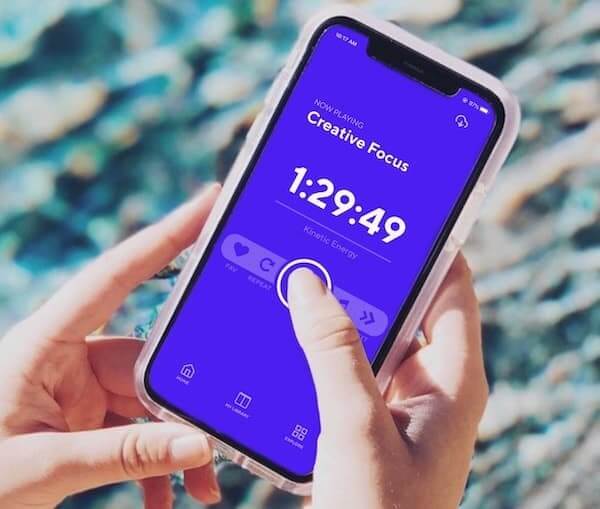
Functional music that EEG and fMRI scans show outperforming binaural beats, dropping you into focus in about 15 minutes across focus, relaxation, and sleep modes. Cheap and simple for noisy workspaces. Headphones work best, and it won’t replace a full cognitive stack.
- Technology
- AI-generated neural phase locking
- Best Modes for Meditation
- Relax, Sleep, Focus
- Platforms
- iOS, Android, Web
- Content
- Unlimited AI-generated sessions
Best For
- You want AI-generated music scientifically designed for focus or sleep
- You work in noisy environments and need auditory focus support
- You want a simple, affordable cognitive performance tool
Skip If
- You prefer silence or your own music while working
- You already use binaural beats or similar focus audio tools
- You're looking for a comprehensive cognitive enhancement solution
Pros
- EEG and fMRI validated to outperform binaural beats for focus
- Drops you into a focused state within about 15 minutes
- Modes for focus, relaxation, and sleep in one app
- Simple, intuitive UI that's easy to navigate
- Very affordable
Cons
- Requires headphones for best results, not always convenient
- Some tracks may not suit everyone's audio preferences
- Not a standalone cognitive enhancement solution
Your rating helps others choose
Tap to rate
URBAN for 20% offBrain.fm is the most accessible entry into sound therapy. The focus mode is genuinely useful for deep work. I notice a measurable difference in sustained attention compared to regular music or silence.
The technology embeds rhythmic pulses at specific frequencies into the music, interacting with neural oscillations below conscious awareness. A lighter touch than NuCalm at 1/12th the price.
Which Frequency Wearables Actually Work?
Wearable frequency devices deliver targeted stimulation through direct body contact. These three each use a different mechanism to influence your nervous system.
WAVWatch: Best wearable frequency watch
Is WAVWatch worth it?
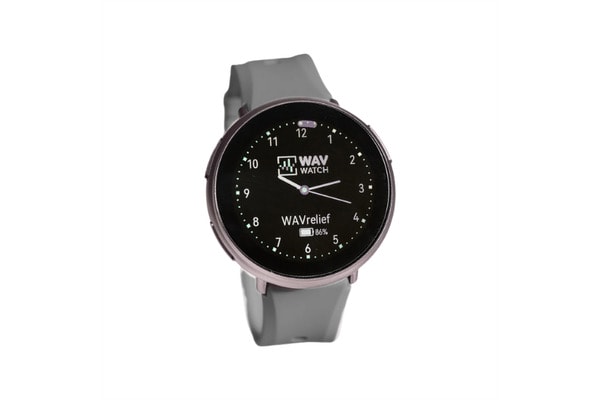
Therapeutic sound frequencies from a watch-style wearable, over 1,000 pre-programmed sessions you select and wear, non-invasive and drug-free for stress and recovery. The research on sound therapy is still emerging, it’s steep for the category, and effects vary by person.
- Mechanism
- Sound frequency therapy
- Frequencies
- 1,000+ programs
- Session Time
- 3-10 minutes
- Form Factor
- Watch-style wearable
Best For
- You're curious about sound frequency therapy in a wearable format
- You want a non-invasive, drug-free approach to stress and recovery
- You like having hundreds of pre-programmed wellness frequencies on your wrist
Skip If
- You're not willing to spend ~$700 on an experimental device
- You need strong peer-reviewed evidence before trying something
- You prefer proven modalities like PEMF over sound frequencies
Pros
- Wearable sound frequency therapy in a watch form factor
- Hundreds of pre-programmed frequencies for different concerns
- Non-invasive and drug-free approach
- Simple interface, just select a program and wear it
- Portable enough for daily use anywhere
Cons
- It's steep for a frequency device
- Sound therapy research is still emerging
- Effects are subtle and vary widely between users
Rate your experience
Tap to rate
URBAN for $100 offWAVWatch sits in an interesting space. The frequency library is extensive and the form factor is convenient. I wear mine daily and rotate through programs. The sleep and recovery modes feel noticeably effective.
The mechanism by which wrist-delivered frequencies influence systemic biology is still debated. My experience has been positive, but the evidence base is thinner than auditory or electromagnetic approaches.
Apollo Neuro: Best vibration therapy wearable
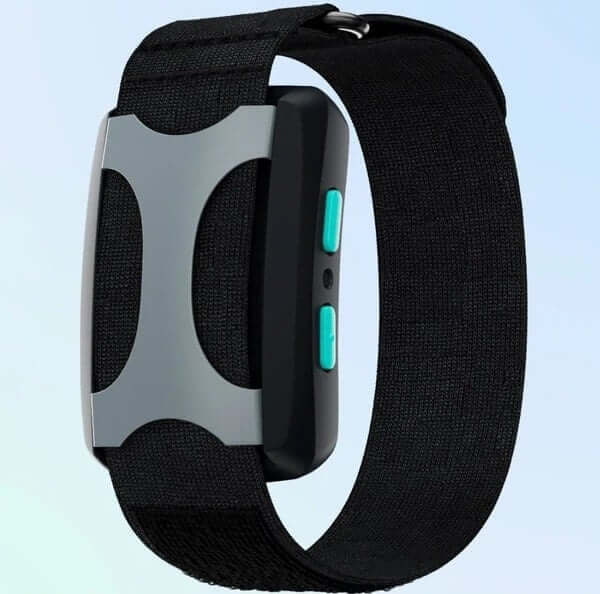
Is Apollo Neuro worth it?
Low-frequency vibration patterns, clinically studied for stress, focus, and sleep, delivered from a discreet wrist or ankle band you can wear all day. Good for HRV and calm without a pill. Some people barely feel the vibrations, and it leans on a companion app.
- Mechanism
- Gentle vibrations
- Wear Location
- Wrist or ankle
- Programs
- 7+ Vibe modes
- Battery
- 2-3 days
- App
- SmartVibes AI (included)
Best For
- You want wearable stress and focus support throughout the day
- You're interested in HRV improvement through gentle vibration therapy
- You want a discreet, wearable alternative to supplements for mood and calm
Skip If
- You're sensitive to vibrations on your skin
- You prefer not wearing additional devices on your body
- You want a one-time purchase (Apollo works with a subscription app)
Pros
- Clinically studied vibration patterns for stress, focus, and sleep
- Discreet enough to wear all day without anyone noticing
- Multiple modes let you switch between energy, calm, and recovery
- I noticed real improvements in sleep and HRV after consistent use
- Popular among pro athletes and high-performers
Cons
- Premium price for a vibration device
- Battery life requires regular charging with heavy daily use
- Some people don't feel the subtle vibrations doing much at first
Your rating helps others choose
Tap to rate
URBAN for $60 offApollo has the strongest clinical evidence of any wearable frequency device. A 2022 study in Frontiers in Neuroscience from the University of Pittsburgh showed Apollo vibration patterns improved HRV and cognitive performance under stress. Multiple peer-reviewed studies confirm the mechanism.
I wear Apollo daily. Energy and Focus modes are my morning defaults. Unwind before bed consistently drops my resting heart rate 5-8 BPM within the first 10 minutes. That’s significant nervous system regulation happening passively. For the deep dive, my full Apollo review covers long-term testing data.
Sensate: Best for vagus nerve stimulation

Is Sensate worth it?
Infrasonic vagus nerve device worn on the chest that runs silent 10-minute sessions paired with a guided soundscapes app. Fits stress relief and pre-sleep relaxation without medication. It’s limited to relaxation, needs a phone, and gates the full library behind a subscription.
- Technology
- Infrasonic vagus nerve stimulation
- Session Length
- 10 minutes
- Placement
- Chest/sternum
- Meditation Use
- Pre-session primer
- App
- Guided soundscapes library
Best For
- Stress relief and vagus nerve activationnDeep relaxation before sleepnAnxiety management without medication
Skip If
- You want active stimulation for focus or energynYou prefer wearables that work without a phone
Pros
- Clinically-studied vagus nerve stimulationnSilent infrasonic technology (no sound needed)nSimple 10-minute sessionsnPairs with guided soundscapes appnPortable chest-worn design
Cons
- Limited to relaxation use casesnRequires smartphone appnSubscription for full content library
Your rating helps others choose
Tap to rate
OUTLIYR for 10% offYour vagus nerve is your body’s master relaxation switch. Sensate targets it through a well-studied mechanism. A 2020 review in Frontiers in Neuroscience documented how transcutaneous vagus nerve stimulation modulates neurotransmitter release, enhances neural plasticity, and triggers anti-inflammatory cascades. In practice, you feel calmer within minutes.
Sensate takes a specific approach. Rather than electrical stimulation (like clinical VNS devices), it uses infrasonic vibrations you feel but don’t hear. The 10-minute sessions are ideal for pre-sleep wind-down or midday stress resets. It’s one of the more affordable dedicated devices here.
What Are the Best Standalone Frequency Devices?
These devices use light, electromagnetic frequencies, or ambient field technologies. Each works through a fundamentally different mechanism.
BrainTap: Best LED and sound brain entrainment

Is BrainTap worth it?
Light-and-sound entrainment guides your brain toward target states across 2,000+ guided sessions, handy for anyone who struggles to meditate alone. The price runs high, and independent long-term research on it stays limited.
- Technology
- Audio-visual entrainment (AVE)
- LEDs
- Earpiece + visor delivery
- Content
- 2,000+ guided sessions
- Categories
- Sleep, Focus, Stress, Performance
- Battery
- Rechargeable, 2+ hours
Best For
- You want guided meditation and neuroscience-based brain training
- You struggle to meditate on your own and need audio/visual guidance
- You want to reduce stress and improve sleep with light and sound therapy
Skip If
- You already have a consistent meditation or breathwork practice
- You prefer silence over guided audio sessions
- You're not willing to use a headset regularly
Pros
- Uses light and sound frequencies to guide the brain into optimal states
- Backed by decades of neuroscience research from Dr. Patrick Porter
- Users often report noticeable state shifts within minutes
- Used by professional athletes, clinics, and business executives
- Great for people who struggle to meditate on their own
Cons
- High price point even with discount
- Requires consistent headset use to see results
- Still relatively new, so long-term independent research is limited
Your rating helps others choose
Tap to rate
URBAN for 15% offAVE has a longer research history than most frequency approaches. Combining light and auditory stimulation creates a stronger entrainment effect than either alone. BrainTap leverages this with a massive content library spanning sleep, focus, stress, and performance.
The trade-off is content curation. With 2,000+ sessions, quality varies. The best programs rival NuCalm for relaxation depth. The weakest feel like generic guided meditations with lights added. Start with “Brain Fitness” and “Sleep” categories for the strongest sessions.
Infopathy: Best electromagnetic frequency imprinting

Is Infopathy Digital Drug “Infoceuticals” worth it?
Replays the electromagnetic signatures of supplements as infoceuticals through imprinted water, PEMFs, or audible tones, drawing on a massive database for at-home experimenting. The effects feel noticeably weaker than the real molecules, and the science stays fringe.
- Transfer Types
- Imprint and PEMF ICs
- Light Modes
- Four modes: Blue + Red + Infrared, Red + Infrared, Blue + Infrared, Infrared Only
- Imprint Capacity
- Up to 2.0 liters of water in 2 minutes
- Connectivity
- Bluetooth or cable connection
- Charge Time
- Approximately 3 hours for a complete charge
Best For
- You're dealing with chronic pain or slow-healing injuries
- You want a non-invasive recovery tool you can use at home
- You're interested in electromagnetic therapy for sleep and inflammation
Skip If
- You have an implanted electronic device (pacemaker, insulin pump)
- You want immediate, dramatic results from a single session
- You prefer simpler recovery methods like stretching or massage
Pros
- Massive database of infoceuticals covering herbs, supplements, and therapies
- Non-invasive and easy to use at home
- Can imprint water, emit PEMFs, or play audible tones
- Affordable way to experiment with electromagnetic therapies
Cons
- Effects feel noticeably weaker than actual supplements or drugs
- The science behind infoceuticals is still fringe and unproven
- Requires consistent use and patience to notice subtle changes
Your rating helps others choose
Tap to rate
URBAN10 for 10% offInfopathy is the most controversial device on this list. I’d rate the immediate perceptibility of effects a 3/10 compared to Apollo or NuCalm where you feel the stimulus directly. The theory draws from quantum biology and structured water research, but clinical evidence is still limited.
Frequency imprinting is a real and growing category. My experience was underwhelming compared to every other device here, but it remains a lower-commitment way to explore the category.
Somavedic: Best ambient frequency harmonizer
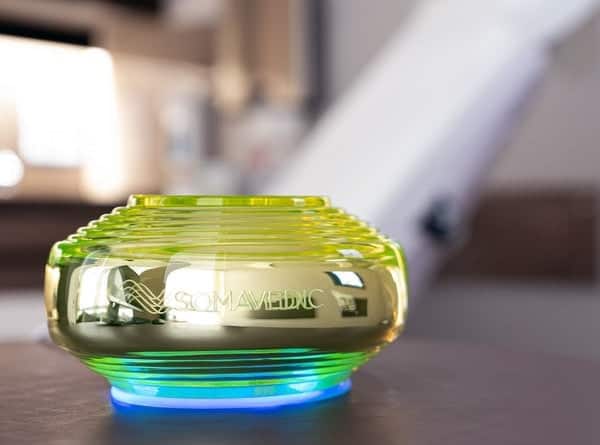
Is Somavedic EMF Protection worth it?
A passive plug-in that uses semi-precious stones to harmonize non-native EMFs while structuring water, with independent-lab reports of better HRV and sleep across a large area. Fits the EMF-conscious. You can’t directly measure it working, and the science stays debated.
- Coverage
- Up to 100 feet (30 meters) in all directions in open space, penetrating walls and floors (Vedic gen. 2)
- Core Materials
- Precisely arranged faceted crystals in a geometric system enhanced with precious metals
- Body
- Handmade silver-plated glass body
- Water Structuring
- Place water within 20 cm (8 inches) of the device; fully structured in 20 minutes
- Warranty
- 5 year warranty on electronic components
Best For
- You're concerned about EMF exposure in your home or office
- You want a passive, set-and-forget environmental wellness device
- You've noticed sensitivity to electronics or Wi-Fi
Skip If
- You're skeptical of EMF harmonization technology
- You'd rather reduce EMF exposure by limiting device usage
- You're looking for clinically proven, FDA-cleared devices
Pros
- Completely passive, just plug it in and forget about it
- Independent lab studies show improved HRV and sleep quality
- Also structures water, giving you a two-in-one benefit
- Covers a large area so one device handles most homes
Cons
- Expensive for something you can't directly measure working
- EMF harmonization science is still emerging and debated
- Requires a leap of faith compared to more mainstream wellness tools
Your rating helps others choose
Tap to rate
URBAN for 20% offSimilar evidence tier to Infopathy. IIREC-certified, but lacking robust peer-reviewed clinical trials.
I’ve run a Somavedic Vedic in my office for months. Effects are too subtle to isolate from other variables. Low-risk ambient tool for the frequency-curious.
What Is Vibroacoustic Therapy?
Vibroacoustic therapy (VAT) uses low-frequency sound transducers embedded in furniture to deliver full-body vibration. This is the most physically immersive category of frequency therapy. Your entire nervous system gets the signal at once.
I’ve tested both entry-level cushions and premium beds. The difference in frequency response and tactile detail is significant, but even entry platforms deliver the core VAT experience. For the full tested rankings of 10 vibroacoustic devices, see the complete vibroacoustic therapy device roundup.
inHarmony Meditation Cushion: Best entry vibroacoustic platform

- Total Output Power
- 100W/20W
- Vibration Frequency
- 20-200Hz
- Transducers
- 1 tactile
- Warranty
- 2 years
- Best For
- Meditation
Best For
- You want vibroacoustic therapy without a huge footprint
- You're looking for the most affordable inHarmony product
- You already meditate and want to deepen your practice with sound
Skip If
- You want full-body vibroacoustic coverage
- You're happy with a basic meditation cushion or mat
- You're not interested in technology-assisted meditation
Pros
- Compact vibroacoustic meditation cushion with built-in transducers
- Most affordable inHarmony product
- Portable compared to their lounge and table options
- Pairs with music apps for guided vibroacoustic sessions
- Great entry point into sound-based meditation
Cons
- Smaller size means less full-body coverage
- Vibration intensity is lower than their larger products
- Still pricier than a standard meditation cushion
Your rating helps others choose
Tap to rate
URBAN for 5% offThe Meditation Cushion is the accessible entry point in this category. It delivers the core tactile VAT experience in a compact format without requiring room for a full therapy bed.
Zenthesia Sound Therapy Bed 2: Best premium vibroacoustic bed

- Total Output Power
- 600W
- Vibration Frequency
- 10-1,000Hz
- Transducers
- 4 high-fidelity
- Warranty
- 2 years
- Best For
- Premum immersive experience
Best For
- You want a full-body vibroacoustic therapy experience
- You're a practitioner who needs a premium therapy bed for clients
- You're serious about sound-based recovery and willing to invest
Skip If
- You're exploring vibroacoustic therapy for the first time
- You don't have room for a full therapy bed
- You're working with a budget under $2,000
Pros
- Full-body vibroacoustic therapy bed with premium build quality
- Multiple transducers deliver even vibration across the entire body
- May support deep relaxation, pain relief, and nervous system reset
- Designed for both personal and clinical settings
- Includes pre-programmed therapeutic sessions
Cons
- Very expensive
- Large and heavy, requires dedicated space
- Niche product with limited independent reviews
Rate your experience
Tap to rate
URBAN for $300 offThe Zenthesia Sound Therapy Bed 2 is the most technologically advanced VAT system in this roundup. Its 600W system uses four high-fidelity transducers across a 10–1,000 Hz range, with 9- and 21-inch height options. That power and range distinguish it from entry-level vibroacoustic furniture.
Are PEMF Devices Effective for Frequency Therapy?
Pulsed electromagnetic field (PEMF) therapy works through a different mechanism than sound-based devices. Instead of auditory or mechanical vibrations, PEMF generates electromagnetic pulses that interact directly with cellular ion channels.
A 2023 review in the International Journal of Molecular Sciences documented how PEMF influences everything from DNA synthesis to inflammation reduction. For the full deep dive, see the PEMF therapy guide.
HAELO: Best dedicated PEMF frequency device

Is HAELO PEMF worth it?
True sine-wave signals across 3 to 11,875 Hz with 10 preset sessions and Biostrap-validated gains in sleep and HRV make this portable PEMF device run from one button. It’s a sizable investment, offers targeted rather than full-body coverage, and limits customization.
- Frequencies
- ELF (1 Hz to 30 Hz) and VLF (30 Hz to 6000 Hz) ranges
- Programs
- 10 Frequency Sets, from 75 to 145 frequencies each
- Dimensions
- Console 10.3 in L x 7.9 in W x 3.3 in H
- Weight
- Console 5.5 lbs; coil 5.5 lbs
- Power
- 100 V to 240 V AC line, 50 to 60 Hz
- Certifications
- TUV SUD Certified in USA and Canada
- Warranty
- 2-Year Limited Warranty (extended options up to 4 years)
Best For
- You want the easiest-to-use premium PEMF device
- You value clinically validated recovery and sleep benefits
- You prefer a portable unit over a full-body mat
Skip If
- You have a pacemaker or implanted electronic device
- You prefer full-body PEMF mat coverage
- You are on a tight budget
Pros
- Sine wave technology across wide frequency range (3-11,875 Hz)
- 10 pre-programmed sessions for different health goals
- Biostrap-validated improvements in sleep quality and HRV
- Simple one-button operation, extremely easy to use
Cons
- It's a significant investment for a PEMF device
- No full-body mat coverage (targeted application)
- Limited customization vs fully programmable PEMF units
- Requires consistent daily use to see results
Your rating helps others choose
Tap to rate
OUTLIYR for $300 offHAELO’s approach differs from single-frequency PEMF devices. Each program uses a specific combination of frequencies designed to work synergistically. The Recovery set layers multiple frequencies associated with inflammation reduction and tissue repair.
Focus and Energy programs are built to run passively in the background during work sessions. With no subscription or consumables, the long-term cost beats many subscription-based alternatives.
Resona Health VIBE: Best portable PEMF wearable
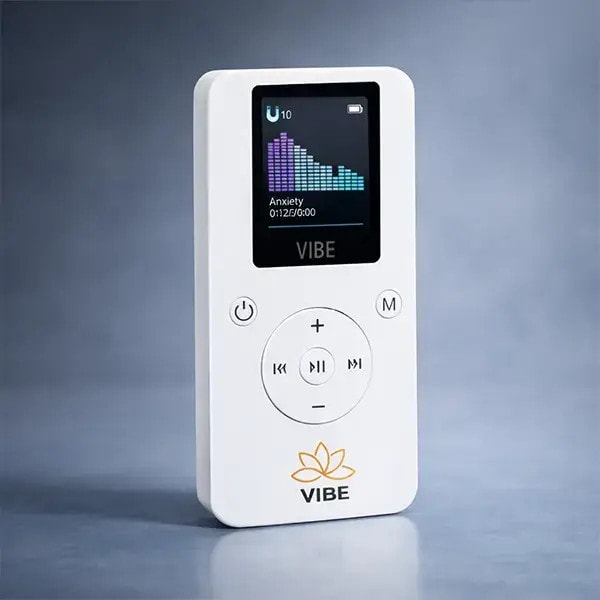
Is Resona Health VIBE worth it?
Compact PEMF unit with 130 pre-programmed, condition-specific protocols (1 to 1,000 Hz, up to 9 Gauss) running plug-and-play with no app. An affordable entry point. Output is lower and the treatment area smaller than full-body mats, and the brand is little known.
- Mechanism
- Wearable PEMF
- Protocols
- 130 programs
- Frequency Range
- 1-1,000 Hz
- Max Intensity
- 9 Gauss
- App Required
- No
Best For
- You want an affordable, portable PEMF device
- You're interested in condition-specific PEMF protocols
- You prefer a simple plug-and-play device over complex setups
Skip If
- You want a full-body PEMF mat for whole-system treatment
- You need high-intensity PEMF for serious conditions
- You prefer established brands like Pulse or FluxTronic
Pros
- Compact PEMF device with multiple condition-specific protocols
- Affordable entry into PEMF therapy
- Pre-programmed frequencies for various health goals
- Portable and easy to use at home
- Research suggests PEMF may support pain relief and recovery
Cons
- Lower power output than larger PEMF systems
- Smaller treatment area than full-body PEMF mats
- Limited brand recognition compared to established PEMF companies
Rate your experience
Tap to rate
The VIBE fills a gap between expensive full-body PEMF systems and doing nothing. It’s one of the most accessible ways to experiment with PEMF. I use it most days on areas that need targeted recovery. It won’t replace a full-body system like HAELO, but the portability makes it practical for travel and targeted applications.
What Is a Rife Machine & Does It Actually Work?
Rife machines generate specific electromagnetic frequencies targeting pathogens, inflammation, and cellular dysfunction. Named after Royal Raymond Rife (1930s), modern devices deliver frequencies through plasma tubes, contact pads, or remote transmission. Clinical evidence is early-stage, but the biohacking community reports benefits for pain and inflammation.
Spooky2 XM Generator

Is Spooky2 XM Generator Portable Starter Kit worth it?
Spooky2’s Rife system packs 50,000+ frequency programs across five delivery methods (remote, contact, plasma, PEMF, cold laser), backed by a huge open-source community. For experimenters wanting the deepest library at a low entry price. Steep learning curve, and the software is Windows-only.
- Frequency Range
- 0 to 5 MHz
- Output
- Up to 20V, up to 200mA
- Amplitude Range
- 10mVp-p to 20Vp-p
- Delivery Modes
- Remote, Contact, Cold Laser, and Pulse Biofeedback
- Programs
- More than 50,000 in the frequency database
- Software
- Windows only (Windows XP through Windows 10)
Best For
- Frequency therapy experimenters who want the deepest program library at the lowest entry price
Skip If
- You want a turnkey plug-and-play device or need Mac-native software
Pros
- 50,000+ frequency programs included
- 5 delivery methods (remote, contact, plasma, PEMF, cold laser)
- Massive user community and open-source database
- Under $350 for a complete Rife system
- Frequency range 0.00001 Hz to 25 MHz
Cons
- Steep learning curve, not plug-and-play
- Software is Windows-only (Mac needs emulator)
- Build quality feels DIY
- No FDA clearance or robust clinical trials
- Requires significant self-education
Your rating helps others choose
Tap to rate
The Spooky2 is one of the most accessible Rife machines, packing 50,000+ frequency programs across 5 delivery methods with a range from 0.00001 Hz to 25 MHz. The trade-off: Windows-only software and a steep learning curve. TrueRife and BCX Ultra offer more turnkey alternatives.
What Are the Best Multi-Frequency Therapy Platforms?
Multi-frequency platforms combine PEMF, light, voltage, harmonics, and Rife frequencies into a single commercial-grade unit delivering 4+ energy types in automated sessions.
BioCharger NG

Is BioCharger NG worth it?
Four energy types fire at once (PEMF, pulsed light, voltage, harmonics), with 1,100+ cloud-updated recipes and automated 15-minute sessions. Built for clinics and serious practitioners wanting multi-modality in one device. A dedicated PEMF unit gives most of the benefit for far less.
- Energy Modalities
- 4 simultaneous: PEMF, Photobiomodulation (light), Voltage, Frequencies and Harmonics
- Programs
- 1200+ cloud-based energy recipes (programs)
- Application
- Touchless, wireless transmission (no body contact required)
- Power
- Requires a standard 110-Volt / 15-Amp grounded outlet; draws up to 1100W at peak
- Light Spectrum Tubes
- 12 gas plasma spectrum tubes (6 pairs)
- Warranty
- 1 year against defects in material and workmanship
Best For
- Clinics, biohacking facilities, or serious home practitioners who want multi-modality frequency therapy in one premium device
Skip If
- You're an individual on a budget. A dedicated PEMF device delivers 80% of the benefit at 5% of the cost
Pros
- 4 simultaneous energy types in one device
- 1,100+ pre-built frequency recipes
- Cloud-connected with new recipes added regularly
- Multi-user capable (clinic-grade)
- 15-minute sessions, fully automated
Cons
- $17,990 price point
- No independent peer-reviewed clinical trials
- Frequency range limited to 5 Hz – 50 kHz
- Requires WiFi for recipe updates
- Large footprint, not portable
Your rating helps others choose
Tap to rate
The BioCharger NG delivers 4 simultaneous energy types: PEMF, pulsed light, voltage, and harmonics across 1,100+ cloud-connected recipes in automated 15-minute sessions. Other notable platforms include the Rasha (scalar energy) and AmpCoil (voice-analysis-guided PEMF). For most individuals, a dedicated PEMF device delivers 80% of the benefit at 5% of the cost.
How Do You Choose the Right Sound Therapy Device?
Your best device depends on your primary goal, budget, and how you plan to use it.
Budget starting point: Brain.fm is the obvious starting point. AI-generated functional music with real neuroscience behind it. No hardware needed.
Stress and relaxation: Apollo Neuro for all-day wearable stress regulation, or Sensate for targeted vagus nerve stimulation sessions.
Daily frequency therapy: WAVWatch delivers 1,000+ frequency programs in a wearable format you can use throughout the day.
Full relaxation system: NuCalm offers the most comprehensive neuroscience-backed relaxation protocols. Worth it if recovery and stress management are priorities.
Immersive body therapy: Start with inHarmony’s Meditation Cushion for accessible vibroacoustic therapy. Upgrade to the Zenthesia Sound Therapy Bed 2 for the most powerful, full-range tactile experience here.
Electromagnetic frequency: Resona Health VIBE for portable, targeted PEMF. HAELO for full-body coverage with sophisticated frequency combinations.
What Does a Daily Tech-Enhanced Sound Therapy Stack Look Like?
I wear the Apollo Neuro on my ankle most days. I’m currently wearing it as I write this. It runs passively in the background, shifting my nervous system without any effort on my part.
NuCalm gets the most deliberate use. Once to twice per day: in the morning while still in bed to transition between sleep and waking states, then often to shift into a gamma brainwave state before work or workouts. Brain.fm substitutes occasionally when I want more track variation, though the effects aren’t as potent.
The Resona Health VIBE lives in my pocket most days. I run it while working or going about my day for targeted PEMF. The Zenthesia bed is my off switch. When I need to drop out of a stress state into deep relaxation, nothing else comes close. It pairs well with other modalities.
WAVWatch gets rotated in for a few days each month. I run specific protocols but don’t use it daily since the effects are subtler for me. Infopathy travels well. The IC Hummer packs multiple modalities into one device (water imprinting and PEMF), which makes it practical for trips when I can’t bring my full setup.
The key insight from stacking: these devices work through different mechanisms, so combining them creates complementary effects rather than redundancy. Auditory entrainment (NuCalm), mechanical vibration (Apollo), and electromagnetic frequency (Resona) each target different biological pathways.
Best frequency therapy device for sleep
NuCalm’s Deep Sleep protocol is purpose-built for driving brainwaves into delta frequencies before bed. Apollo Neuro’s Sleep mode provides gentle haptic regulation throughout the night. Brain.fm’s Sleep mode offers the most affordable option. For the full sleep optimization toolkit, that guide covers every lever beyond frequency devices.
Best frequency therapy device for pain relief
PEMF devices have the strongest evidence for pain management. HAELO delivers targeted electromagnetic frequencies at clinical intensities. Resona Health VIBE offers a portable wearable option for on-the-go pain relief.
Vibroacoustic therapy beds (Zenthesia, InHarmony) deliver whole-body vibration that research shows reduces chronic pain perception. For natural alternatives, the strongest natural pain relief guide covers non-device options.
Best frequency therapy device for anxiety
Apollo Neuro has the strongest clinical evidence for anxiety reduction through somatosensory vibration therapy. Sensate targets the vagus nerve directly with infrasonic stimulation, producing measurable parasympathetic shifts. NuCalm’s Calm protocol drives brainwaves from anxious beta states into relaxed alpha. For broader nervous system regulation strategies, that guide covers the full toolkit.
Best budget frequency therapy device
Brain.fm is the strongest genuinely accessible budget option. No hardware required, just AI-generated functional music with neural phase locking. For the full Brain.fm review, that covers all modes and the science behind neural phase locking. Infopathy is the second option in this range, using electromagnetic frequency imprinting through your phone.
Sound therapy vs PEMF: which is better?
They target different systems. Sound therapy (NuCalm, BrainTap, Brain.fm) works through auditory pathways to influence brainwave states via entrainment. PEMF therapy delivers electromagnetic pulses that influence cellular ion channels and membrane potential.
Sound therapy is better for mental state modulation (focus, sleep, relaxation). PEMF is better for physical recovery and pain. Most serious biohackers use both since they operate through non-overlapping mechanisms.
If you want to go deeper on PEMF specifically, I break down the mechanisms in my PEMF benefits guide, compare specialized mat systems in my PEMF mats roundup, and cover machines and wearables together in my full PEMF devices review. If NuCalm caught your eye above, my standalone NuCalm review goes deeper on the protocol. For everything else I’ve written on this modality, see the PEMF therapy topic hub.
FAQ
These are the most common questions I get about sound and frequency therapy.
What is frequency therapy and does it actually work?
Frequency therapy uses sound waves, electromagnetic pulses, or vibrational frequencies to influence biological processes. The evidence varies by modality. PEMF has strong clinical support for pain and bone healing. Binaural beats show measurable effects on brainwave patterns. Vibroacoustic therapy has growing evidence for pain, anxiety, and autonomic regulation. Rife therapy has limited clinical validation despite strong anecdotal reports.
What is the difference between sound therapy and vibroacoustic therapy?
Sound therapy delivers frequencies through headphones or speakers as audio. Vibroacoustic therapy delivers frequencies through physical vibration applied directly to the body via transducers in mats, chairs, or beds. VAT produces tactile sensation and drives frequencies through mechanotransduction pathways that audio alone cannot reach.
Can sound frequencies help with sleep?
Yes. Delta frequency entrainment (0.5-4 Hz) using binaural beats or isochronic tones supports sleep onset and deep sleep maintenance. NuCalm and Brain.fm both offer sleep-specific protocols with clinical evidence. The key is consistent use: entrainment effects strengthen with repeated exposure.
What is the best sound therapy device for anxiety?
Apollo Neuro has the strongest clinical evidence for anxiety reduction through haptic vibration therapy. A 2022 University of Pittsburgh study confirmed measurable HRV improvements and stress biomarker reduction. Sensate targets the vagus nerve with infrasonic stimulation. NuCalm provides deep neuroacoustic entrainment for acute anxiety episodes.
How do binaural beats compare to isochronic tones?
Binaural beats require headphones (different frequency in each ear creates the target frequency in your brain). Isochronic tones use rhythmic amplitude modulation at the target frequency and work through speakers. Research suggests isochronic tones produce slightly stronger entrainment effects because the amplitude pulses are more distinct.
Can I use multiple frequency devices together?
Yes. Devices that work through different mechanisms complement each other. A typical combined session: Apollo Neuro on your wrist (haptic), NuCalm or Brain.fm through headphones (auditory), PEMF mat underneath you (electromagnetic). Each targets a different sensory or physiological pathway.
Are frequency therapy devices safe?
All consumer frequency therapy devices are non-invasive and generally safe for daily use. PEMF devices should be avoided with implanted electronic devices (pacemakers, insulin pumps). Audio-visual entrainment devices (BrainTap, Kasina) should be avoided by people with photosensitive epilepsy. Rife machines at high intensities should be used under practitioner guidance.
How long should you use a frequency therapy device?
Most frequency therapy sessions run 10-30 minutes. PEMF protocols typically run 8-20 minutes. Audio entrainment (NuCalm, Brain.fm) works best in 20-45 minute sessions. Vibroacoustic therapy sessions average 20-30 minutes. Apollo Neuro can run all day on schedule mode. Longer is not always better as neurological fatigue sets in after extended entrainment sessions.
What frequencies are best for healing?
Different frequencies target different outcomes. Delta (0.5-4 Hz) supports deep sleep and physical recovery. Theta (4-8 Hz) promotes meditation and creative insight. Alpha (8-12 Hz) produces relaxed focus. Beta (12-30 Hz) supports alertness and concentration. For PEMF, research supports frequencies from 1-50 Hz for most therapeutic applications. The specific “best” frequency depends entirely on your goal.
Do you need a prescription for frequency therapy devices?
No. All devices in this guide are consumer products available without a prescription. Some PEMF devices marketed specifically for medical conditions (bone healing, depression) may require a prescription in certain jurisdictions, but consumer wellness PEMF devices are freely available. Rife machines are sold as experimental wellness devices.
How Should You Build Your Sound Therapy Protocol?
Sound and frequency therapy spans a massive range of mechanisms, prices, and evidence levels. These 12 devices represent every major category, from subscription apps to premium vibroacoustic beds.
If I had to pick one device for a beginner: Apollo Neuro. Best combination of clinical evidence, ease of use, and versatility. Strap it on, forget about it, and let it regulate your nervous system in the background. That passive quality matters.
If budget isn’t a constraint: NuCalm for neuroscience-backed relaxation, Apollo for all-day nervous system regulation, and HAELO for electromagnetic frequency therapy. Three mechanisms, three pathways, one comprehensive frequency stack.
Start with one device that matches your budget and goal. Track your HRV, sleep quality, or stress levels for 30 days. Let your data tell you whether to go deeper or try a different mechanism entirely. Quantitative and qualitative signals both matter here.
If this guide saved you hours of research, share it with someone who’s curious about sound therapy. Drop a comment below with what you’ve tried.

Have you tested the Calminity Bio-Healing Frequency Generator? PEMF, Rife frequencies, etc. If so, please give your review.