

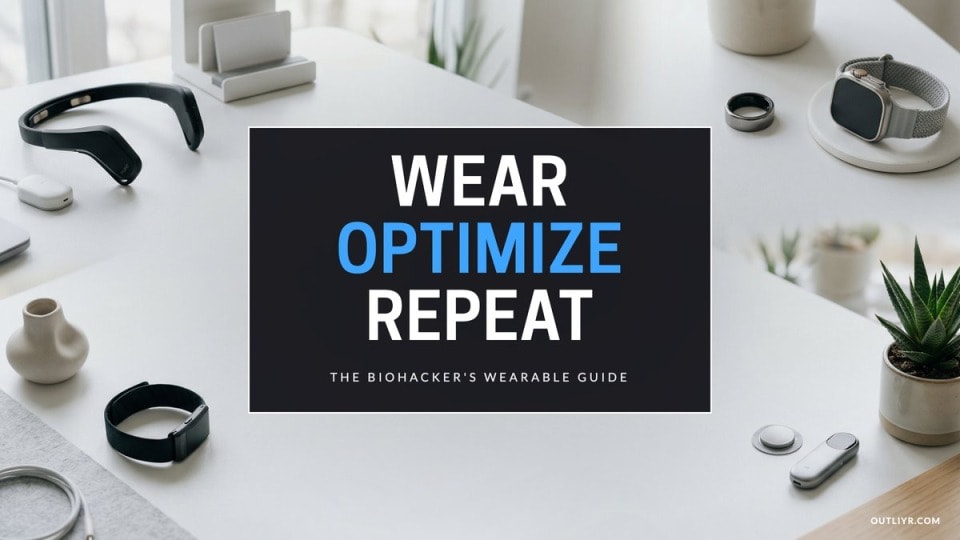
Most “biohacking wearables” don’t biohack anything.
They track.
Oura graphs your sleep stages. Your Apple Watch counts steps. Your CGM logs glucose spikes. All useful data. But data alone doesn’t change your biology. And a high score is a proxy, not the outcome, worth remembering before you optimize the number instead of your life.
A biohacking wearable is a device that actively delivers a stimulus (electrical nerve stimulation, electromagnetic pulses, calibrated vibration, or specific sound frequencies) to shift your physiology in real time, distinct from passive trackers that only measure. The two categories solve different problems, and the best stacks combine both.
I’ve spent 1,000+ hours testing health technology as a CHEK Holistic Lifestyle Coach Level 2, and the wearables that moved the needle weren’t the ones generating charts. They were the ones delivering a stimulus that shifted my physiology in real time.
This roundup covers both sides: devices that actively intervene (vagus nerve stimulators, EMS suits, PEMF, blood flow restriction, sound therapy, brain training) and the trackers worth pairing with them to measure what’s actually changing.
I’ve personally tested every device on this list.
Here’s what made the cut.
Interventional biohacking wearables that deliver a stimulus (vibration, electrical, PEMF, sound) drive measurably greater physiological change than passive trackers. Apollo Neuro improved HRV by 11% within 3 minutes in clinical testing
Full-body EMS activates up to 90% of muscle fibers simultaneously, compared to 40-60% from standard resistance training, compressing a 90-minute gym session into 20 minutes
Blood flow restriction training at 20-30% of normal weight produced greater strength gains than heavy lifting in a Journal of Applied Physiology study, with a 0.055% adverse event rate across 12,000+ users
Vagus nerve stimulation via VeRelief reduced state anxiety by 36% and increased HRV by 31% in a single 10-minute session per a randomized controlled trial
Consumer neurofeedback has reached clinical grade. Muse has 200+ peer-reviewed studies while Sens.ai combines EEG, tPBM, HRV biofeedback, and AI personalization in one $1,500 headset
A budget biohacking wearable stack (RingConn Gen 2 + VeRelief Mini) costs ~$500 total with zero subscriptions, covering 24/7 tracking plus on-demand nervous system regulation
Before investing in wearables, exhaust the free options. Your phone tracks steps, and free apps like Elite HRV measure heart rate variability with just a camera. Manual journaling catches patterns that algorithms miss. I always recommend starting with the free techniques.
When you’re ready to upgrade, these devices add precision you can’t get manually.
Quick Comparison: Best Biohacking Wearables (2026)
The best biohacking wearable for most people is Apollo Neuro, which works passively and carries the strongest clinical backing of anything on this list. Every other device below wins one narrower job, from sleep tracking to brain training.
Every device below targets a different system. Some intervene, some track, some do both.
How Were These Biohacking Wearables Tested?
I tested each device/tech category for a minimum of 30 sessions, all on the instruments in my testing lab. Testing criteria covered objective measurement (HRV changes via Oura and WHOOP, EEG data via Muse, cognitive scores via Pison), subjective experience (stress levels, sleep quality, focus, energy), and practical factors (comfort, battery life, learning curve, portability).
For interventional devices, I isolated each one for 2-week periods to measure individual effects before stacking. For trackers, I cross-validated data across multiple devices simultaneously. Clinical claims referenced are from peer-reviewed studies.
What Is the Best Wearable for Nervous System Regulation?
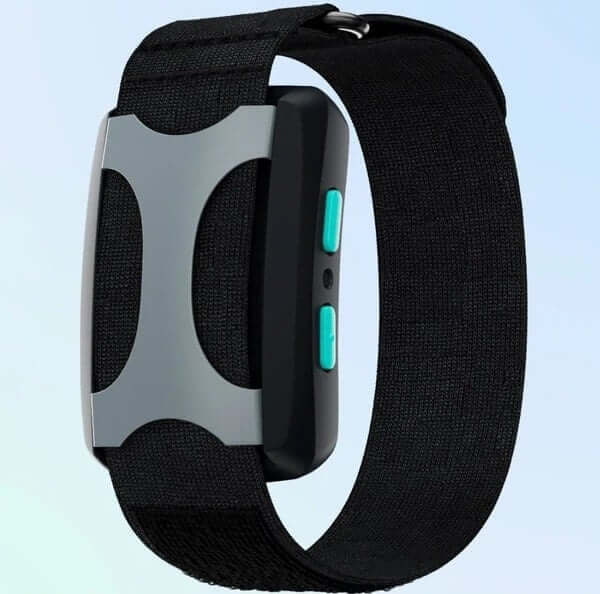
Apollo Neuro is the top wearable for daily nervous system regulation, using gentle vibrations calibrated to shift your autonomic nervous system from sympathetic (fight-or-flight) toward parasympathetic (rest-and-digest) dominance. Unlike electrical stimulators, it works through touch-based vibrational therapy that your body interprets as a safety signal.
In clinical testing, it improved HRV by 11% within 3 minutes. I wear mine on my ankle throughout the day. For the full testing data, see the Apollo Neuro review.
Is Apollo Neuro worth it?
Low-frequency vibration patterns, clinically studied for stress, focus, and sleep, delivered from a discreet wrist or ankle band you can wear all day. Good for HRV and calm without a pill. Some people barely feel the vibrations, and it leans on a companion app.
- Mechanism
- Gentle vibrations
- Wear Location
- Wrist or ankle
- Programs
- 7+ Vibe modes
- Battery
- 2-3 days
- App
- SmartVibes AI (included)
Best For
- You want wearable stress and focus support throughout the day
- You're interested in HRV improvement through gentle vibration therapy
- You want a discreet, wearable alternative to supplements for mood and calm
Skip If
- You're sensitive to vibrations on your skin
- You prefer not wearing additional devices on your body
- You want a one-time purchase (Apollo works with a subscription app)
Pros
- Passive all-day use
- 17+ clinical studies
- 11% HRV improvement in 3 minutes
- Multiple program modes
- Pairs with Oura/Whoop data
Cons
- Annual subscription bundled into price (no opt-out)
- Subtle effect requires HRV data to confirm
- Charging every 2-3 days
Your rating helps others choose
Tap to rate
URBAN for $60 offWhat Is the Best Vagus Nerve Stimulator?
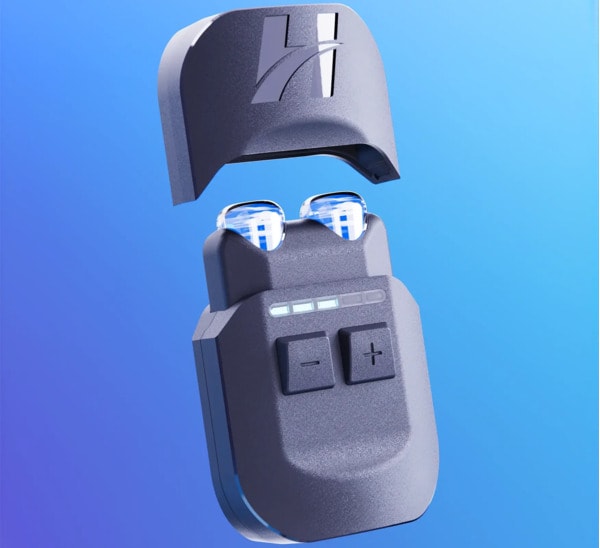
The Hoolest VeRelief Prime is the best dedicated vagus nerve stimulator for on-demand stress relief, delivering transcutaneous auricular vagus nerve stimulation (taVNS) through a handheld device that activates the parasympathetic nervous system in seconds. Where Apollo works passively in the background, VeRelief delivers targeted, acute nervous system resets when you need them most. For the full breakdown, see the VeRelief review.
Is Hoolest VeRelief Prime worth it?
Five modes spanning anxiety, sleep, stress, HRV, and panic run through this pocket-sized vagus nerve stimulator, where 94% of case-study patients reported reduced stress in one session. It’s a real investment for one job, and the electrode pads need periodic replacing.
- Mechanism
- Auricular tVNS
- Models
- Mini, Prime, Pro
- Session Time
- 1-5 minutes
- App Required
- No (Prime and Mini)
Best For
- You want non-invasive vagus nerve stimulation for stress and mood
- You're interested in polyvagal theory and nervous system regulation
- You want to improve HRV and parasympathetic recovery
Skip If
- You have an implanted vagus nerve stimulator already
- You prefer breathwork and manual vagus nerve techniques
- You have active electrical implants (pacemaker, defibrillator)
Pros
- Immediate effect in seconds
- 36% anxiety reduction (clinical trial)
- 31% HRV increase vs placebo
- Ultra-portable
- No app dependency
Cons
- Active use required (hold to ear)
- Gel tips need replacing
- Effect doesn't last as long as Apollo
Your rating helps others choose
Tap to rate
OUTLIYR10 for 10% offWhat Is the Best Wearable for Muscle Performance?
TitanBody delivers a most advanced home EMS training experience, activating up to 90% of muscle fibers simultaneously across 20+ major muscle groups through dry electrode technology. Standard resistance training recruits 40-60% of fibers at best.
EMS bypasses voluntary recruitment limits by directly stimulating motor neurons, compressing a 2-hour gym session into 20 minutes. No wet spray, no gym equipment, no excuses. Over the years I’ve logged hundreds of workouts in my Katalyst suit and TitanBody is the best modern Katalyst alternative.

Is TitanBody EMS Suit worth it?
For me, yes. I switched from Katalyst to TitanBody in June 2026 and love how light and customizable it is. I can change settings, workout parameters, and even exercise duration from the app mid-session. The dry electrodes mean no wetting down the whole suit, a real win in the Austin summer heat. I also like that TitanBody does not lock anyone into a membership fee. The downside: no on-screen instructor guidance like Katalyst, so I run conventional movements or keep YouTube open nearby.
- Mechanism
- Full-body EMS
- Muscle Groups
- 20+
- Session Time
- 20 minutes
- Fiber Activation
- Up to 90%
- Electrodes
- Dry (no spray needed)
Best For
- Time-efficient full-body strength training
- You're recovering from injury and need low-impact resistance
- You want to add intensity to workouts without heavy weights
Skip If
- You have a pacemaker or implanted electronic device
- You prefer traditional weight training and have ample gym time
- You're on a tight budget (EMS suits are a premium investment)
Pros
- Full-body strength training in 20 minutes
- Dry electrodes work without wet spray
- Versatile for strength, cardio, recovery, yoga
- Low-impact and ideal for injury rehab
Cons
- High upfront cost with no financing option
- Tops out around 70% 1RM equivalent. Serious lifters still need the barbell
- Requires 2-3 session adaptation period
Your rating helps others choose
Tap to rate
URBAN for 10% offWhat Is the Best Wearable for Blood Flow Restriction?
The soon-to-be-released KAATSU C5 is gold standard in blood flow restriction (BFR) training, using patented pneumatic AirBands to restrict venous blood flow during exercise and recovery. This isn’t a new biohack.
Dr. Yoshiaki Sato invented the technology in Japan in 1966, and it’s been validated through 40+ years of research including 7,000+ clinical participants at the University of Tokyo Hospital. Again, I’ve logged hundreds of KAATSU workouts over the years, and currently travel with their C3 model.

Is KAATSU C4 worth it?
KAATSU’s standalone pneumatic BFR system pairs a touchscreen with the algorithm-controlled Cycle 20 protocol backed by decades of research, running without a phone or app. It’s an expensive entry point, and the tubes can feel cumbersome during dynamic movement.
- Mechanism
- Blood flow restriction
- Models
- C4, B2
- Research
- 40+ years validation
- Participants
- 7,000+ clinical
- Safety
- 0.055% adverse event rate
Best For
- Serious BFR practitioners who want the most researched pneumatic system
- Users who prefer a standalone device without phone dependency
- Home gym and clinical settings
Skip If
- You have deep vein thrombosis or blood clotting disorders
- You want tubeless wireless convenience (get the B2 instead)
- You need a budget option
Pros
- Low-weight training with heavy-lifting results
- Exceptional safety record
- Travel-friendly
- Joint-friendly alternative to heavy loads
- Recovery Cycle mode
Cons
- Pressure calibration learning curve
- Caps around 20-30% load. Not a substitute for heavy compound lifts
- $900-1,300 for bands that need periodic replacement
Your rating helps others choose
Tap to rate
URBAN10 for 5% offWhat Is the Best Wearable PEMF Device?
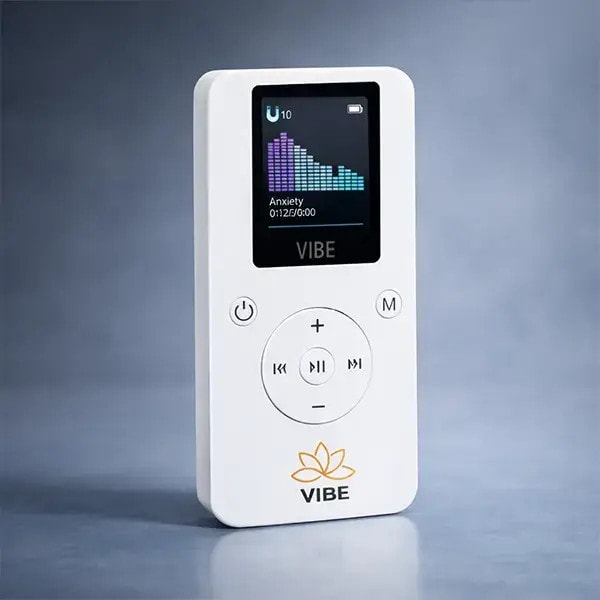
The Resona Health VIBE is the top wearable PEMF (pulsed electromagnetic field) device in 2026, delivering 130 therapy protocols through a pocket-sized unit at 1-1,000 Hz. At $299, it costs a fraction of PEMF mats ($2,000-5,000+) while being portable enough to use anywhere.
Is Resona Health VIBE worth it?
Compact PEMF unit with 130 pre-programmed, condition-specific protocols (1 to 1,000 Hz, up to 9 Gauss) running plug-and-play with no app. An affordable entry point. Output is lower and the treatment area smaller than full-body mats, and the brand is little known.
- Mechanism
- Wearable PEMF
- Protocols
- 130 programs
- Frequency Range
- 1-1,000 Hz
- Max Intensity
- 9 Gauss
- App Required
- No
Best For
- You want an affordable, portable PEMF device
- You're interested in condition-specific PEMF protocols
- You prefer a simple plug-and-play device over complex setups
Skip If
- You want a full-body PEMF mat for whole-system treatment
- You need high-intensity PEMF for serious conditions
- You prefer established brands like Pulse or FluxTronic
Pros
- Pocket-sized portability
- 130 protocols vs 5-10 on competitors
- Fraction of PEMF mat pricing
- No app or phone needed
- 600+ studies support PEMF broadly
Cons
- Weaker than clinical-grade systems
- Limited proprietary study sample sizes
- Learning curve navigating 130 protocols
Your rating helps others choose
Tap to rate
What Is the Best Wearable for Sound Therapy?
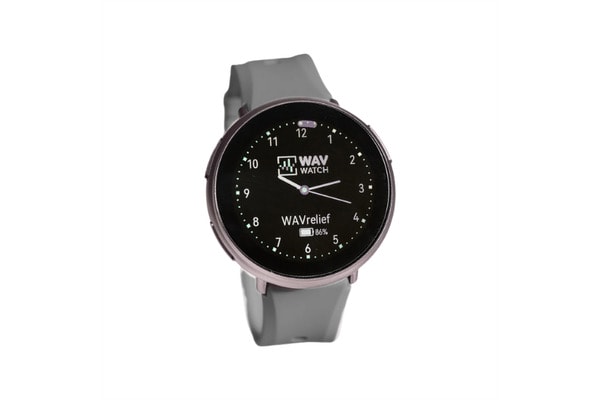
The WAVWatch delivers frequency-specific sound therapy through a watch-form wearable, using over 1,000 programmed frequencies targeting pain, inflammation, sleep, and focus. It’s built on the principle that cells respond to specific vibrational frequencies.
Is WAVWatch worth it?
Therapeutic sound frequencies from a watch-style wearable, over 1,000 pre-programmed sessions you select and wear, non-invasive and drug-free for stress and recovery. The research on sound therapy is still emerging, it’s steep for the category, and effects vary by person.
- Mechanism
- Sound frequency therapy
- Frequencies
- 1,000+ programs
- Session Time
- 3-10 minutes
- Form Factor
- Watch-style wearable
Best For
- You're curious about sound frequency therapy in a wearable format
- You want a non-invasive, drug-free approach to stress and recovery
- You like having hundreds of pre-programmed wellness frequencies on your wrist
Skip If
- You're not willing to spend ~$700 on an experimental device
- You need strong peer-reviewed evidence before trying something
- You prefer proven modalities like PEMF over sound frequencies
Pros
- Noticeable headache and tension relief
- Looks like a normal watch
- Quick sessions (3-10 min)
- Stacks well with PEMF
Cons
- Frequency-specific science still emerging
- $697 for a category without peer-reviewed clinical trials
- Dated watch design
Your rating helps others choose
Tap to rate
URBAN for $100 offWhat Is the Best All-in-One Brain Training System?
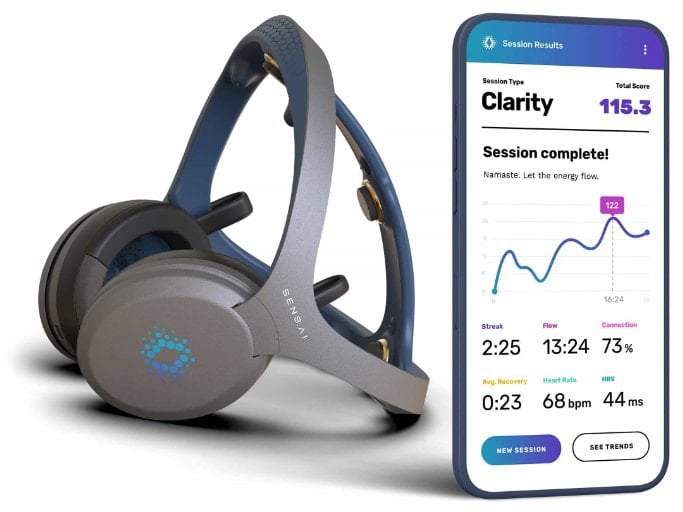
Sens.ai is the most comprehensive consumer brain training system available, combining EEG neurofeedback, transcranial photobiomodulation (tPBM), HRV biofeedback, and AI-driven personalization into a single headset. It’s 5 devices in one: brain scanner, neurofeedback trainer, near-infrared light therapy, heart rate monitor, and AI coach.
I’ve been using this for brain training sessions. The adaptive PBM adjusts infrared light delivery based on real-time EEG data, and the BrainYears cognitive age assessment tracks whether training is making your brain younger. After 600+ sessions, measurable improvements in sustained attention and stress resilience. See the Muse vs Sens.ai comparison for the detailed tradeoffs.
Is Sens.ai Ultimate Brain Trainer worth it?
Combines five brain technologies (neurofeedback, near-infrared light, HRV, meditation, assessment) into one headset that gives objective brain-state data at home instead of a clinic. The upfront cost is steep, and the hardware locks fully into the Sens.ai app ecosystem.
- Modalities
- EEG + tPBM + HRV + AI coaching
- Sampling Rate
- 1,000 samples/sec
- Frequency Range
- 1-120 Hz
- Light Therapy
- 810nm near-infrared
- Modes
- Assess, Train, Boost
Best For
- You want to train your brain for better focus, calm, and sleep
- You're interested in objective neurofeedback data on your brain states
- You want a home-based alternative to expensive neurofeedback clinics
Skip If
- You're not willing to commit to regular training sessions
- You have epilepsy or seizure disorders (consult your neurologist)
- You prefer simpler meditation or mindfulness practices
Pros
- 5 devices in one headset
- Clinical-grade EEG quality
- AI-personalized training missions
- 600+ sessions tested
- Multi-modal simultaneous delivery
Cons
- $1,500 headset plus $20/mo subscription adds up fast
- No independent peer-reviewed device studies yet
- Meaningful learning curve
- Hardware not Apple-level polish
Your rating helps others choose
Tap to rate
URBAN for $75 offWhat Is the Best Brain Fitness Headband?
The Muse S Athena is the best brain fitness headband for meditation and neurofeedback, combining EEG brainwave sensing with fNIRS (functional near-infrared spectroscopy) to measure both electrical brain activity and blood oxygenation. With 200+ peer-reviewed studies backing the platform, it has the strongest research base of any consumer neurofeedback device. See the Muse Athena review for the full testing breakdown.
I keep this on my nightstand for easy use as I’m waking up and theoretically for sleep tracking. The fNIRS sensor (Athena generation) measures neural blood flow alongside EEG, giving a more complete picture of brain activity during meditation and sleep.

Is InteraXon Muse S Athena worth it?
Most polished consumer EEG headband tracks brain, heart, breath, and body with real-time audio neurofeedback plus overnight sleep tracking through a mature app. Full features need a subscription after the trial, and exporting the EEG data takes workarounds.
- Sensors
- EEG + fNIRS
- Studies
- 200+ peer-reviewed
- Feedback
- Real-time audio soundscape
- Sleep
- Neural blood flow monitoring
- App
- Muse (Premium optional)
Best For
- You want guided meditation with real-time brainwave feedback
- You're interested in tracking sleep quality with EEG data
- You prefer a polished app experience over raw data access
Skip If
- You want raw EEG data export for research or custom apps
- You don't want to pay a recurring subscription for full features
Pros
- Strongest research base (200+ studies)
- Intuitive app with zero learning curve
- Dual brain sensing (EEG + fNIRS)
- Accessible price vs clinical neurofeedback
Cons
- Primarily feedback, not interventional
- $12.99/mo subscription locks the best guided sessions
- Headband not discreet for daytime
Your rating helps others choose
Tap to rate
URBAN for 15% offWhat Is the Best Biohacking Smart Ring?
The RingConn Gen 2 is the best smart ring for biohackers in 2026, delivering continuous HR, HRV, SpO2, and skin temperature tracking with zero subscription fees and the longest battery life in its class. At $299 with 10-12 day battery life, it undercuts Oura ($349 + $6/month) on both price and endurance while weighing just 2-3 grams. The primary downside is that it does not write the data to Apple HealthKit.

Is RingConn Gen 2 worth it?
A 2-3g titanium smart ring with 10-12 day battery (150 with case), continuous HR, HRV, SpO2, and temperature, plus sleep apnea detection and no subscription. Suits budget trackers who refuse subscriptions. No haptic alerts, and integrations are smaller than Oura’s.
- Sensors
- PPG, temperature, accelerometer
- Weight
- 2-3g
- Battery
- 10-12 days
- Material
- Aerospace-grade titanium
- Charging Case
- 150 days
- Subscription
- None (lifetime access)
Best For
- Budget-conscious biohackers who refuse subscriptions
- 24/7 health tracking without wrist bulk
- Sleep optimization and apnea screening
Skip If
- You need haptic alerts from your ring
- You want the deepest third-party app integrations
- You need AFib detection (FDA-cleared)
Pros
- No subscription ever (lifetime access)
- 10-12 day battery life (best in class)
- Lightest smart ring at 2-3g
- 150-day charging case
- Sleep apnea detection
- Continuous HR/HRV tracking
Cons
- App insights less polished than Oura
- No haptic feedback (Gen 3 adds this)
- Smaller third-party integration ecosystem
- Newer brand with less clinical validation
Your rating helps others choose
Tap to rate
What Is the Best Biohacking Smart Band?
Whoop 5.0 is the best wrist-worn tracker for biohackers prioritizing recovery optimization and strain management, with industry-leading 14+ day battery life and most sophisticated recovery algorithm in consumer wearables. Where RingConn wins on price transparency (one-time $299, no subscription), Whoop wins on depth of coaching across its One ($199/yr), Peak ($239/yr), and Life ($359/yr) membership tiers.
How it works. Whoop continuously monitors HRV, resting heart rate, respiratory rate, skin temperature, and blood oxygen. Its proprietary algorithm synthesizes these into daily Recovery, Strain, and Sleep scores that tell you how hard to push and when to back off. The newer Healthspan feature (Peak and Life tiers) estimates your biological age.

Is WHOOP 5.0 worth it?
Screenless band tracks HRV, strain, recovery, and sleep for 14-plus days per charge, turning daily recovery scores into training guidance for athletes. It rides on a monthly membership, packs no built-in GPS, and reads wrist HR less accurately than a chest strap.
- Sensors
- Enhanced PPG, accelerometer, skin temperature
- Sampling
- 26 readings per second
- Battery
- Up to 14 days
- Dimensions
- 34.7 x 24 x 10.6mm
- Weight
- Approximately 26.5g
- Water Resistance
- IP68 up to 10m
Best For
- Athletes who want 24/7 recovery and strain tracking without a distracting screen
- Training optimization with daily recovery-based coaching
- Biological age and healthspan tracking
Skip If
- You refuse to pay a recurring subscription for your wearable
- You need a smartwatch with display and GPS
- You want ECG without paying for the Life tier
Pros
- 14+ day battery life (up from 4-5 days on 4.0)
- Continuous HRV, strain, recovery, and sleep tracking
- No screen means fewer distractions
- Actionable daily recovery scores guide training intensity
- Healthspan and biological age tracking (Peak/Life tiers)
- Step counting added in 5.0
Cons
- Requires monthly membership
- Wrist-based HR less accurate than chest strap for some activities
- No GPS built in
- ECG only available on MG device (Life tier)
- Upgrade pricing backlash in 2025
Your rating helps others choose
Tap to rate
The Whoop vs. RingConn decision comes down to what you value: RingConn wins on cost transparency (one-time purchase, no subscription ever) and battery life (10-12 days vs 4-5 days). WHOOP wins on coaching depth, recovery algorithms, and the Healthspan biological age feature.
What Is the Best Wearable for Cognitive Performance Tracking?
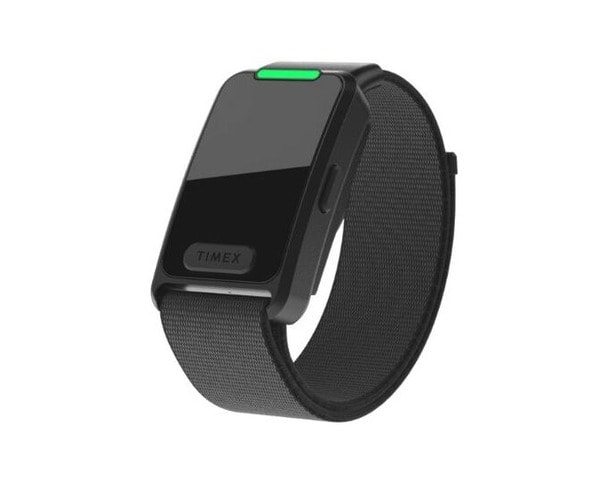
The Pison Perform is the first wearable that actually tracks cognitive performance, using clinical-grade electroneurography (ENG) sensors to measure reaction time, decision-making speed, impulse control, and mental agility directly from neural signals at your wrist. Every other wearable tracks your body. Pison tracks your brain.
Is Pison PERFORM worth it?
Reaction time, decision-making speed, and neural intent get clinical-grade measurement from this wrist wearable, tracking cognitive performance alongside physical readiness. It’s early-stage: the user community is small and the app still trails Apple Watch or WHOOP.
- Sensors
- 2-channel ENG (3.2kHz, 14-bit)
- Cognitive Tests
- Readiness, Agility, Focus
- Battery
- ~4 days
- IMU
- 6-DOF (200Hz)
- Partner
- TIMEX NeuroFit
Best For
- You want a wearable that tracks neural intent and muscle activation in real time
- You're interested in cutting-edge biosensing technology for performance
- You want objective data on your neuromuscular function and readiness
Skip If
- You prefer simple, well-established fitness trackers
- You're not comfortable with early-stage wearable technology
- You want a large user community and established app ecosystem
Pros
- First wearable to track cognition
- Objective intervention testing via tags
- Neural sleep detection
- Gamified global leaderboard
Cons
- Early-stage software bugs
- Occasional data loss
- Blue light at night
- Proprietary charger
- Requires disciplined testing routine
Your rating helps others choose
Tap to rate
URBAN for 10% offWhat Is the Best Wearable for Digital Homeopathy?
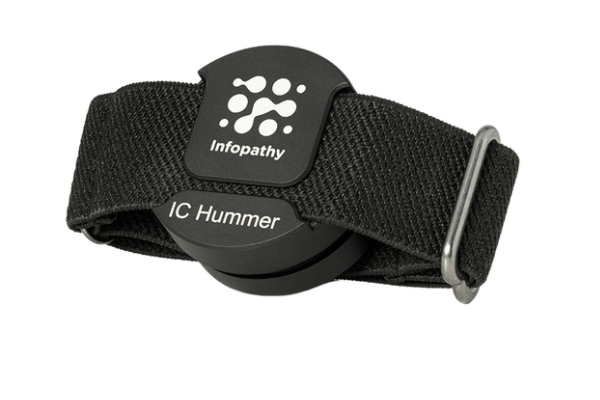
Infopathy’s IC Hummer is the most accessible device in the emerging field of digital homeopathy, using electromagnetic signal imprinting to transfer therapeutic frequencies to water or directly to the body via PEMF.
This is the most controversial device on this list. The science is the least established. I’m including it because the technology is interesting, and my audience is exactly the type to form their own conclusions.
Is Infopathy IC Hummer worth it?
Strap-on PEMF device loaded with 429-plus programs and water-infusion modes, the affordable way to sample frequency therapy. Aimed at beginners. Max intensity is very low at 3 Gauss, some programs sit behind a premium membership, and it can affect pacemakers.
- Mechanism
- EM signal imprinting
- Library
- 4,000+ infoceuticals
- Modes
- Water imprinting, PEMF, Audible
- Models
- Circuit Pad, Hummer, Glowing Pad 3
Best For
- Beginners who want to try PEMF therapy inexpensively
- Anyone interested in multi-purpose frequency therapy beyond just PEMF
- Sleep optimization with measurable tracking
Skip If
- You have a pacemaker or implanted electronic device
- You need high-intensity PEMF therapy above 3 Gauss
- You prefer a dedicated PEMF-only device without subscription features
Pros
- Lowest-cost interventional device
- Zero downside risk
- 4,000+ remedy library
- Fascinating theoretical framework
Cons
- Thin scientific backing
- Water memory disputed in mainstream science
- FTC cease-and-desist history
- No large-scale clinical trials
Your rating helps others choose
Tap to rate
URBAN10 for 10% offBest biohacking wearable for stress and anxiety
Apollo Neuro provides the strongest clinical evidence for ongoing stress regulation through passive haptic therapy. VeRelief delivers acute vagus nerve stimulation for immediate anxiety relief. The combination covers both chronic and acute anxiety. For broader nervous system regulation strategies, that guide covers non-wearable approaches.
Best biohacking wearable for sleep optimization
RingConn Gen 2 provides the best sleep tracking with 10-day battery life, no subscription, and continuous overnight HRV monitoring. Apollo Neuro Sleep Vibe mode delivers gentle vibrations supporting parasympathetic dominance during sleep. For the complete sleep optimization toolkit, that guide covers every lever.
Best biohacking wearable for focus and cognitive performance
Pison Perform is the only wearable that objectively measures cognitive performance through ENG sensors. See the Pison Perform review for full testing data. Sens.ai neurofeedback trains sustained attention through real-time EEG feedback. Apollo Neuro Focus Vibe provides background nervous system support during deep work.
Best biohacking wearable for athletes and recovery
TitanBody EMS compresses full-body strength training into 20-minute sessions. KAATSU enables low-load training with heavy-lifting results. Resona VIBE provides portable PEMF for on-the-go recovery. For the full recovery device toolkit, that guide covers every modality.
Best biohacking wearable under $300
RingConn Gen 2 delivers comprehensive tracking with zero subscription. Resona VIBE provides 130 PEMF protocols in a pocket-sized device. VeRelief Mini offers on-demand vagus nerve stimulation for under $200.
Interventional wearables vs passive trackers: which matters more?
Trackers tell you what is happening. Interventional wearables change what is happening. If you can only afford one, choose intervention. The ideal stack pairs one interventional device with one tracker so you can verify the intervention actually moves your metrics.
Best biohacking wearable for brain training
Sens.ai is the most comprehensive, combining EEG neurofeedback, transcranial photobiomodulation, and HRV biofeedback. Muse S Athena offers the most accessible entry point with 200+ supporting studies. Both build lasting neuroplastic changes over 30+ sessions.
How Do You Build Your Biohacking Wearable Stack?
Not every device serves the same purpose. Here’s how to layer them based on your budget and goals.
Budget stack (~$500)
Start with one tracker and one interventional device:
- RingConn Gen 2 ($299): 24/7 tracking foundation, no subscription
- VeRelief Mini ($199): On-demand vagus nerve stimulation for acute stress
This covers baseline measurement and active nervous system regulation. Total daily time: under 5 minutes of active use.
Mid-range stack (~$1,150)
Add passive nervous system support and PEMF:
- RingConn Gen 2 ($299): Tracking foundation
- Apollo Neuro ($448): Passive nervous system regulation all day
- VeRelief Prime ($249): Acute stress resets
- Resona VIBE ($299): Targeted PEMF for pain and recovery
Premium stack (~$5,500+)
For comprehensive coverage across every system:
- Whoop Life ($359/yr): Deep coaching + ECG + biological age
- RingConn Gen 2 ($299): Redundant tracking for cross-validation
- Apollo Neuro ($448): Background nervous system support
- VeRelief Pro ($399): Hands-free continuous VNS
- KAATSU C4 ($1,260): BFR training and recovery
- TitanBody EMS ($1,895): Full-body muscle activation
- Sens.ai ($1,500 + $20/mo): Multi-modal brain training
A daily protocol with this stack:
- Morning: 20-min Sens.ai brain training session. Apollo on Energy Vibe
- Midday: TitanBody EMS session (training days). Resona VIBE on recovery days
- Afternoon: VeRelief for a nervous system reset. WAVWatch focus program
- Evening: Apollo Sleep Vibe. Muse meditation session
- 24/7: RingConn Gen 2 + Whoop tracking everything
What is the difference between biohacking wearables and fitness trackers?
Fitness trackers passively monitor metrics like heart rate, sleep stages, and activity. Biohacking wearables actively deliver a stimulus: electrical nerve stimulation, electromagnetic pulses, calibrated vibrations, or specific sound frequencies. Trackers tell you what happened. Interventional wearables change what is happening. The best stack includes both.
Are biohacking wearables safe?
The interventional devices on this list use non-invasive, low-intensity stimulation with established safety profiles. Apollo Neuro has 17+ clinical studies. PEMF therapy, tVNS, and EMS all have decades of research. Most are wellness devices, not FDA-cleared medical devices. If you have a pacemaker, seizure disorder, or are pregnant, consult your doctor before using any electrical stimulation device.
Can you use multiple biohacking wearables at the same time?
Yes. Stacking complementary modalities often works better than any single device. Target different systems: Apollo (nervous system) plus Resona VIBE (cellular energy) plus RingConn Gen 2 (tracking) is a clean 3-device stack. Avoid running two electrical stimulation devices simultaneously on the same body region.
How long before you notice results from biohacking wearables?
It depends on the device. Vagus nerve stimulators produce noticeable effects within a single session. Apollo Neuro HRV improvements show up within days, compounding over 90 days. EMS shows strength gains in 4-6 weeks. PEMF effects on pain can be immediate or take 2-3 weeks. Brain training requires 30+ sessions for lasting neuroplastic changes.
What is the best biohacking wearable for beginners?
Apollo Neuro is the best starting point. It addresses the most universal need (stress and nervous system regulation), works passively, produces noticeable effects quickly, and has the strongest clinical backing. Pair it with a RingConn Gen 2 for tracking and you cover intervention plus measurement.
Are expensive biohacking wearables worth it?
TitanBody EMS pays for itself through time savings if you value your time. Replacing 3-4 hours of weekly gym time with two 20-minute sessions. Sens.ai makes sense if brain optimization is a top priority. Start with budget options and scale up based on what moves your metrics. Track everything. Let the data decide.
What is the difference between Apollo Neuro and VeRelief?
Apollo Neuro delivers gentle vibrations for passive, all-day nervous system regulation. You wear it and it works in the background. VeRelief delivers electrical vagus nerve stimulation for acute, on-demand stress relief. You actively use it during high-stress moments. They complement each other: Apollo for the baseline, VeRelief for the spikes.
What biohacking wearables does Nick Urban use daily?
My daily rotation currently includes Apollo Neuro on my ankle (all-day nervous system regulation), Whoop for 24/7 tracking, and Sens.ai for morning brain training sessions. I use VeRelief for acute stress resets and KAATSU for BFR training sessions. Pison Perform tracks my cognitive performance. The specific stack varies by training day vs rest day.
Can biohacking wearables replace traditional exercise?
No. EMS suits compress training time but do not replace all movement patterns. BFR allows lighter loads but still requires you to move. Think of these wearables as force multipliers, not replacements. They make your training more efficient and recovery faster, but foundational movement, strength, and cardiovascular work remain non-negotiable.
Which biohacking wearables work without a smartphone app?
Several work independently. VeRelief Mini and Prime need no phone. Resona VIBE operates via onboard controls with 130 protocols. WAVWatch runs standalone. KAATSU C4 has built-in controls. Infopathy IC Hummer works without a phone in PEMF mode. Devices requiring apps: Apollo Neuro, Muse, Sens.ai, RingConn, and WHOOP.
How do biohacking wearables compare to professional treatments?
Consumer wearables deliver lower intensity than clinical equipment but offer daily accessibility. A PEMF wearable delivers weaker fields than a clinical system, but you can use it every day instead of once a week. For neurofeedback, Muse and Sens.ai approach clinical EEG quality at a fraction of the cost. The compounding effect of daily home use often outweighs the intensity advantage of occasional clinic visits.
What is the best biohacking wearable gift?
Apollo Neuro is the safest gift choice. It works for everyone (stress is universal), requires zero biohacking knowledge, and produces noticeable effects within a single session. RingConn Gen 2 is the best tracker gift since it has no subscription. Avoid gifting devices with steep learning curves unless the recipient is already experienced.
Your Body Is the Lab
The best biohacking wearable isn’t the most expensive one; it’s the one you actually use.
Start with a single interventional device and one tracker.
Use the tracker to prove (or disprove) what the intervention claims. Connect it to the new Outliyr mobile app to easily run self-quantification experiments. Then, all you do is:
- Open the app
- Choose the supplement, device, or modality you’re testing
- Pick the metric(s) you’ll use to determine whether the intervention helps
- Log the days when you use it
Outliyr will go to work in the background automatically, using statistics to figure out the net effect on you. Totally free.
Let your own personal N=1 data drive your next purchase.
Every device on this list earned its spot through my own testing. I’ve worn, measured, and stacked these tools across 1,000+ hours of real-world use. The wearables that stayed in my rotation did so because my own data backed them up. The full reviews behind those calls sit in my wearables and devices coverage. If you want the deep dive on a specific device, I’ve got standalone reviews on the Oura Ring 3, the Ultrahuman Ring, the Biostrap EVO, the Lumen metabolism tracker, and the Hapbee wearable, plus whether the Oura Ring is worth it and my tips for getting more out of it.
Pick one system to optimize first. Measure your baseline. Intervene. Track the change. Then scale from there.
Know someone on the hunt for their next device? Share this article on social media or send it to them over email. Thanks!

0 reader comments