

A 2025 meta-analysis confirmed what the biohacking community has suspected for years. Transcutaneous vagus nerve stimulation meaningfully improves:
- Sleep quality
- Stress resilience
- Autonomic balance
… across randomized controlled trials.
The challenge, however, is choosing the right device from a market flooded with options that use fundamentally different technologies.
Some vagus nerve devices use direct electrical stimulation. Others rely on vibration or neuroacoustics. Those distinctions matter, and I’ll help you understand the nuances of each one throughout this guide.
Best overall: Hoolest VeRelief Prime
Best budget cervical VNS: Pulsetto
Best multi-modal system: NuCalm
Best all-day wearable: Apollo Neuro
Closest to clinical-grade: Truvaga Plus
True electrical VNS sends pulses directly to the vagus nerve (cervical or auricular). Devices like Apollo work through vibration, activating your parasympathetic response indirectly.
VeRelief Prime is the top pick at $199: it’s the only consumer device targeting three nerves simultaneously (vagus, trigeminal, median).
NuCalm’s VT mode delivers 130 Hz vagal toning through neuroacoustic software. No hardware required. I use it multiple times daily.
A 2025 systematic review of randomized controlled trials found transcutaneous VNS significantly improves sleep quality scores.
Your nervous system state determines your quality of life more than any supplement, diet, or workout routine. These devices help you reclaim that.
What Is Vagus Nerve Stimulation & Why Should You Care?
Your vagus nerve is the longest cranial nerve in your body. It runs from your brainstem through your neck and chest, governing heart rate, digestion, inflammation, and your entire stress response.
When you “activate” it, you shift from sympathetic (fight, flight, freeze, or fawn) toward parasympathetic (rest, digest, recover). Your neurotransmitter profile influences how easily you make this shift.
Most people walk around locked in sympathetic dominance all day.
Cars flying past your peripheral vision. Notifications buzzing. Deadlines looming. Your body treats all of it as low-grade threat. The result:
- Crushed HRV
- Elevated cortisol
- Poor sleep
- Brain that can’t focus on anything for more than two minutes
Nervous system regulation is the foundation that determines your entire quality of life.
A dysregulated nervous system makes everything harder.
A regulated one makes everything easier. VNS devices give you a shortcut to parasympathetic activation that would otherwise take years of dedicated breathwork and meditation practice.
And yes, I said shortcut. Quick fixes aren’t the enemy. They’re prerequisites to long-term transformation.
What Are the Different Types of VNS Devices?
Not all devices in this category work the same way. This matters because it changes who they’re best for.
Vagus nerve devices and technologies include:
- Cervical electrical (Pulsetto, Truvaga). Electrodes on your neck send electrical pulses directly to the cervical branch of the vagus nerve. Closest to clinical-grade VNS.
- Auricular electrical (VeRelief, Hoolest Pro). Targets the auricular branch behind or around the ear. VeRelief goes further, hitting the trigeminal and median nerves simultaneously.
- Vibration-based (Apollo Neuro). Gentle vibrations signal safety to your brain through touch receptors. This activates the parasympathetic response indirectly. It’s effective, but it’s not stimulating the vagus nerve electrically. That distinction matters.
- Neuroacoustic (NuCalm). Specific audio frequencies target autonomic balance. NuCalm’s VT mode uses 130 Hz for vagal toning. Works through auditory pathways, not electrodes.
Context and mechanism matter most. For device-free techniques, I wrote a full guide on stimulating your vagus nerve at home.
The 5 Best Vagus Nerve Stimulation Devices
Hoolest VeRelief Prime: Best Overall VNS Device ($199)
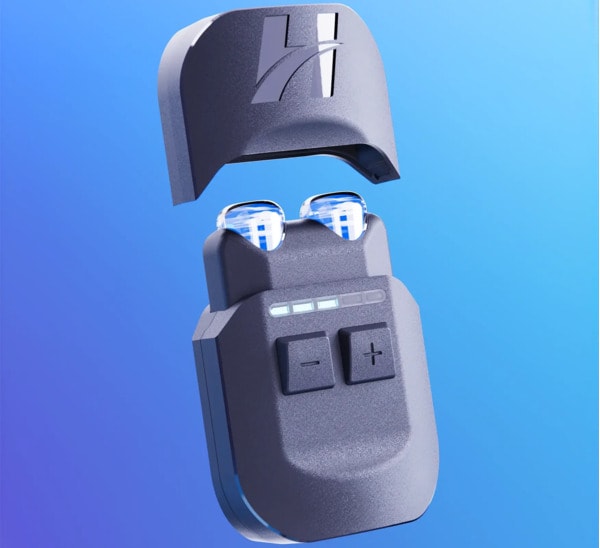
Is Hoolest VeRelief Prime worth it?
Five modes spanning anxiety, sleep, stress, HRV, and panic run through this pocket-sized vagus nerve stimulator, where 94% of case-study patients reported reduced stress in one session. It’s a real investment for one job, and the electrode pads need periodic replacing.
- Mechanism
- Auricular tVNS
- Models
- Mini, Prime, Pro
- Session Time
- 1-5 minutes
- App Required
- No (Prime and Mini)
Best For
- You want non-invasive vagus nerve stimulation for stress and mood
- You're interested in polyvagal theory and nervous system regulation
- You want to improve HRV and parasympathetic recovery
Skip If
- You have an implanted vagus nerve stimulator already
- You prefer breathwork and manual vagus nerve techniques
- You have active electrical implants (pacemaker, defibrillator)
Pros
- 94% of patients reported reduced stress in a single session
- Five distinct modes for anxiety, sleep, stress, HRV, and panic attacks
- Compact and portable for on-the-go use
- Non-invasive, drug-free, and science-backed
- 60-day money-back guarantee
Cons
- It's a significant investment for a single-purpose device
- Requires finding the right electrode placement for best results
- Electrode pads need periodic replacement
Rate your experience
Tap to rate
OUTLIYR10 for 10% offSee every current discount code and sale →
I’ve tested a lot of neuromodulation tools over the years, with everything measured in my testing lab. The VeRelief Prime is the one that made me rethink what’s possible with a pocket-sized device. I sometimes travel with it.
What sets it apart? It’s the only consumer device able to stimulate three nerves:
- Vagus
- Trigeminal
- Median
That tri-nerve approach is patented, and nothing else on the market replicates it. The practical result is that your nervous system shifts within seconds.
Five stimulation modes let you dial intensity up or down. Acute panic attack? Crank it. Pre-sleep wind-down? Keep it gentle. No app to fuss with. No subscription. No gel pads to reorder. Pull it out, press a button, done.
At $199, it’s the most affordable true electrical VNS device available. Military units and first responders have adopted it, which tells you something about real-world effectiveness when the stakes are high.
Hoolest also makes the Hoolest Pro ($499), premium headphones with bilateral vagus nerve stimulation built in. It syncs VNS with your music, packs active noise cancellation, and runs 8 hours of stimulation per charge. Best for extended work sessions or clinical settings where you want both audio immersion and nerve stimulation simultaneously.
Best of all, Hoolest Pro is passive. No need to hold anything. Full testing details in my VeRelief Prime review.
Pulsetto: Best Budget Cervical VNS ($278)
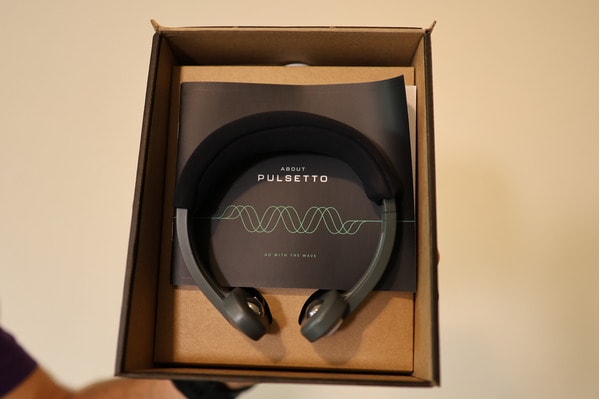
Is Pulsetto Vagus Nerve Stimulator worth it?
Bilateral cervical vagus nerve stimulation with an app of five guided programs for stress, sleep, and focus, used by 100,000+ people. Suits anyone wanting affordable, app-guided VNS. It’s handheld with neck electrodes, needs replacement gel pads, and its studies are internal.
- Stimulation
- Non-invasive cervical (neck) vagus nerve stimulation using ultra-low radiofrequency energy (ULRE)
- Programs
- 5 app-guided stimulation programs (sleep, stress, burnout, pain management)
- Battery
- Up to 10 days daily use per charge (Lite); up to 12 days (FIT)
- Connectivity
- Bluetooth connection to the Pulsetto app; USB-C rechargeable
- Certifications
- FCC-certified
- Warranty
- 2-year warranty
Best For
- You want affordable cervical vagus nerve stimulation
- You prefer app-guided VNS programs
- You want bilateral (both-sides) neck stimulation
Skip If
- You need a wearable device (Pulsetto is handheld with neck electrodes)
- You want to avoid ongoing gel pad costs
- You prefer auricular (behind-ear) stimulation
Pros
- Most popular consumer VNS device with 100,000+ users
- Bilateral cervical stimulation targets both vagus nerve pathways
- Strong app with 5 guided programs
- Affordable at $278
Cons
- Ongoing gel pad replacement costs
- Internal company studies need independent replication
- Not wearable for all-day use
Rate your experience
Tap to rate
Pulsetto takes a different approach. Bilateral cervical stimulation places electrodes on both sides of your neck, targeting both vagus nerve pathways at once.
I own a Pulsetto. The app ecosystem is the strongest in this category. Five guided programs (stress, anxiety, sleep, focus, pain) with sessions from 4 to 15 minutes. Most users feel effects within 2 to 5 minutes. Over 100,000 people use it worldwide.
An internal company study found 56% lower stress and 41% better sleep after four weeks of daily use. I’d love to see independent replication.
The tradeoff: ongoing gel pad replacements. Not expensive, but factor it into total cost of ownership. I had the Pulsetto founder on my podcast to break down the neuroscience behind cervical VNS. I’d also like to see more features in the app ungated without any subscription required.
NuCalm: Best Multi-Modal Nervous System Tool ($15–50/mo)
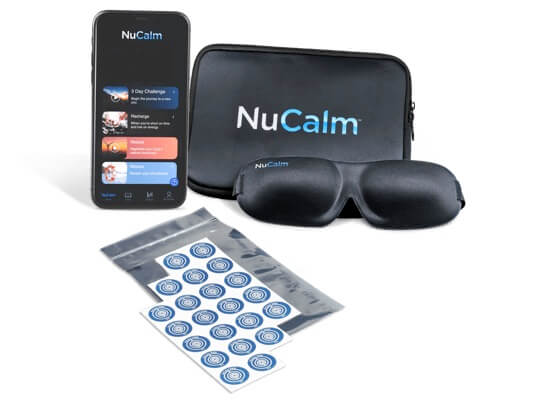
Is NuCalm worth it?
I run NuCalm daily to drop into meditation faster, and use Ignite in the afternoon for a gamma-driven flow state. If your mind won’t quiet on its own, the neuroacoustic sessions do that work for you. The catch: it’s a subscription, and it takes consistent use plus some trial to find your modes.
- Technology
- Neuroacoustic + biosignal processing
- Best Protocols
- PowerNap, Deep Sleep, Ignite
- Platforms
- iOS, Android, Desktop
- Content
- 100+ sessions
- Subscription
- Required
Best For
- You want deep relaxation and recovery without drugs or supplements
- You struggle to meditate or quiet your mind consistently
- You want technology-assisted stress relief and better sleep prep
Skip If
- You already have a strong meditation or relaxation practice
- You prefer free or low-cost stress management techniques
- You're looking for energizing or performance-boosting tech
Pros
- Clinically proven with over 90% effectiveness rate
- Deepens meditation sessions so you get more out of less time
- Ignite mode induces gamma brainwaves for instant flow state
- Drug-free approach to stress relief and performance
- Multiple modes for relaxation, focus, and recovery
Cons
- Monthly subscription cost on top of any hardware
- Requires consistent daily use to see the best results
- Learning curve to find which modes work best for you
Your rating helps others choose
Tap to rate
URBAN for 10% offNuCalm isn’t a traditional VNS device. It’s a multi-modal neuroacoustic system. I’m including it because the VT (Vagal Toning) mode delivers 130 Hz stimulation specifically targeting vagal tone, and the autonomic nervous system effects overlap significantly with electrical VNS.
I use NuCalm multiple times per day. It’s one of my favorite tools in my entire stack. No hardware required. Just the app, headphones, and an eye mask.
The patented neuroacoustic software uses non-linear oscillations that prevent your brain from adapting to the pattern.
That’s a problem with standard binaural beats: your brain figures them out and stops responding. NuCalm sidesteps that entirely. Six modes cover deep sleep, stress rescue, power naps, flow states, focus, and the Ignite performance mode (which targets gamma brain waves).
NuCalm holds the only patent for balancing the autonomic nervous system. Let that sink in. Many VNS technologies aim to balance the ANS, and NuCalm’s technology has a patent showing it accomplishes exactly that.
It’s subscription-based, which keeps entry cost low but adds up over time. Worth every penny if you use it consistently like I do. I pay for this subscription myself.
Deeper breakdown in my full NuCalm review.
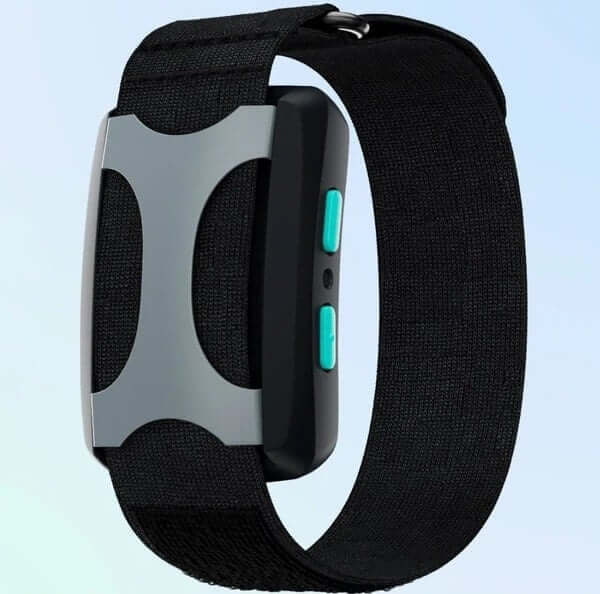
Apollo Neuro: Best All-Day Wearable ($349)
Is Apollo Neuro worth it?
Low-frequency vibration patterns, clinically studied for stress, focus, and sleep, delivered from a discreet wrist or ankle band you can wear all day. Good for HRV and calm without a pill. Some people barely feel the vibrations, and it leans on a companion app.
- Mechanism
- Gentle vibrations
- Wear Location
- Wrist or ankle
- Programs
- 7+ Vibe modes
- Battery
- 2-3 days
- App
- SmartVibes AI (included)
Best For
- You want wearable stress and focus support throughout the day
- You're interested in HRV improvement through gentle vibration therapy
- You want a discreet, wearable alternative to supplements for mood and calm
Skip If
- You're sensitive to vibrations on your skin
- You prefer not wearing additional devices on your body
- You want a one-time purchase (Apollo works with a subscription app)
Pros
- Clinically studied vibration patterns for stress, focus, and sleep
- Discreet enough to wear all day without anyone noticing
- Multiple modes let you switch between energy, calm, and recovery
- I noticed real improvements in sleep and HRV after consistent use
- Popular among pro athletes and high-performers
Cons
- Premium price for a vibration device
- Battery life requires regular charging with heavy daily use
- Some people don't feel the subtle vibrations doing much at first
Your rating helps others choose
Tap to rate
URBAN for $60 offApollo Neuro also does NOT electrically stimulate the vagus nerve. It uses low-frequency vibration to engage touch receptors, which signals safety to your brain and activates the parasympathetic response indirectly. Different mechanism. Still effective for the end goals of stress reduction and HRV improvement.
What Apollo does better than anything else here is passive, all-day support.
Clip it to your wrist, ankle, or clothing. Let SmartVibes AI adjust vibration patterns in the background while you go about your life. Seven modes (Energy, Social, Focus, Recover, Unwind, Sleep, Calm) adapt to whatever you’re doing.
I’ve tested it extensively.
Research from the founding team at the University of Pittsburgh showed an 11% HRV increase. If you want a “set it and forget it” parasympathetic tool, nothing else matches Apollo’s convenience. If you want direct vagus nerve stimulation, the VeRelief or Pulsetto are better choices.
Truvaga Plus: Closest to Clinical-Grade VNS (~$499)

Is Truvaga Vagus Nerve Stimulator worth it?
Handheld vagus nerve stimulator running 2-minute sessions at 25 Hz, the same parameters used in clinical tVNS research, drug-free. Good for stress sufferers who struggle with meditation. Trials on the device itself are limited, and it’s off-limits with a pacemaker.
- Stimulation
- Non-invasive, drug-free vagus nerve stimulation, handheld unit placed against the neck (Truvaga Plus)
- Session Length
- Unlimited 2-minute sessions (Truvaga Plus)
- Lifespan
- Designed for at least 3 years and 30,000 sessions when used as recommended (Truvaga Plus)
- Battery
- Rechargeable via included USB-C charging cord, no disposable batteries
- Included
- Includes one 50ml Signaspray high conductivity electrode spray (hypoallergenic, non-staining, residue-free, lasts around 2 months)
Best For
- Stress and anxiety sufferers who want a fast, non-pharmaceutical tool for activating the parasympathetic response, especially those who struggle with meditation or breathing exercises.
Skip If
- You have an implanted medical device (pacemaker, cochlear implant), heart conditions, or psychiatric disorders requiring medication management.
Pros
- Dead-simple to use: hold to neck for 2 minutes, no app required (Truvaga 350)
- Most users report noticeable stress reduction and better sleep within 7 days
- Stimulation parameters match those used in successful clinical research (25 Hz)
- Non-invasive and drug-free alternative to anti-anxiety medication
- Rechargeable Plus model adds app connectivity and unlimited sessions
Cons
- price point with no insurance coverage
- Limited clinical trials on the device itself: efficacy extrapolated from broader tVNS research
- Potential side effects include skin irritation, muscle twitching, and mild headache
Your rating helps others choose
Tap to rate
Truvaga Plus comes from electroCore, the company behind gammaCore, the only FDA-cleared prescription VNS device for migraines and cluster headaches. Identical stimulation parameters: 5,000 Hz pulses at 25 Hz carrier frequency. Same waveform validated in clinical trials, packaged for over-the-counter consumer use.
I haven’t tested this one personally. What earns it a spot is the clinical lineage. No consumable costs. Rechargeable. Unlimited 2-minute sessions. Free conductivity spray included.
It’s handheld (not wearable), so you actively hold it against your neck each session. Less convenient than Pulsetto or Apollo, but arguably the highest stimulation quality of any OTC device.
What Other VNS Devices Are Worth Considering?
Sensate: Infrasonic Vagal Activation ($269–$349)
Sensate takes a completely different approach. Infrasonic resonance via bone conduction. Place it on your chest and sub-audible frequencies vibrate through your sternum toward the vagal pathway. Not electrical VNS in any traditional sense.
I own a Sensate and have tested it recently.
A pilot study showed a 48% decrease in self-reported stress and 60 extra minutes of sleep per night over 28 days. TIME named it a Best Invention.
The experience feels more like a meditation ritual than clinical stimulation. For light-based brain stimulation, see transcranial photobiomodulation devices, which is exactly the point for some people. If you want something that integrates into a wind-down routine with guided soundscapes, Sensate does that well.
Xen by Neuvana: Earbuds With Built-In VNS ($449)
Xen delivers auricular electrical micro-pulses through the left ear canal via specialized Bluetooth earbuds. Listen to your music while receiving VNS simultaneously. DARPA, Walter Reed, and Thomas Jefferson University have funded research on the underlying technology.
I think I saw this brand at the Austin Health Optimisation Summit 2025, or perhaps at the 2025 Biohacking Conference.
They recommend using it for 15 minutes daily, five times per week. It features three presets (Sleep, Calm, Focus) plus custom waveform options. The dual-function design is clever. The $449 price tag positions it between Pulsetto and the premium Nuropod.
Nuropod: Most Research-Backed Consumer Device ($900)
Nuropod (previously Nurosym in Europe) has the deepest clinical evidence of any consumer VNS device.
50+ completed trials with Harvard, UCLA, Bart’s Health NHS, and the University of Chicago. FDA Non-Significant Risk Designation. Research shows effects sustained even one week after discontinuing use.
The $900 price tag reflects premium clinical validation. If you have specific health concerns and want the most research-backed option regardless of cost, Nuropod is it. Otherwise, I’d probably choose one of the others.
gammaCore: The Prescription Standard
For context: gammaCore by electroCore is the FDA-cleared prescription VNS device ($650 per 93-day supply). Indicated for acute migraine and cluster headache prevention.
Included here so you understand the spectrum from consumer to clinical, and why Truvaga Plus (same company, same parameters, OTC) carries credibility.
None of this replaces the device-free side of vagal tone. I break down box breathing and other extended-exhale patterns, walk through why deliberate hormetic stress trains the same regulation muscle a VNS device shortcuts, and cover EcoMeditation and EFT tapping as a combined practice in their own guides. If sitting still is not your thing, my Ziva Meditation review covers a mantra-based option, and HRV training plus a broader set of stress-reduction tactics round out the toolkit for the days you are not reaching for a device.
Do Vagus Nerve Stimulators Actually Work?
Yes. A 2025 systematic review and meta-analysis of randomized controlled trials confirmed transcutaneous VNS produces clinically meaningful improvements in sleep quality. Additional research shows benefits for stress reduction, HRV improvement, and anxiety management. The evidence is strongest for electrical VNS devices. Vibration-based approaches have promising but more preliminary data.
Is Apollo Neuro a Vagus Nerve Stimulator?
Technically, no. Apollo uses vibration therapy to activate the parasympathetic response through touch receptors. It doesn’t send electrical pulses to the vagus nerve directly. The practical outcomes (lower stress, higher HRV, better sleep) overlap with electrical VNS, but the mechanism is distinct. Think of it as a complementary tool rather than a direct substitute for electrical VNS.
How Quickly Do VNS Devices Work?
Most users feel something within the first session. VeRelief’s tri-nerve approach can shift your nervous system state in under 30 seconds. Pulsetto users typically notice changes in 2 to 5 minutes. Cumulative benefits like improved baseline HRV and reduced resting anxiety build over 2 to 4 weeks of consistent daily use.
Can You Stack Multiple VNS Devices?
Absolutely. I use NuCalm multiple times daily alongside periodic VeRelief sessions. The mechanisms differ enough that they complement rather than compete. Stacking an electrical VNS device with a neuroacoustic or vibration-based tool covers both direct nerve activation and broader parasympathetic support.
Are VNS Devices Safe?
Consumer VNS devices are generally safe based on systematic review data. Most common side effects are mild tingling, temporary ear discomfort, or headache. Avoid VNS devices if you have an implanted electronic device (pacemaker, defibrillator), epilepsy, or are pregnant without consulting your doctor first.
How Does Device VNS Compare to Natural Vagus Nerve Stimulation?
Natural techniques (deep breathing, cold exposure, singing, gargling) work through similar pathways but require more time and consistency. Devices deliver more targeted, measurable stimulation in less time. I use both. Devices for reliable daily activation. Natural techniques for stacking throughout the day. Full breakdown in my vagus nerve stimulation guide.
Are VNS Devices FSA or HSA Eligible?
Depends on your specific plan. Devices with FDA clearance or clinical designations have the strongest case. “General wellness” devices may not qualify. Check with your provider before purchasing.
Reclaim Your Nervous System
Your nervous system determines how you experience every single moment of life.
Regulated, the same situation feels like an opportunity. Dysregulated, it feels like a threat.
Physiology shapes psychology, and psychology shapes physiology.
Of course, I always recommend starting with the free and cheap at-home vagus nerve stimulation tactics.
When you’re ready to upgrade…
The VeRelief at $199 delivers the fastest shift I’ve experienced. Pulsetto gives you the best app ecosystem for guided daily practice. NuCalm’s VT mode fits into a multi-modal optimization stack. Apollo runs passively all day. And Truvaga brings clinical-grade parameters without a prescription.
Pick one that matches your budget and use case. Use it consistently for four weeks. Track your HRV with a quality monitor so you can see the shift objectively. Then decide whether you want to stack more tools or simplify.
If you found this useful, send it to someone who’s been white-knuckling through stress. They probably need it more than they realize.

Comments