

Over the last five years, biohacking has gone from fringe to household term.
Biohackers implement health optimization tools years or even decades ahead of everyone else.
You can be at the forefront too.
In this post, we will investigate some of my favorite high-impact biohacking trends shaping the future of health optimization.
Popular health optimization tools, technologies, and trends often begin in the biohacking industry many years before they shape modern advanced healthcare modalities
While topics like therapeutic peptides, nootropics, PEMF, cognitive enhancement technologies, innovative small molecules, and ancestral medicine warrant investigation, their growth appears more linear than some other biohacks
Light therapy has been one of the top protocols over the years but innovations & advancements in research & the market are now leading to multi-wavelength photobiomodulation
With the looming peptide bans, more peptide delivery systems and peptide mimetics (analogs) are evolving to enhance bioavailability & target specific applications
Outliyr notes a shift away from isolated hacks and toward integrative, systems-based approaches to medicine that integrate environment, biology, behavior, & technology into unified health strategies
Current Biohacking Trends Shaping the Future of Health Optimization
These are some of the top trends in biohacking I expect to continue growing in 2026 and beyond.
1. Moving beyond self-quantification wearables to active intervention
Most wearables started out as devices that would passively collect data and display it in hindsight. For example, showing how well you slept the previous night.
This approach is helpful but falls short because you have to check the data, interpret it yourself, and ultimately make lifestyle changes on your own.
The emergence of active wearables (wearables 3.0) represents a fundamental shift.
Instead of merely telling you what’s going on in your body, these devices actively intervene to help modulate and change your state.
Examples include:
- Apollo Neuro: A wearable that helps shift your nervous system state toward specific goals like energy (to replace morning coffee), focus, meditation, sleep, or post-workout recovery
- Smart mattresses and toppers: Devices like Eight Sleep and BedJet that dynamically cool your body temperature to support REM or deep sleep based on your patterns, helping you reach and maintain deeper sleep levels
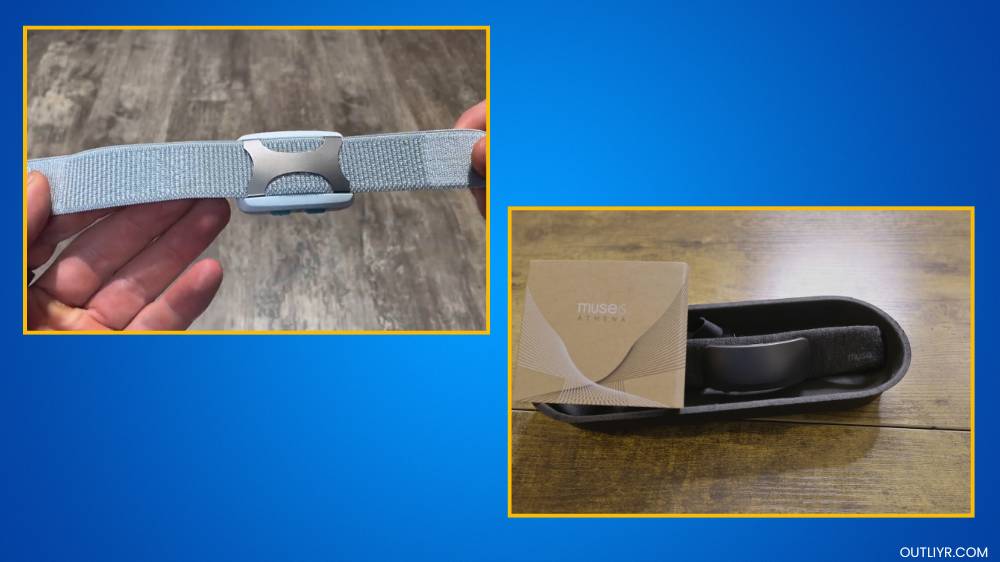
- Muse Athena headband: A neurofeedback device using EEG sensors with a “digital sleeping pill” mode that plays special frequencies while reading your brain waves to help you fall back asleep and stay asleep
- Vagus nerve stimulators: Tools like Hoolest VeRelief Prime that provide small amounts of stimulation with different modes (panic, performance, stress, unwinding) to actively help optimize nervous system balance rather than just measuring it
These wearables still collect data but utilize it to give you a better experience without requiring additional effort on your part.
2. Air & water quality optimization ahead of diet
Two of the most important biological inputs we consume constantly get little attention: water and air.
Experts have long put diet among the most important determinants of health. “Best diet” dogma aside, that requires you to deliberately swap your favorite foods with clean foods. Every meal.
Benefits of upgrading your water and air, however, accrue almost completely passively. You simply replace tap/shower water with a better version. Your air filter works automatically in the background.
Why do they even matter?
The interaction of water with non-water molecules is the basis of life, yet this remains one of the lesser explored facets of human biology. Here’s my full guide to deep cellular hydration if you want to learn more.
Upgrading air quality in your environment matters too. The air we breathe contains particulate matter (PM2.5, PM5, PM10), mycotoxins, endocrine-disrupting chemicals, microplastics, and other contaminants that can cause negative biological shifts.
Simply installing a high-quality air filter in the bedroom can dramatically improve:
- Sleep quality
- Recovery scores
- Time to fall asleep
- Nighttime awakenings
- Minimum resting heart rate
- Heart rate variability
Recent natural disasters like wildfires and smoke exposure have made clear that unhealthy air doesn’t just increase long-term disease risk but has immediate and midterm effects like headache, decreased cognition and increased stress load.
For air quality, start with your whole home filtration system or HVAC.
Get high-quality filters rated for your system and change them regularly. This is much less expensive than fancy air purifiers and provides a very high return on investment. To take it to the next level, you can get an air scrubber like this one.
3. Multi-wavelength photobiomodulation (advanced light therapy)
Photobiomodulation (light therapy) is another fringe-to-mainstream biohack. Until about 2024, manufacturers of light therapy panels relied specifically on only a few different bands of light (wavelengths).
Specifically, red light at 630-660nm (most commonly at 630nm), and near infrared at 810nm-850nm (most commonly at 850nm).
Like with food, research suggests that the best results come from combining multiple spectrums of light instead of isolating and concentrating one spectrum.
Previous generations of panels contained 1-2 wavelengths. Newer higher-end panels often have 4-6 different wavelengths all in one device.
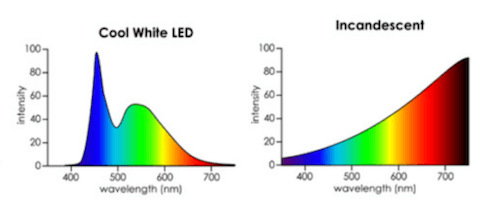
Anyone with a light spectrometer will confirm that natural sunlight contains a smooth balance of different wavelengths. The best healthy indoor lighting mimics it.
Powerful light therapy panels of the future will closely mimic natural sunlight Share on XHigh-tech devices will let you dynamically adjust the program:
- Dial up red light in the morning
- Dial down blue light at certain times
- Add a bit of UVB and UVA to get extra nitric oxide release and stimulate vitamin D production
- Blast yourself with certain types blue light in the morning for circadian rhythm entrainment and proper morning cortisol response
- Increase infrared to accelerate recovery
Future light therapy devices will have more context built into them and let you mimic different parts of the sun to harness particular benefits.
Before getting your own device, you’ll want to understand how to properly dose red light therapy.
4. “Digital Twins” for personalized health modeling
A digital twin is a virtual copy of a real-world object, system, process, or human that mirrors it using real-time data.
The digital version updates as the real one changes so you can monitor, simulate, and most importantly, predict behavior without ever touching or modifying the physical version.
For health applications, this means being able to model what a specific behavior would look like if done every single day for 10 years.
For example, what would happen if you picked up a drinking habit and had that “healthy” glass of wine every single night? The digital twin would make those long-term effects clear.
It’s a way of personalizing interventions across any domain and seeing what they do in the short, mid, and long term.
While it sounds sci-fi, digital twins are already used in healthcare, smart cities, automotive and aerospace industries, building and manufacturing. The improvements in AI and technology will soon make this accessible to the average person without a massive budget
What makes this particularly interesting is it helps take hypotheses and the latest research findings from abstract theory into direct behavior change (and provides a good source of motivation).
5. Multi-sensor continuous health monitors replace CGMs

Continuous monitors report important health biomarkers in real-time. Traditionally, many of these measurements were either expensive, time consuming, or required a blood work panel.
The first medical-grade continuous monitors were the continuous glucose monitors (CGMs). They started becoming popular in the biohacking world around 2017-2018, as non-diabetics began using them to understand how their body responds to different foods and lifestyle habits.
CGMs had three main issues initially:
- They were fairly expensive when introduced (though costs have now gone down significantly)
- They only measured blood glucose specifically (technically interstitial glucose)
- This caused people to over-index on glucose response to meals and lifestyle interventions (still an issue)
Glucose is one component, but there’s much more to health than just blood sugar. This trend is the ability to incorporate data from multiple different sensor types and overlay it all into one view.
Instead of just seeing blood sugar on a graph, you can see a graph that contains other things like blood ketone levels.
Soon there will probably be continuous insulin monitors, and perhaps down the line, blood testosterone and other hormone monitors as well.
When you have multiple continuous sensors, you get a much better, cleaner, and more actionable picture of what’s going on. These continuous monitoring technologies are only getting more useful over time.
6. Mental fitness becomes the “bicep curl of the brain”
The pop culture idea of engaging in fitness for fun and health purposes is actually fairly new.
While recreational physical fitness roots date back to ancient Egyptian and Greek days (or before), modern gym culture really only began in the 20th century.
Now fitness is generally recognized as a crucial staple in any health and wellness program.
In the 21st century, the idea of mental fitness is becoming the correlate of physical fitness.
As we’re inundated by more algorithms, more short-form viral content, everything becomes faster and more fragmented, and the threat of AI looms ever larger.
There’s now increasing interest in the concept of mental fitness. There are many ways to train your brain. One of the best is neurofeedback therapy.
Ways to train mental fitness include:
- Meditation
- HRV Other forms of biofeedback
- Challenging mental tasks that require complete focus
Mental fitness focuses on training your cognition, attention, emotional regulation (something like box breathing), and overall resilience. Beyond 2026, mental fitness will become as normalized as cardio has become for physical fitness.
7. New peptide delivery systems & peptide mimetics
There is widespread concern that therapeutic peptides will become inaccessible due to patents on products like Ozempic, Mounjaro, and now Retatrutide.
There’s been an explosion in research around these, specifically around novel delivery mechanisms, unique formulations, and related small molecules.
In recent years, certain companies started selling peptides in various forms:
- Traditional oral capsules
- Injectables
- Transdermal formulations
- Nasal sprays
- Peptide strips that you can put on your tongue and let dissolve
Some of these technologies are still in their infancy, but they will only continue to grow as injectables become harder to procure.
Additionally, peptide mimetics or other molecules that are like classic peptides are becoming a thing. If they get banned, here are the best therapeutic peptide alternatives you could use instead.
There are a couple mimetics currently in development, though they’re still too new to discuss in detail. You’ll likely hear more about these in 2027.
8. Diet reform targets ultra-processed foods & metabolic health
Diet is the most divisive topic in health optimization. When I started compiling this list in December, it seemed clear there would be some reforms to the food system.
Recently (January 2026), the government released new recommendations on what you should eat.
The current administration seems likely to continue along this path and increase regulations around ultra-processed foods.
Even just the name “ultra-processed” has sparked debate in the scientific community about what constitutes ultra-processed.
The focus appears to be targeting particularly hyper-palatable food engineering.
Big food companies have entire teams tasked with finding the most profitable combinations of food ingredients to keep you hooked on their product because economically it makes the most sense.
Some marketing brazenly tells you “you can’t have just one” because it’s biochemically addictive.
This type of food engineering seems to be under fire currently in the name of metabolic health.
Metabolic health refers to how effectively your body takes inputs such as food and drink and turns them into biological substrates (glucose, lactate, fatty acids, ATP, and others).
The goal of this regulation is to reduce the incidence of metabolic disease, which could also reduce the incidence of related conditions such as type 2 diabetes.
Performance doesn’t stem from simply progressively working harder.
Gains come from recovery, repair, and regeneration after stress or workouts. Not from the sessions themselves.
Many popular technologies on this list work primarily by improving recovery:
- Multi-wavelength light panels
- Improved water & air filtration
- Sleep optimization
- Peptides
- Vagus nerve stimulators
- Neurofeedback & biofeedback
Sauna therapy, cold plunges, compression gear, KAATSU, and many others could easily fit the list of recovery gear. In fact, I compiled a list of the best ways to biohack recovery.
Why?
It’s often the most imbalanced health pillar in modern living. Fix your recovery and your performance can follow.
10. Nervous system regulation as the master lever
The autonomic nervous system regulates automatic bodily responses and has three branches: sympathetic (fight or flight), parasympathetic (rest and digest), and enteric.
The nervous system shapes immune responses, inflammation, and stress responses. Stress, often called the root of all disease, actually depends on the state of the nervous system.
What most people don’t realize is that the nervous system directs and shapes your entire life perception.
Your experience of life depends on your nervous system orientation. It's why some people watch fireworks and experience the highlight of their night, while someone else watching those same fireworks has a panic attack. Same stimulus, two… Share on XStressors of all sizes.
Even everyday micro-stressors matter: walking down a sidewalk and seeing a car whiz by creates micro stress responses based on proximity, speed, and relative size.
Stress burns bodily resources, even when you don’t consciously perceive the stress.
The nervous system is one of the few bodily systems we have direct access to and can directly modulate.
Tools like HRV training, vagus nerve stimulation, somatic work, hot-cold contrast therapy, breathwork, and certain forms of meditation all train nervous system resilience.
When you build nervous system regulation, everything in life becomes either easier, more effective, or both. The Neuro-Energetic Loop is the ideal way to start breaking habits, improving sleep, managing anxiety, addressing burnout, increasing energy, and enhancing happiness.
Work on your nervous system first and foremost, and everything else is more likely to fall into place easier.
11. Women’s health optimization catching up
Biohacking for women is finally getting the recognition it has long deserved.
For decades, scientific research excluded women. Leading to bad recommendations, inaccurate dosing protocols, and poor understanding of adverse effect frequency.
The same “healthy” interventions often affect male and female physiology differently.
Fortunately, this is now finally starting to change. The tech ecosystem around women’s health tools, platforms, and technologies is growing very rapidly.
The market is experiencing a correction, which will translate into better, more consistent, and more reliable health optimization information for women.
Topics like infradian rhythms, different biological cycles, and hormonal and neuroendocrine changes will become better understood in 2026 and beyond.
12. Bio-optimization travel & immersive health experiences
For most of the world, vacations have historically been a time to disconnect from work and connect around booze. Enjoying beaches, mountains, or novel destinations.
A small subset of the population used travel as “medical tourism.” In other words, going abroad to access interventions that are unavailable or cost-prohibitive in the US.
That segment has grown and evolved as health optimization has become a social endeavor.
Beyond normal vacations, people now travel for:
- Biological resets
- Physiological training
- Recovery intensives
- Comprehensive, thorough diagnostics
- Advanced medical procedures
It’s still tourism and vacation, though the definition has changed.
This represents a cultural shift from health and wellness conforming to lifestyle, to lifestyle conforming to the pursuit of optimal health.
Whichever route you go, this guide will help you biohack travel so that you get more out of your experience.
13. Moving from one-off biohacks to systems-level health optimization
Tools, tactics, ingredients, and protocols surround us and it’s not immediately clear the net value of each.
Each intervention has its constellation of benefits, but they also come with less obvious side effects and interactions.
Then the layers of context and current personal state further complicate the potential net effect.
So how do you determine what today helps and what doesn’t?
You take a systems-level approach to optimization. You implement tools that automatically collect data. You upload blood labs, wearable data, genetic test results, body composition changes, etc. You add your goals, personal notes and life experiences.
The result?
Before purchasing any designer supplement or fancy biohack, you have an accurate model of how it will impact you.
You find redundancies, discover entourage effects (things that complement each other and work better together), and ensure you’re moving toward the right endpoints and goals.
This prevents your lifestyle, routine, and stacks from getting bloated with things that cost time, energy, and resources without providing a large return.
The technology powering individualized systems biology is now much more accessible than ever before and several startups are working to bring it to market.
Simply put: better decisions, better life.
Common Questions Around The Latest Biohacking Trends
Let’s address some frequently-asked questions around these trends.
Which biohacking trend should beginners start with?
Nervous system regulation is the ideal starting point for beginners. It’s the “master lever” that makes everything else easier and more effective. Your nervous system shapes your entire life perception, stress responses, and even immune function.
Then simple, accessible practices like breathwork, cold showers, and basic meditation can train nervous system regulation without requiring expensive equipment.
What’s the difference between active wearables & regular fitness trackers?
Regular trackers simply record what’s happening (like last night’s sleep quality) and leave you to figure out what to do about it. Active wearables take action in real-time to improve outcomes.
Think of it this way: a Fitbit tells you that you slept poorly, while an Eight Sleep mattress adjusts temperature during the night to deepen your sleep.
Why does systems-level health optimization matter?
Systems-level optimization means combining baseline diagnostics with interventions, then layering on modeling and iteration rather than randomly piecing together tools and tactics from various sources that might conflict with each other.
This approach helps you optimize at the system level instead of focusing on isolated parts.
Biohacking the Future: What’s Next?
Humanity is at a fork.
On one hand, humans have never been sicker.
On the other, we have more tools, technology, and knowledge at our disposal than ever before.
That’s on the aggregate population level.
Zoom in, and things look promising. Anyone interested today can dramatically improve the way we look, feel, and perform.
The things mentioned in this article are some of the many popular biohacking trends that may shape the future years to decades down the line. Use this list to choose topics and trends to research. Test what you learn.
People are different.
Biohacking is about determining what works for you.
What biohacking developments are you most interested in? Let me know in the comments below.
This was a super helpful and super thorough article. Thank you!
Thank you, Carolyn!
Hi Nick what is the name of that yellow device you have
Hi! I’m not sure if it is still produced, but it’s called the Neuron Queen.