

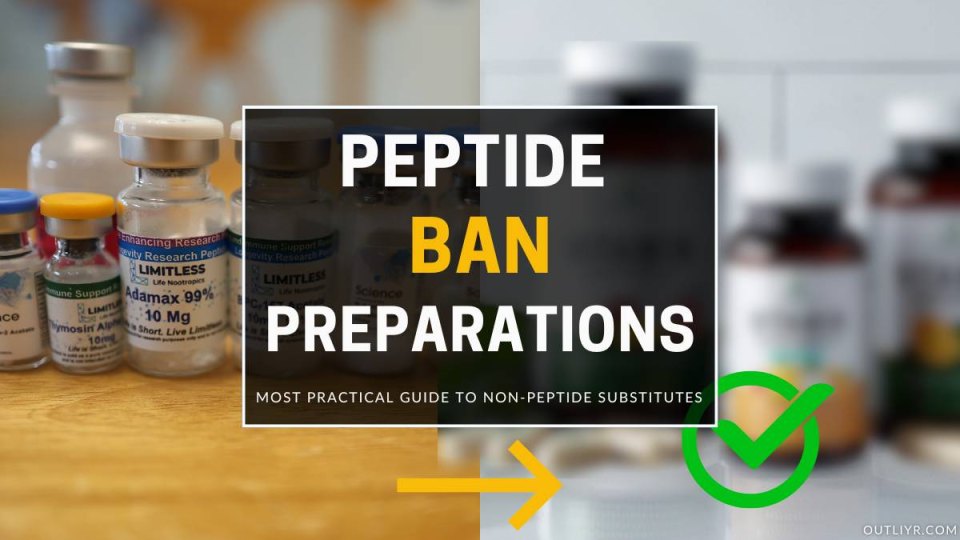
Therapeutic peptides are becoming harder to access. Clinics are pulling products, vendors are delisting SKUs, and compounding pathways that existed for years are quietly closing.
If you’ve relied on peptides like semaglutide, tirzepatide, retatrutide, BPC-157, ipamorelin, CJC-1295, or TB-500, you might wonder what works when these peptides are no longer an option.
This guide answers that question directly.
It maps the most commonly used therapeutic peptides to evidence-based, non-peptide alternatives you can still use legally and realistically.
These are small molecules, supplements, and passive interventions, organized by effect, safety, and risk tolerance.
These substitutes are not perfect replacements. In many cases, they’re weaker. In others, they’re slower. A few are riskier. That tradeoff is unavoidable.
What this article does not cover are collagen peptides, cosmetic skincare peptides, black-market sourcing, or clinic-only procedures.
Therapeutic peptide access is rapidly tightening. FDA banned compounding of BPC-157, TB-500, CJC-1295, Ipamorelin, and 10+ others in 2024
This Outliyr guide covers therapeutic peptides, not collagen peptides, therapeutic peptides target appetite, healing, growth hormone; collagen peptides are protein supplements
All alternatives are non-peptides – small molecules, supplements, or devices; no peptide substitutes another peptide
Outliyr uses a 3-tier system: Tier 1 = highest safety, OTC; Tier 2 = stronger effects, often Rx; Tier 3 = highest upside + risk
Berberine delivers 2–4kg weight loss vs 15% body weight with semaglutide
MK-677 is the only oral non-peptide GH secretagogue. NOT FDA approved, carries cardiac + hyperglycemia risks
Red light therapy (630–850nm) replaces wound-healing peptides passively, 10–20 J/cm² doses, <15 min/day
How The 3-Tier Alternatives System Works
I follow a system to determine the best alternatives for different peptides. Here’s how it generally goes:
Tier 1 Conservative: Highest safety, minimal side effects, OTC, moderate effects. Best starting point.
Examples:
- Berberine
- Curcumin
- Red light
- Fiber
- Bioregulators
- Omega-3s
Tier 2 Intermediate: Stronger effects, sometimes Rx, narrower safety window. Medical supervision recommended.
Examples:
- Metformin (Rx)
- MK-677
- TUDCA
- Methylene blue
- High-dose NMN
- Hyperbaric Oxygen Therapy (HBOT)
Tier 3 Aggressive: Highest upside + downside. Experimental or serious contraindications. NOT recommended without MD oversight.
Examples:
- long-term MK-677
- Tesofensine
- 9‑Me‑BC
- Sunifiram
J147
This system keeps everything simple. Identifying the peptide then qualifying the alternatives that give the same benefit (although sometimes not as potent).
Peptide Alternatives Quick Reference Table
Here’s an overview table for the peptides we’ll cover and some.
| 🧬 Peptide | 🎯 Primary Goal | 🟢 Tier 1 Best | 🟡 Tier 2 Best | 🔴 Tier 3 Best |
|---|---|---|---|---|
| BPC-157 | Wound healing, gut repair | Red light 630–850nm | TUDCA 500–1500mg | Growth hormone (Rx) |
| Semaglutide/Tirzepatide | Appetite, weight loss | Berberine 1g + fiber 30g | Metformin 1500–2000mg (Rx) | Qsymia (Rx) |
| Ipamorelin | GH pulsing, recovery | Glycine 3g before bed | MK-677 10–25mg | MK-677 long-term |
| Tesamorelin | Visceral fat reduction | Berberine 1g + EGCG 600mg | MK-677 10–25mg | MK-677 + Metformin |
| CJC-1295 | GH stimulation, recovery | Glycine 3g + colostrum 40g | MK-677 10–25mg | MK-677 + HGH (Rx) |
| Thymosin Alpha-1 | Immune function | Vitamin D 5000IU + zinc 30mg | LDN 3–4.5mg (Rx) | N/A |
| TB-500 | Tissue repair, recovery | Red light + curcumin | HBOT + TUDCA | Growth hormone (Rx) |
We’ll also discuss specific alternatives to other top peptides like GHK-Cu, nootropics, and more below.
Top Non-Peptide Replacements to the Best Therapeutic Peptides
Let’s explore some of the most popular peptides and their alternatives, stratified by risk-to-reward tier.
Note on bioregulators: This article includes a few Russian “bioregulator” peptides (ie, Epithalamin, Thymalin, Suprefort/Pancragen, Cartalax, Ventfort) inside Tier 1 because they behave more like gentle, organ-targeted micronutrients than high-octane performance peptides.
Decades of clinical use, especially with Epithalamin and Thymalin in adults, suggest near zero toxicity and mortality while providing benefits. So they’re treated as conservative, foundational options rather than aggressive experimental tools.
Bioregulators are also less of a regulatory target. On to the common peptide alternatives.
BPC-157 Alternatives
BPC-157 earned a reputation for accelerating wound healing especially in ligaments, tendons, and gut lining, while reducing systemic inflammation. Think tissue + gut barrier repair.
Athletes and biohackers used it for everything from torn rotator cuffs to leaky gut. FDA banned compounding in 2024 (FDA, USADA).
| 📊 Tier | 🔬 Alternative | 💊 Route | ⚙️ Mechanism (One Line) | 📝 Notes |
|---|---|---|---|---|
| Tier 1 | Red light therapy (630–850nm) | Local / whole‑body | Increases ATP and collagen synthesis in exposed tissues | Best non‑invasive tech for tendon/ligament/skin healing. |
| Curcumin 500–1000mg | Oral | Inhibits NF‑κB/COX‑2, lowers inflammatory signaling | Supports systemic and local tissue healing; use bioavailable forms. | |
| Omega‑3 2–4g | Oral | Anti‑inflammatory, membrane stabilization | Joint, tendon, and general repair support. | |
| Collagen + vitamin C | Oral | Provides structural amino acids + cofactor for collagen | Baseline substrate support for connective tissue repair. | |
| 🧬 Cartalax | Oral / injectable | Cartilage bioregulator altering chondrocyte gene expression | Joint/cartilage repair; very safe, long‑term use. | |
| Tier 2 | TUDCA 500–1500mg | Oral | Bile acid improving ER stress and gut barrier integrity | Gut healing, leaky gut, bile‑related issues. |
| NAC 1200–1800mg | Oral | Glutathione precursor, antioxidant | Protects tissues under oxidative stress; supports recovery and liver. | |
| HBOT (Hyperbaric oxygen) | In‑clinic | Increases tissue oxygen tension and angiogenesis | Gold‑standard for severe wounds; expensive/time‑intensive. | |
| Tier 3 | Prescription GH / IGF‑1 | Injectable | Directly stimulates anabolic and repair pathways | Strong tissue‑healing effects; high cost and risk profile. |
| SARMs (Ostarine, etc.) | Oral | Increase muscle and improve joint loading tolerance | Indirect orthopedic/rehab benefit; endocrine suppression and risk. |
Red light therapy is the closest match for external wound healing without injections (Springer, PMC, PMC, Frontiers). Position the device over the injury for 10-15 minutes, and tissue repair accelerates.
This works great for tendon injuries, surgical wounds, and skin damage. Doesn’t help with internal gut healing so that’s where supplemental TUDCA and other interventions shine.
Curcumin won’t heal as fast as BPC-157 but delivers measurable improvements in wound closure and tissue quality (PMC). Needs bioavailability enhancers.
Stack ideas:
- Conservative wound healing: Red light (10min/day) + curcumin + zinc
- Gut-focused: TUDCA + NAC + probiotics + fiber
- Advanced: HBOT + TUDCA + at-home red light
Key contraindications: Red light (photosensitivity, skin cancer), curcumin (gallbladder obstruction), & TUDCA (bile duct obstruction).
Semaglutide, Tirzepatide & Retatrutide (GLP) Alternatives
Semaglutide, tirzepatide and retatrutide deliver impressive 10–20% body weight reduction, blood sugar stability, craving control, and cardiovascular benefits.
They have downsides, like a cost of $900–1,500 monthly without insurance.
| 📊 Tier | 🔬 Alternative | 💊 Route | ⚙️ Mechanism (One Line) | 📝 Notes |
|---|---|---|---|---|
| Tier 1 | Berberine 1 g | Oral | AMPK activation, mild GLP‑1 increase | ~2–4 kg (4–9 lb) weight loss over 3+ months; improves insulin sensitivity |
| Soluble fiber 25–35 g | Oral | Increases GLP‑1/PYY, slows gastric emptying | Natural appetite control and lipid improvements | |
| Omega‑3 2–4 g | Oral | Improves incretin signaling, lowers inflammation | Quality and freshness matter for effect profile | |
| Protein 1.6–2 g/kg | Oral | Increases satiety hormones, preserves lean mass | Foundation for any lasting weight loss | |
| 🧬 Suprefort / Pancragen | Oral (bioregulators) | Pancreas peptides normalizing islet gene expression | Very safe; long‑term support for glucose and insulin dynamics | |
| Tier 2 | Metformin 500–2000 mg (Rx) | Oral | AMPK activation, GLP‑1 increase, hepatic glucose reduction | ~2–3 kg weight loss; strong metabolic benefits; monitor B12 |
| SGLT2 inhibitor (empagliflozin, etc., Rx) | Oral | Increases urinary glucose excretion | Modest weight loss; cardiovascular and renal benefits in diabetics | |
| 5‑Amino‑1MQ | Oral | NNMT inhibition → improved NAD+ balance, increased fat oxidation | Research chemical; used for recomp and stubborn fat | |
| T2 (3,5‑diiodo‑L‑thyronine) | Oral | Thyroid metabolite increasing energy expenditure and WAT browning | Sold as a supplement; rodent data show higher EE and better muscle insulin sensitivity | |
| L‑Carnitine (injectable) | IM / SC | Enhances fatty acid transport into mitochondria | Supports fat oxidation and endurance; used in clinical metabolic stacks | |
| Amlexanox | Oral | IKKε/TBK1 inhibition reducing adipose inflammation | Obesity models show weight loss, improved insulin sensitivity, and more thermogenesis | |
| SLU‑PP‑332 ⚠️ | Oral | ERRα/β/γ agonist acting as an exercise mimetic, increasing mitochondrial function and EE | Very experimental; animal and early human data only | |
| Orforglipron (investigational) | Oral | Non‑peptide GLP‑1 receptor agonist | Late‑stage trials; oral GLP‑1 candidate | |
| Tier 3 | Tesofensine | Oral | Triple monoamine reuptake inhibition with strong appetite suppression | Human trials show ~10%+ weight loss; stimulant‑like and cardiovascular side effects |
| Yohimbine HCl | Oral | Alpha‑2 antagonism mobilizing resistant fat | Often used by lean individuals; anxiety and BP spikes possible | |
| Cardarine (GW501516) ⚠️ | Oral | PPARδ agonism shifting metabolism toward fat use | Strong endurance and fat‑oxidation effects; cancer signal in rodents; banned in sport | |
| Albuterol | Oral / inhaled | Beta‑2 agonism with mild thermogenic and anti‑catabolic effects | Off‑label cutting use; tachycardia and tremor risk |
Berberine gets marketed as “Nature’s Ozempic” but produces 7X less weight loss (4 lbs vs 30 lbs average) with a 3-month buildup period. Bioregulators are reliable very short chair peptides that give results.
Some of the other small molecules like SLU‑PP‑332, 5-Amino-1MQ, T2, and tesofensine are commonly used today by biohackers but have very little backing by data.
These won’t suppress appetite powerfully but improves insulin sensitivity and blood sugar. Soluble fiber increases natural GLP-1 production slower and gentler than injections but with zero side effects.
For aggressive weight loss, the tier 3 substances can help but carry significant risk (and I recommend avoiding them).
Stack ideas:
- Conservative: Berberine + fiber + omega-3 + intermittent fasting
- Moderate: Metformin (Rx) + berberine + protein 1.6g/kg
- Aggressive: Cardarine + tesofensine
Key contraindications: Berberine (pregnancy, drug interactions), metformin (eGFR <30).
Ipamorelin Alternatives
Ipamorelin produces GH pulsing without affecting cortisol (like GHRP-6 does), making it ideal for recovery, sleep, and lean mass maintenance (PubMed).
FDA banned the compounding of it in 2024. Here are some alternatives.
| 📊 Tier | 🔬 Alternative | 💊 Route | ⚙️ Mechanism | 📝 Notes |
|---|---|---|---|---|
| Tier 1 | Glycine 3g before bed | Oral | Sleep quality ↑, modest GH | Very safe; improves onset |
| Colostrum 20–60g | Oral | IGF-1, growth factors | Modest gains; dairy risk | |
| Quality sleep 7–9hr | Behavioral | GH pulses in deep sleep | Essential for natural GH | |
| Tier 2 | MK-677 5–25mg | Oral | Ghrelin receptor agonist | IGF-1 ↑ 36–55%; not approved |
| Creatine 5g + training | Oral + behavioral | Muscle performance | Well-established, safe | |
| Tier 3 | MK-677 long-term (>6 months) | Oral | Extended GH elevation | Cardiac, insulin resistance |
Glycine improves sleep quality, which indirectly boosts GH since most pulses occur during deep sleep (PMC). The GH effect is subtle but safe.
Colostrum provides steady low-dose growth factors throughout the day nutritional support rather than pharmacologic stimulation (PMC). Here’s a guide to the best colostrum supplements.
MK-677 is the only true ipamorelin replacement, it directly triggers GH pulses and increases IGF-1 by 36–55%. But it’s not FDA approved, increases appetite dramatically, and carries cardiac + hyperglycemia risks. Two-year trials showed sustained lean mass but insulin resistance developed.
Stack ideas:
- Conservative: Glycine 3g + colostrum 40g + sleep optimization
- Moderate: MK-677 12.5mg + creatine + protein 2g/kg
- Never stack MK-677 with insulin as it causes severe hypoglycemia risk
Key contraindications: MK-677 (cancer, diabetes, CHF) & colostrum (dairy allergy).
Tesamorelin Alternatives
Tesamorelin targets visceral fat reduction and body composition effectively (FDA-approved for HIV lipodystrophy at $3000–5,000/month). Yet it’s one of the best overall therapeutic peptides.
Compounded versions face Category 2 bans.
| 📊 Tier | 🔬 Alternative | 💊 Route | ⚙️ Mechanism (One Line) | 📝 Notes |
|---|---|---|---|---|
| Tier 1 | Berberine 1g | Oral | AMPK activation, inhibits adipogenesis | Modest weight loss with preferential visceral fat improvements when paired with diet and training. |
| Soluble fiber 25–35g | Oral | Increases SCFA → GLP‑1, PYY | Supports visceral fat loss via appetite control and insulin sensitivity. | |
| EGCG 400–800mg | Oral | Increases norepinephrine and fat oxidation | Small but real effects on abdominal fat; monitor liver tolerance at high doses. | |
| Resistance training + caloric deficit | Behavioral | Mobilizes visceral fat and improves insulin sensitivity | Core intervention; Tesamorelin trials also assume lifestyle baseline. | |
| 🧬 Suprefort / Pancragen | Oral (bioregulators) | Pancreas peptides normalizing islet/metabolic gene expression | Very safe; long‑term support for glucose/insulin handling. | |
| Tier 2 | Metformin 1500–2000mg (Rx) | Oral | AMPK activation, hepatic glucose ↓ | 2–3kg loss with CT/MRI‑confirmed visceral fat reduction; first‑line metabolic drug. |
| MK‑677 (Ibutamoren) 10–25mg | Oral | Ghrelin receptor agonist → GH/IGF‑1 ↑ | GH‑axis stimulation closer to Tesamorelin; increases appetite, can worsen glucose and cause edema. | |
| 5‑Amino‑1MQ | Oral | NNMT inhibitor enhancing NAD+ and fat oxidation | Advanced RC for body recomposition; some preferential central fat effects reported. | |
| T2 (3,5‑diiodo‑L‑thyronine) | Oral | Increases energy expenditure, browns white adipose tissue | Thyroid metabolite used as a biohacking fat‑loss supplement; impacts HPT axis at higher doses. | |
| L‑Carnitine (injectable) | IM/SC | Enhances fatty acid transport into mitochondria | Often stacked in IV/IM “fat burner” protocols, especially for endurance and VAT. | |
| Amlexanox | Oral | Lowers adipose inflammation, restores catecholamine response | Targets inflamed, catecholamine‑resistant fat seen in obesity/metabolic syndrome. | |
| SLU‑PP‑332 ⚠️ | Oral | ERR pan‑agonist “exercise mimetic”, increases oxidative metabolism | Very experimental; preclinical data show enhanced endurance and reduced fat mass via mitochondrial remodeling. | |
| Tier 3 | Cardarine (GW501516) ⚠️ | Oral | PPARδ agonist shifting fuel preference to fat | Potent endurance and fat‑oxidation tool; rodent cancer signal and WADA ban make this a high‑risk choice. |
| SARMs (Ostarine, LGD‑4033, etc.) | Oral | Selective AR agonists increasing lean mass | Indirectly support VAT reduction via added muscle and improved insulin sensitivity; suppress HPT axis, long‑term safety unknown. | |
| Tesofensine | Oral | Triple monoamine reuptake inhibitor reducing appetite and energy intake | Mainly an appetite/weight‑loss tool; can be used when total weight reduction is also a goal, but mechanism is different from Tesamorelin’s GH pathway. |
Berberine targets visceral fat preferentially but delivers inches off waist over months: not the dramatic reductions tesamorelin produces (PMC). It’s OTC and affordable.
Green tea extract adds complementary fat oxidation. MK-677 is the closest mechanistic match but increases appetite, which sabotages fat loss goals.
Metformin appears to reduce visceral fat, at least in CT/MRI studies (PMC).
Stack ideas:
- Conservative: Berberine + EGCG + resistance training
- Moderate: Metformin (Rx) + berberine + omega-3s
- Aggressive: MK-677 + metformin (MD supervision: metformin counteracts hyperglycemia)
Key contraindications: MK-677 (cancer, diabetes), metformin (eGFR <30), & EGCG (liver conditions at high doses).
CJC-1295 Alternatives
CJC‑1295 is about sustained GH release, often stacked with Ipamorelin for body recomposition and recovery.
Like many others, FDA banned compounding in 2024.
| 📊 Tier | 🔬 Alternative | 💊 Route | ⚙️ Mechanism (One Line) | 📝 Notes |
|---|---|---|---|---|
| Tier 1 | Glycine 3g before bed | Oral | Improves deep sleep and GH pulse quality | Baseline GH‑support supplement; very safe. |
| High‑quality sleep 7–9 hours | Behavioral | Maximizes natural nighttime GH secretion | Essential; CJC‑like benefits are blunted without it. | |
| Resistance training (heavy) | Behavioral | Stimulates endogenous GH/IGF‑1 | 2–4x/week heavy compound lifts support GH axis. | |
| Colostrum 20–60g | Oral | Provides growth factors and supports gut/immune | Mild anabolic and recovery support. | |
| Creatine 5g | Oral | Increases phosphocreatine for performance | Improves training capacity, indirectly supporting GH adaptations. | |
| Tier 2 | MK‑677 (Ibutamoren) 10–25mg | Oral | Ghrelin receptor agonist → GH/IGF‑1 ↑ | Strong GH secretagogue; appetite and glucose side effects possible. |
| Tier 3 | SARMs (Ostarine, LGD‑4033, RAD‑140, etc.) | Oral | Selective AR agonists for muscle/bone | High‑impact body‑comp tools; suppress HPT; advanced use only. |
CJC-1295’s main advantage was extended GH release dramatically (PMC). No oral non-peptide replicates this prolonged action.
Glycine + colostrum provides mild GH support through sleep optimization and growth factors (PMC, PMC).
MK-677 delivers similar IGF-1 increases but requires daily dosing and carries appetite/glucose risks.
Stack ideas:
- Conservative: Glycine 3g + colostrum + sleep hygiene + resistance training
- Moderate: MK-677 10mg + creatine + ZMA
- Aggressive: MK-677 + prescription HGH (MD supervision, expensive, risky)
Key contraindications: MK-677 (cancer, uncontrolled diabetes, CHF).
Thymosin Alpha-1 (TA-1) Alternatives
Thymosin alpha-1 modulates immune function, popular for chronic infections, autoimmune conditions, and cancer adjunct therapy.
FDA banned compounding in 2024.
| 📊 Tier | 🔬 Alternative | 💊 Route | ⚙️ Mechanism | 📝 Notes |
|---|---|---|---|---|
| Tier 1 | Vitamin D 5000IU | Oral | T-cell modulation, immune support | Safe, affordable, well-studied |
| Zinc 30–50mg | Oral | Thymic function, T-cell development | Essential mineral | |
| Beta-glucans 500mg | Oral | Immune cell activation | Mushroom extracts | |
| Elderberry extract | Oral | Antiviral, immune support | Mild effects | |
| Tier 2 | LDN 3–4.5mg (Rx) | Oral | Endorphin modulation, immune balance | Off-label for autoimmune |
| Transfer factor | Oral | Immune memory transfer | Limited human data | |
| High-dose vitamin C IV | IV infusion | Immune enhancement, oxidative stress | Requires clinic visits |
No single non-peptide replicates thymosin alpha-1’s specific effects on T-cells.
Vitamin D modulates T-cell function broadly and improves immune surveillance which is foundational but not targeted (PMC). Zinc supports thymic function where thymosin alpha-1 acts. Beta-glucans activate innate immunity through different pathways.
LDN (low-dose naltrexone) shows promise for autoimmune conditions through endorphin modulation. Different mechanism, but some overlapping applications. Requires prescription and medical oversight.
Stack ideas:
- Conservative: Vitamin D 5000IU + zinc 30mg + beta-glucans + quality sleep
- Moderate: LDN (Rx) + vitamin D + zinc + transfer factor
- Aggressive: High-dose vitamin C IV + LDN (medical supervision)
Key contraindications: Zinc (copper depletion long-term) & LDN (opioid use, liver disease).
TB-500 (Thymosin Beta-4) Alternatives
TB-500 accelerates systemic tissue repair, angiogenesis, reduces inflammation, improves flexibility, and supports vascular health. Athletes used it for injury recovery.
The FDA banned compounding it in 2024.
| 📊 Tier | 🔬 Alternative | 💊 Route | ⚙️ Mechanism (One Line) | 📝 Notes |
|---|---|---|---|---|
| Tier 1 | Red light therapy (630–850nm) | Local / whole‑body | Stimulates ATP and collagen in superficial tissues | Excellent for tendons, ligaments, superficial muscle. |
| Curcumin 500–1000mg | Oral | Broad anti‑inflammatory and mild antifibrotic effects | Helps with chronic joint/tendon inflammation. | |
| Omega‑3 2–4g | Oral | Anti‑inflammatory, improves vascular function | Supports joint and vascular health. | |
| 🧬 Cartalax | Oral / injectable | Cartilage bioregulator | Specifically joint/cartilage structure and function. | |
| 🧬 Ventfort | Oral / injectable | Vascular wall bioregulator | Targets microcirculation and vessel integrity, aligning with TB‑500’s angiogenesis theme. | |
| Tier 2 | HBOT | In‑clinic | Strong boost to tissue oxygenation and angiogenesis | Great for stubborn tendon injuries, non‑healing wounds. |
| TUDCA 500–1500mg | Oral | Reduces ER stress and supports liver/gut | Indirectly helps systemic inflammation and recovery. | |
| NAC 1200–1800mg | Oral | Potent antioxidant, supports detox and tissue protection | Broad recovery and tissue‑protection tool. | |
| Tier 3 | Prescription GH / IGF‑1 | Injectable | Systemic anabolic and repair stimulation | Closest “heavy” non‑peptide match; cost and side‑effects high. |
| SARMs (Ostarine, etc.) | Oral | Increase lean mass and reduce mechanical load on joints | Rehab/orthopedic adjunct; endocrine and safety concerns. |
TB-500’s unique flexibility and mobility improvements don’t translate to non-peptide alternatives. Red light + curcumin combo delivers measurable tissue repair for external injuries (Springer, PMC).
HBOT provides superior oxygenation for severe tissue damage but requires clinic access. Learn more about Hyperbaric Oxygen Therapy in this interview with Dr. Jason Sonners.
Systemic tissue remodeling requires more aggressive options like prescription growth hormone.
Stack ideas:
- Conservative: Red light + curcumin + resveratrol + omega-3s
- Moderate: HBOT + TUDCA + NAC
- Aggressive: Growth hormone (Rx) + red light (medical supervision)
Key contraindications: HBOT (untreated pneumothorax) & curcumin (gallbladder obstruction).
Sermorelin Alternatives
Sermorelin stimulates your own natural GH production, and it’s FDA-approved for pediatric GH deficiency but most often used off-label for anti-aging (PMC).
Compounded versions are starting to face restrictions.
| 📊 Tier | 🔬 Alternative | 💊 Route | ⚙️ Mechanism (One Line) | 📝 Notes |
|---|---|---|---|---|
| Tier 1 | Glycine 3g before bed | Oral | Improves slow‑wave sleep and GH pulse quality | Very safe; good baseline GH‑support habit. |
| High‑quality sleep 7–9 hours | Behavioral | Maximizes natural nighttime GH secretion | Foundational; no GH strategy works without this. | |
| Resistance training (heavy + compound lifts) | Behavioral | Strong stimulus for endogenous GH and IGF‑1 | 2–4x/week heavy lifting is a must for GH/body‑comp benefits. | |
| Colostrum 20–60g | Oral | Provides growth factors and immune support | Mild lean‑mass and recovery support; dairy intolerance possible. | |
| Tier 2 | MK‑677 (Ibutamoren) 10–25mg | Oral | Ghrelin receptor agonist → GH/IGF‑1 ↑ | Strong oral GH secretagogue; appetite ↑, can worsen glucose and cause edema. |
| Creatine 5g | Oral | Increases phosphocreatine for strength and performance | Indirect GH/IGF‑1 benefits via increased training load. | |
| Tier 3 | SARMs (Ostarine, LGD‑4033, RAD‑140, etc.) | Oral | Selective AR agonists in muscle/bone | Potent muscle/strength tools; suppress testosterone; advanced, high‑risk option. |
Sermorelin’s advantage over the other GH secretagogues was more naturally triggering natural pituitary GH release.
Glycine + colostrum work through similar “support natural production” philosophy but with much weaker effects (PMC).
Arginine stimulates GH release acutely but results are inconsistent and dose-dependent.
MK-677 is the only true oral replacement. It stimulates GH similarly to sermorelin but carries appetite and glucose risks (PMC).
Stack ideas:
- Conservative: Glycine 3g + arginine 5g + sleep optimization + training
- Moderate: MK-677 10mg + creatine + ZMA
- Never exceed 6 months MK-677 without medical oversight
Key contraindications: MK-677 (cancer, diabetes) & arginine (herpes outbreaks).
AOD-9604 Alternatives
AOD‑9604 is a fragment of growth hormone, primarily used for fat‑loss. Not for appetite like GLP‑1s and not for visceral‑specific reduction like Tesamorelin.
It was banned from compounding in 2024.
| 📊 Tier | 🔬 Alternative | 💊 Route | ⚙️ Mechanism (One Line) | 📝 Notes |
|---|---|---|---|---|
| Tier 1 | Berberine 1g | Oral | AMPK activation, improved insulin sensitivity | Modest body‑fat reduction; good metabolic foundation. |
| Soluble fiber 25–35g | Oral | Increases GLP‑1/PYY, slows gastric emptying | Supports lower calorie intake and better glycemic control. | |
| EGCG 400–800mg | Oral | Increases norepinephrine and fat oxidation | Mild thermogenic; monitor liver at higher doses. | |
| L‑Carnitine 2–3g | Oral | Enhances fatty acid transport into mitochondria | Supports fat use for fuel, especially with exercise. | |
| Tier 2 | L‑Carnitine (injectable) | IM/SC | High‑bioavailability FA transport to mitochondria | Common in clinic “fat burner” and performance stacks. |
| 5‑Amino‑1MQ | Oral | NNMT inhibition → better NAD+ balance, fat oxidation ↑ | RC used for “recomp” and stubborn fat; data still early. | |
| T2 (3,5‑diiodo‑L‑thyronine) | Oral | Increases energy expenditure, browns white fat | Thyroid metabolite sold as a fat‑loss supplement; can alter thyroid axis. | |
| Amlexanox | Oral | Lowers adipose inflammation, restores catecholamine response | Targets inflamed, catecholamine‑resistant fat. | |
| SLU‑PP‑332 ⚠️ | Oral | ERR pan‑agonist “exercise mimetic” | Very experimental; preclinical data show increased EE and reduced fat mass. | |
| Tier 3 | Cardarine (GW501516) ⚠️ | Oral | PPARδ agonist shifting metabolism to fat | Potent endurance and fat‑burn; rodent cancer signal, WADA‑banned. |
| SARMs (Ostarine, S‑4, etc.) | Oral | AR agonists improving lean mass | Indirectly support fat loss by raising muscle and NEAT; suppress HPT axis. |
AOD-9604’s unique advantage was fat loss without blood sugar impact. Berberine + EGCG combo targets fat oxidation with minimal glucose effects (PMC).
L-carnitine transports fatty acids to mitochondria for oxidation, works best during exercise.
No non-peptide delivers AOD-9604’s “targeted fat burning” without systemic metabolic effects. Popular options among biohackers like T2, 5-Amino-1MQ, SLU-PP-332, and injectable L-Carnitine can improve insulin sensitivity and help reduce body fat yet they have little clinical data backing their usage.
Stack ideas:
- Conservative: Berberine + EGCG + L-carnitine + exercise
- Moderate: T2 + berberine + ALA
- Aggressive: SLU‑PP‑332 + 5‑Amino‑1MQ + injectable L‑Carnitine
Key contraindications: EGCG (liver disease at high doses).
Melanotan 1 & 2 Alternatives
Melanotan I and II are well-known melanocortin‑focused tanning and UV photoprotection peptides mainly used for aesthetics. Melanotan II has addition libido and appetite suppressive effects.
Neither are FDA approved. Both are banned from compounding.
| 📊 Tier | 🔬 Alternative | 💊 Route | ⚙️ Mechanism (One Line) | 📝 Notes |
|---|---|---|---|---|
| Tier 1 | DHA self‑tanners (lotions, foams) | Topical | React with stratum corneum proteins to darken skin | Cosmetic tan without UV or systemic effects. |
| Astaxanthin 8–12mg | Oral | Carotenoid antioxidant integrating into skin | Supports UV tolerance and photoprotection; slight “bronze” hue over time. | |
| Beta‑carotene (moderate dose) | Oral | Carotenoid pigment depositing in skin | Very mild color shift; avoid high doses in smokers. | |
| Non-toxic sunscreen + structured sun exposure | Topical + behavioral | Mechanical UV blocking + controlled melanin stimulation | Physical (non-chemical) sunscreen helps build a real tan but doesn’t block the full UV spectrum evenly. | |
| Tier 2 | Afamelanotide (Scenesse, Rx) | Implant | FDA‑approved MC1R agonist increasing melanin | Only approved for rare photodermatoses; not for cosmetic tanning. |
| Tier 3 | Cardarine (GW501516) ⚠️ | Oral | Increases endurance → more safe outdoor time possible | Not a tanning agent; only here as an indirect tool for “time in sun” plans; carries cancer/WADA risk. |
Melanotan I and II’s tanning effects can’t be safely replicated systemically. DHA sunless tanners provide cosmetic tanning without UV exposure or systemic effects (JDD).
Beta-carotene and astaxanthin deposit in skin, creating slight color change with antioxidant benefits. Not true tanning but providing meaningful UV protection.
Afamelanotide (Scenesse) is FDA-approved but only for erythropoietic protoporphyria, not cosmetic tanning. It’s highly related to Melanotan I.
The appetite suppression effect of Melanotan II overlaps with berberine and metformin covered earlier.
Stack ideas:
- Conservative: DHA self-tanner + astaxanthin 8mg + sunscreen
- For UV protection: Astaxanthin + polypodium leucotomos + sunscreen
Key contraindications: Beta-carotene (smokers–increased lung cancer risk) & melanotan II analogs (cardiovascular, nausea, systemic risks).
GHK-Cu (Copper Peptide) Alternatives
GHK-Cu stimulates collagen synthesis, supports wound healing, and provides anti-inflammatory and antioxidant effects. Popular in anti-aging skincare and haircare as it is one of few peptides bioavalable orally, transdermally through the skin, or injected.
Still available but compounded injectable versions face restrictions.
| 📊 Tier | 🔬 Alternative | 💊 Route | ⚙️ Mechanism (One Line) | 📝 Notes |
|---|---|---|---|---|
| Tier 1 | Retinol 0.025–0.1% | Topical | Increases collagen and cell turnover via nuclear receptors | Gold‑standard anti‑aging topical; start low to minimize irritation. |
| Niacinamide 5–10% | Topical | Improves barrier, reduces inflammation, supports collagen | Very well tolerated and stackable with almost everything. | |
| Vitamin C serum | Topical | Antioxidant, cofactor for collagen synthesis | Brightening + collagen support; may irritate sensitive skin. | |
| Copper (bisglycinate 2mg) + vitamin C | Oral | Provides trace copper + cofactor for collagen enzymes | Only if dietary copper is low; don’t megadose. | |
| Red light therapy (630–660nm) | Local | Stimulates dermal fibroblasts and collagen | Great for fine lines and general skin quality. | |
| Tier 2 | Tretinoin 0.025–0.1% (Rx) | Topical | Strong retinoid increasing collagen and epidermal turnover | More powerful than OTC retinol; requires careful titration. |
| Collagen peptides | Oral | Glycine & proline‑rich dipeptides that support skin collagen synthesis and signaling. | Modest skin elasticity and hydration benefits after 8–12 weeks, best alongside collagen‑stimulating interventions. | |
| Microneedling (home rollers) | Topical procedure | Induces controlled micro‑wounds to stimulate collagen | Low‑depth home use can help; avoid overuse and poor hygiene. | |
| Tier 3 | In‑clinic microneedling / RF / laser | In‑clinic | Controlled dermal injury and remodeling | For deeper wrinkles/scars; cost and downtime higher. |
There’s no real non-peptide GHK-Cu replacement. GHK-Cu’s unique copper-binding property supports collagen enzymes specifically (MDPI, PMC). Oral copper bisglycinate + vitamin C + collagen provides the building blocks but lacks GHK’s signaling effects (NIOD).
Retinol and tretinoin stimulate collagen through different pathways: retinoid receptors rather than copper delivery.
For topical collagen stimulation, tretinoin (prescription) delivers stronger results than GHK-Cu but with more irritation. Red light provides passive collagen support without topical application.
Stack ideas:
- Conservative: Copper bisglycinate 2mg + vitamin C 1000mg + retinol 0.05%
- Moderate: Tretinoin 0.05% (Rx) + red light therapy
- Advanced: Microneedling + tretinoin (professional supervision)
Key contraindications: Copper (Wilson’s disease), tretinoin (pregnancy), & retinol (rosacea during active flares).
Selank & Semax Nootropic Peptides Alternatives
Selank provides anxiolytic effects without sedation while Semax enhances cognitive function and neuroprotection (BDNF, NGF). These are non-stimulant cognitive enhancers.
Both were banned from compounding in 2024.
| 📊 Tier | 🔬 Alternative | 💊 Route | ⚙️ Mechanism (One Line) | 📝 Notes |
|---|---|---|---|---|
| Tier 1 | L‑theanine 200–400mg | Oral | Increases alpha waves and modulates glutamate/GABA | Calm focus without sedation; stacks well with caffeine. |
| Magnesium (glycinate/taurate) 200–400mg | Oral | NMDA modulation and GABA support | Eases anxiety and improves sleep quality in many people. | |
| Lion’s mane 1000–3000mg | Oral | Increases NGF, supports neurogenesis | Mild cognitive and mood support with excellent safety. | |
| Tier 2 | Noopept | Oral | Racetam‑like nootropic increasing BDNF/NGF | Memory, learning, some anxiolytic effects; widely used as a Semax alternative. |
| Aniracetam | Oral | AMPA modulation with anxiolytic profile | Verbal fluency, creativity, social ease. | |
| Bromantane | Oral | Increases dopamine synthesis; actoprotective | Energy and motivation with reduced anxiety; advanced users. | |
| Modafinil / Armodafinil (Rx) | Oral | Wakefulness promotion with dopaminergic component | Long‑duration focus; more “work stamina” than raw IQ. | |
| Tier 3 | Phenibut (occasional, low dose) | Oral | GABA‑B agonist; strong anxiolytic/sedative | Only for infrequent, low‑dose use; high tolerance and dependence risk. |
| NSI‑189, 9‑Me‑BC, Sunifiram, J147, 7,8‑DHF | Oral | Experimental neuroactive RCs (neurogenesis, dopaminergic, BDNF‑pathway) | Very experimental; mixed safety signals; reserved for the most advanced/controlled experiments. |
Selank’s anxiolytic effects without sedation can’t be perfectly replicated. L-theanine provides calm focus through GABA modulation which is milder but safer.
Magnesium addresses anxiety through NMDA receptors. Adaptogens like rhodiola and ashwagandha improve stress resilience but work slowly (mainly over weeks vs minutes).
Semax’s BDNF enhancement and neuroprotection overlap partially with lion’s mane mushroom. Phenibut mimics some anxiolytic effects but tolerance develops rapidly: not sustainable and addictive.
Racetams (piracetam, aniracetam) provide cognitive enhancement but lack FDA approval and carry variable individual responses. Bromantane and modafinil are potent but more depleting. That’s why I created this guide to the top modafinil alternatives.
Stack ideas:
- Conservative: L-theanine 200mg + magnesium 400mg + ashwagandha 300mg
- Moderate: Phenibut 250mg (2×/week max) + lion’s mane 1000mg + rhodiola
- Avoid daily phenibut: tolerance and withdrawal risks
Key contraindications: Phenibut (addiction potential, tolerance) & ashwagandha (thyroid medication interactions).
Epitalon Alternatives
Epitalon is considered the longevity peptide, since it activates telomerase (extending telomere length), and helps optimize pineal-gland-regulated bio rhythms.
Limited human data. Banned from compounding.
| 📊 Tier | 🔬 Alternative | 💊 Route | ⚙️ Mechanism (One Line) | 📝 Notes |
|---|---|---|---|---|
| Tier 1 | 🧬 Epithalamin / Epitalon | Injectable / oral | Pineal bioregulators increasing telomerase and normalizing melatonin | Core of Russian longevity protocols; human data show reduced mortality and improved biomarkers. |
| 🧬 Thymalin | Injectable | Thymus bioregulator improving immune aging | Used with Epithalamin for immune rejuvenation and lifespan extension. | |
| Tier 2 | NMN / NR (high dose) | Oral | NAD+ precursors supporting sirtuins and mitochondria | Longevity, energy, metabolic and neuroprotection. |
| Spermidine | Oral | Autophagy‑inducing polyamine | Supports cardiometabolic and brain aging. | |
| TA‑65 | Oral | Astragalus extract with telomerase‑activation claims | Expensive; modest telomere/immune effects. | |
| Fisetin | Oral | Senolytic flavonoid clearing senescent cells | Experimental but promising for inflammaging and tissue health. | |
| Metformin (Rx) | Oral | AMPK activation, caloric‑restriction mimetic | Longevity signal from diabetics; monitor B12 and GI tolerance. | |
| Tier 3 | Rapamycin (Sirolimus, Rx) | Oral | mTORC1 inhibition with strong lifespan extension in animals | Aggressive longevity tool; immunosuppressive; requires specialist supervision and labs. |
Aside from perhaps bioregulators, no non-peptide directly activates telomerase like epitalon (PMC). TA-65 (astragalus extract) shows modest telomerase activation in some studies but costs $200–600/month.
NAD+ precursors (NMN, NR) support DNA repair and mitochondrial function, overlapping longevity pathways without telomere targeting.
Resveratrol and spermidine activate autophagy and sirtuin pathways tied to longevity. Rapamycin (prescription) is the strongest longevity intervention but carries immunosuppression risks.
Metformin shows lifespan extension in animal models but not necessarily in humans.
Stack ideas:
- Conservative: NMN 500mg + resveratrol 50mg + spermidine 5mg
- Moderate: TA-65 + NMN + resveratrol
- Aggressive: Rapamycin (Rx) + metformin + NMN (medical supervision: immunosuppression risks) + spermidine
Key contraindications: Rapamycin (immunosuppression, organ transplant rejection risk) & TA-65 (expensive, limited data).
Dihexa Alternatives
Dihexa enhances cognitive function through powerful BDNF‑like, synaptogenesis. It’s ability to enhance neuroplasticity make it a great candidate for neurodegenerative conditions.
Extremely limited human data. Banned from compounding.
| 📊 Tier | 🔬 Alternative | 💊 Route | ⚙️ Mechanism (One Line) | 📝 Notes |
|---|---|---|---|---|
| Tier 1 | Lion’s mane 1000–3000mg | Oral | NGF upregulation and neurogenesis support | Mild but long‑term brain‑supportive; very safe. |
| Exercise (especially aerobic + intervals) | Behavioral | Increases BDNF and improves neurovascular coupling | The most evidence‑backed “nootropic” on earth. | |
| Tier 2 | Noopept | Oral | Increases BDNF/NGF and supports synaptic plasticity | Best bridge between classic racetams and Semax/Dihexa. |
| Aniracetam + choline source | Oral | AMPA modulation and cholinergic support | Learning, creativity, and verbal fluidity. | |
| Methylene blue (low‑dose, pharma‑grade) | Oral / IV | Redox cycling in mitochondria; mild MAOI | Supports mitochondrial function and may enhance cognition at low doses. | |
| Tier 3 | NSI‑189 | Oral | Hippocampal neurogenesis candidate | Very experimental; human data limited; depression/cognition focus. |
| 7,8‑DHF | Oral | TrkB agonist acting as BDNF mimetic | Experimental neuroplasticity tool; safety data limited. | |
| J147 | Oral | Curcumin‑derived small molecule affecting BDNF and mitochondrial function | Preclinical Alzheimer’s drug candidate; no real human data yet. |
Dihexa’s potent BDNF-like effects lack safe non-peptide equivalents. Lion’s mane provides modest NGF support, milder but evidence-backed.
Omega-3 DHA is essential for brain structure and neuroplasticity. Bacopa works slowly but improves memory consolidation over months.
Cerebrolysin (prescription injectable) contains neurotrophic factors making it a closer match but requires medical administration. Sourcing Cerebrolysin in 2026 is incredibly difficult. 7,8-DHF acts as BDNF mimetic through TrkB receptors but has limited human safety data.
This guide contains other brain boosting nootropic peptide alternatives.
Aerobic exercise remains the strongest non-pharmacologic BDNF enhancer.
Stack ideas:
- Conservative: Lion’s mane 1500mg + DHA 1g + bacopa 300mg + exercise
- Moderate: 7,8-DHF 20mg + lion’s mane + DHA (experimental)
- Avoid: NSI-189 without clinical trial participation: no safety data
Key contraindications: Cerebrolysin (porcine allergy, requires injection) & 7,8-DHF (limited human safety data)
Decision Framework: Choosing Your Non-Peptide Alternative
The most effective non-peptide alternative depends more on what outcome you’re actually trying to preserve. Here’s a step-by-step framework you can follow:
Step 1: Identify your primary goal
Match your peptide use case to the closest primary goal:
- Wound healing & tissue repair: BPC-157, TB-500 alternatives
- Appetite control & weight loss: Semaglutide, tirzepatide alternatives
- Growth hormone effects & recovery: Ipamorelin, CJC-1295, sermorelin alternatives
- Visceral fat reduction: Tesamorelin, AOD-9604 alternatives
- Immune support: Thymosin alpha-1 alternatives
- Cognitive enhancement: Selank, semax, dihexa alternatives
- Longevity & anti-aging: Epitalon alternatives
- Skin & collagen support: GHK-Cu alternatives
Step 2: Assess your risk tolerance
As a quick refresher to the 3-tier system, tier 1 focuses on high safety then tier 2 focuses on stronger effects but with a narrower safety window. Tier 3 takes a more experimental route for higher upside but also with noticeable downside.
Choose Tier 1 if:
- You prefer maximum safety and minimal side effects
- You’re new to biohacking or supplements
- You want OTC accessibility without prescriptions
- You’re willing to accept moderate effects for peace of mind
- You have multiple health conditions or take many medications
Choose Tier 2 if:
- You want stronger effects and accept narrower safety margins
- You have medical supervision or access to regular bloodwork
- You’re comfortable with prescription medications
- You’ve tried Tier 1 for 8–12 weeks with insufficient results
- You understand specific contraindications for your situation
Choose Tier 3 if:
- You’ve exhausted Tier 1 and 2 options with medical guidance
- You work with a physician experienced in optimization medicine
- You commit to regular monitoring (bloodwork, vitals, symptoms)
- You fully understand the risks and accept potential downsides
- You have specific medical conditions requiring aggressive intervention
The most natural starting point will be tier 1 as it uses protocols that have already been backed by science for years. Again, identify your goals and adjust according to your risk tolerance.
Step 3: Check for contraindications
Before starting any alternative, verify you don’t have:
Absolute contraindications (never use):
- Active cancer (for MK-677, growth hormone, IGF-1 raising compounds)
- Pregnancy/breastfeeding (for most supplements beyond basic vitamins)
- Severe organ dysfunction (liver, kidney, heart) without MD clearance
- Known allergies to the compound or class
Relative contraindications (requires MD clearance):
- Multiple medications (check CYP450 interactions for berberine, curcumin)
- Autoimmune conditions (especially for immune modulators)
- Diabetes (for MK-677, growth hormone alternatives)
- Cardiovascular disease (for sympathomimetics, stimulants)
- Mental health conditions (for anxiolytics, nootropics)
Step 4: Start conservative, escalate gradually
Starting slowly allows you to assess tolerance, baseline response, and signal quality before layering stronger interventions.
Phase 1 (Weeks 1–8): Tier 1 only
- Choose 1–2 alternatives from Tier 1
- Start at lowest effective dose
- Track baseline metrics (weight, waist, symptoms, labs if available)
- Monitor for side effects daily
- No stacking initially: assess your responses
Phase 2 (Weeks 9–12): Evaluate and adjust
- Assess results against baseline metrics
- If 70%+ satisfied → continue Tier 1, optimize dosing
- If <70% satisfied → consider adding second Tier 1 option or escalating to Tier 2
- Get bloodwork if planning Tier 2 escalation
Phase 3 (Weeks 13+): Escalate if needed
- Add Tier 2 options only with medical supervision
- Continue monitoring more frequently (weekly vs monthly)
- Never skip directly to Tier 3 without trying Tier 2
- Tier 3 requires physician partnership and regular labs
Remember, meaningful progress appears at a lower tier, escalation is optional & not mandatory.
The goal is preserving outcomes with the least intervention required, not recreating peptide intensity at any cost.
Step 5: Monitor and Adjust
Because responses vary widely across metabolism, age, and baseline health, monitoring allows for early course correction before unnecessary escalation or prolonged inefficiency.
Weekly monitoring:
- Subjective symptoms (energy, sleep, pain, mood)
- Body metrics (weight, waist circumference for fat loss goals)
- Side effects (GI upset, headaches, anxiety, etc.)
Monthly monitoring:
- Progress toward primary goal (injury healing, weight loss, performance)
- Treatment adherence (are you actually taking it consistently?)
- Cost-benefit analysis (is it worth continuing?)
Quarterly monitoring (if using Tier 2+):
- Bloodwork (glucose, HbA1c, lipids, liver/kidney function, IGF-1 if using GH alternatives)
- Physician check-in
- Reassess need for intervention (can you de-escalate?)
Adjustment is successful when it sharpens signal and reduces noise. If changes introduce confusion, instability, or diminishing returns, simplification and not escalation is often the correct move.
Comprehensive Comparison Tables
The tables below compare non-peptide alternatives depending on your goals, highlighting where they overlap with therapeutic peptide effect, cost, etc.
Wound healing & tissue repair alternatives
Therapeutic peptides like BPC-157 and TB-500 accelerate tissue repair by amplifying local signaling.
Non-peptide alternatives target similar outcomes through inflammation control, circulation, and cellular energy.
| 🔬 Alternative | 💊 Route | 📊 Effect Size | ⚖️ Safety | 💰 Cost/Month | ⏱️ Time to Effect | 🎯 Best For |
|---|---|---|---|---|---|---|
| Red light 630–850nm | Passive | Moderate–Strong | Very High | $0–50 (device amortized) | 2–4 weeks | External wounds, tendons |
| Curcumin 1g | Oral | Moderate | High | $15–30 | 4–8 weeks | Systemic inflammation |
| TUDCA 500–1500mg | Oral | Moderate | High | $40–80 | 4–8 weeks | Gut lining repair |
| HBOT | Passive | Strong | High | $200–500 | 1–2 weeks | Severe tissue damage |
| Growth hormone (Rx) | Injectable | Very Strong | Medium | $500–1500 | 1–2 weeks | Extreme cases only |
No non-peptide option fully replicates peptide-driven regeneration, but combining tissue-targeted therapies with systemic recovery support can meaningfully narrow the gap over time.
Weight loss & appetite control alternatives
Metabolic peptides influence appetite, insulin sensitivity, and energy expenditure through potent hormonal signaling.
Non-peptide alternatives rely on metabolic modulation, glucose control, and behavioral reinforcement rather than direct GLP-1/GIP receptor agonism.
| 🔬 Alternative | 💊 Route | 📊 Effect Size | ⚖️ Safety | 💰 Cost/Month | ⏱️ Time to Effect | 🎯 Best For |
|---|---|---|---|---|---|---|
| Berberine 1g | Oral | Moderate | High | $15–25 | 8–12 weeks | Insulin sensitivity + modest fat loss |
| Soluble fiber 30g | Oral | Mild | Very High | $10–20 | 4–8 weeks | Natural appetite control and glycemic stability |
| Metformin 1500–2000mg (Rx) | Oral | Moderate | High | $4–20 | 8–12 weeks | Metabolic health + modest weight loss |
| SGLT2 inhibitor (Rx) | Oral | Moderate | High | $10–50 | 8–12 weeks | Glucose dumping + mild weight loss with CV/renal benefits |
| 5-Amino-1MQ | Oral | Moderate | Medium | $40–120 | 4–8 weeks | Recomposition and “stubborn fat” in advanced users |
| T2 (3,5-diiodo-L-thyronine) | Oral | Moderate | Medium | $20–60 | 4–8 weeks | Fat loss and energy expenditure (thyroid-axis aware) |
| Tesofensine | Oral | Strong | Medium–Low | $50–150 | 4–8 weeks | Aggressive appetite suppression and total weight loss |
Of course, there are many other natural ways to biohack your weight loss. While they won’t be as fast, they can be just as effective long-term when combined with training, sleep, and stress management.
Growth hormone & recovery alternatives
Growth hormone–related peptides elevate GH and IGF-1 through direct stimulation.
Non-peptide strategies instead support endogenous production, sleep quality, and recovery capacity, often with subtler but safer profiles.
| 🔬 Alternative | 💊 Route | 📊 Effect Size | ⚖️ Safety | 💰 Cost/Month | ⏱️ Time to Effect | 🎯 Best For |
|---|---|---|---|---|---|---|
| Glycine 3g | Oral | Mild | Very High | $8–15 | 2–4 weeks | Sleep quality and baseline GH support |
| Colostrum 40g | Oral | Mild | High | $40–80 | 4–8 weeks | Growth factor and gut-immune support |
| MK-677 10–25mg | Oral | Strong | Medium–Low | $40–100 | 2–4 weeks | IGF-1 elevation and recovery (with risks) |
| Creatine 5g | Oral | Mild | Very High | $10–15 | 2–4 weeks | Performance and training capacity |
| Growth hormone (Rx) | Injectable | Very Strong | Medium | $500–1500 | 1–2 weeks | Prescription-only GH replacement/therapy |
While peak GH elevations are lower, consistency and lower risk make these alternatives more sustainable for long-term recovery and performance support.
Cognitive & mood alternatives
Neuroactive peptides affect cognition and mood by influencing neurotransmitters and neuroplasticity. Non-peptide alternatives operate through mitochondrial support, stress modulation, and inflammation control.
| 🔬 Alternative | 💊 Route | 📊 Effect Size | ⚖️ Safety | 💰 Cost/Month | ⏱️ Time to Effect | 🎯 Best For |
|---|---|---|---|---|---|---|
| L-theanine 200–400mg | Oral | Mild–Moderate | Very High | $10–20 | Minutes–hours | Calm focus without sedation |
| Magnesium glycinate 400mg | Oral | Mild | Very High | $10–20 | 1–2 weeks | Anxiety reduction and better sleep |
| Lion’s mane 1,000-3,000mg | Oral | Mild | High | $20–40 | 4–8 weeks | Neuroprotection and NGF support |
| Noopept | Oral | Moderate | Medium | $10–30 | 1–4 weeks | Memory, learning, peptide-like nootropic feel |
| Aniracetam | Oral | Moderate | Medium | $20–40 | 1–4 weeks | Creativity, verbal fluency, mild anxiolysis |
| Phenibut 250–500mg (occasional) | Oral | Strong | Low | $20–40 | Hours | Short-term, infrequent use for severe anxiety or sleep |
Cognitive improvements tend to emerge gradually, favoring stability and resilience over the acute effects sometimes seen with peptide use.
Longevity & anti-aging alternatives
Non-peptide alternatives emphasize foundational longevity pathways such as mitochondrial function, autophagy, and metabolic resilience.
| 🔬 Alternative | 💊 Route | 📊 Effect Size | ⚖️ Safety | 💰 Cost/Month | ⏱️ Time to Effect | 🎯 Best For |
|---|---|---|---|---|---|---|
| NMN 500mg | Oral | Moderate | High | $40–80 | 4–8 weeks | NAD+ support and energy |
| Resveratrol 50mg | Oral | Mild | High | $15–30 | 8–12 weeks | Sirtuin activation and cardiometabolic support |
| Spermidine 5mg | Oral | Mild | High | $30–50 | 12+ weeks | Autophagy induction and healthy aging |
| Metformin 1000–1500mg (Rx) | Oral | Moderate | High | $4–20 | Months–years | Longevity and metabolic health (off-label use) |
| Rapamycin (Rx) | Oral | Strong | Low–Medium | $100–300 | Months–years | Aggressive longevity play with medical oversight |
These interventions prioritize slow, compounding benefits aligning more closely with lifespan and healthspan goals than short-term optimization.
Frequently Asked Questions
Can I stack multiple alternatives from different categories?
Yes, but start with one at a time to assess individual responses. Common safe stacks: berberine + fiber + omega-3s, red light + curcumin + resveratrol, glycine + colostrum + sleep optimization. Avoid stacking compounds that affect the same pathways (e.g., multiple GH secretagogues) without medical supervision.
Are these alternatives as effective as the peptides they replace?
No. Most non-peptide alternatives deliver weaker effects than therapeutic peptides. Red light therapy comes closest for wound healing. MK-677 matches ipamorelin for GH effects but carries more risks. Berberine provides 1/7th the weight loss of semaglutide. Think of these as harm-reduction strategies when peptides aren’t accessible.
Why aren’t other peptides listed as alternatives?
This defeats the purpose. If one peptide is banned, recommending another peptide that may face the same restrictions isn’t helpful. This guide focuses exclusively on non-peptide alternatives for long-term accessibility.
Can I still get compounded peptides?
Access varies by location and specific peptide. As of January 2026, BPC-157, TB-500, CJC-1295, ipamorelin, and others remain on Category 2 ban lists. Compounded tirzepatide must end by March 19, 2025.
Can red light therapy replace BPC-157 completely?
For external wounds (tendons, ligaments, surgical sites), red light delivers comparable tissue repair effects. For internal healing (gut lining, systemic inflammation), you need oral alternatives like TUDCA and curcumin. No single non-peptide replicates BPC-157’s full spectrum of effects.
Is MK-677 safe?
MK-677 is NOT FDA approved. Short-term (<6 months) appears relatively safe in healthy individuals but increases appetite, causes fluid retention, and may elevate fasting glucose. Long-term use (>6 months) shows insulin resistance development. Contraindicates in cancer, uncontrolled diabetes, CHF. Requires regular monitoring.
Choosing The Right Therapeutic Peptide Alternatives
Day by day, therapeutic peptide access continues tightening.
The trajectory points toward sustained restrictions rather than reversal.
Non-peptide alternatives exist for every therapeutic peptide application, but they usually deliver weaker effects with different risk-benefit profiles
Red light therapy comes closest to matching BPC-157’s wound healing. MK-677 replicates ipamorelin’s GH effects but isn’t FDA approved and carries cardiac risks. Berberine provides metabolic benefits but produces 1/7th the weight loss of semaglutide and causes more gut microbiome disruption.
- Start with Tier 1 Conservative options for 8–12 weeks. These provide the best safety margins with moderate effects: sufficient for many people.
- Escalate to Tier 2 with medical supervision if Tier 1 results are insufficient.
- Reserve Tier 3 for cases where Tier 1 and 2 failed; physician guidance definitely recommended.
The sad truth…
No non-peptide perfectly replicates any peptide.
When peptides become inaccessible, these work, just not as powerfully as the peptides they replace.
At some point, you’ll need to transition gradually.
Build your alternative protocol now while you still have access to compare effects directly
Do you have a favorite peptide that I didn’t include alternatives for? Let me know in the comments!
If you think this’ll help for a friend or family member, feel free to email it to them. Or, share it with the social buttons below.
Thanks!

Comments